
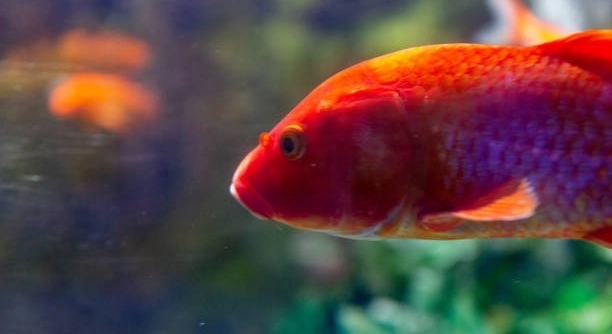
Many aquarium enthusiasts observe their cichlids closely to understand their behavior. Recognizing signs of dominance in these fish can improve tank harmony and help manage interactions. This guide introduces clear ways to identify dominant behavior in cichlids.
Dominance in cichlid behavior is displayed through territorial guarding, aggressive posturing, chasing, and controlling access to food or shelter. These behaviors establish social hierarchy, where dominant fish assert control to maintain status within the group.
Learning to recognize these signs will help you maintain a balanced aquarium environment and ensure healthier interactions among your cichlids.
Common Signs of Dominance in Cichlids
Dominance in cichlids is often shown through specific behaviors that indicate control over territory and resources. You may notice a dominant fish actively defending its space by chasing others away or flaring its fins to appear larger. These fish often stay near important areas, such as hiding spots or feeding zones. Aggressive posturing, like gill flaring and body shaking, is a clear signal of dominance. Dominant cichlids may also build or maintain nests, showing their control over the environment. It is important to observe these behaviors carefully, as excessive aggression can stress other fish. Recognizing these signs early can help you manage tank dynamics and reduce conflicts. Maintaining proper tank size and providing enough hiding spaces can also prevent dominance-related stress. Watching how your cichlids interact will give you clues about the social hierarchy in your aquarium.
Controlling territory and food access are key ways cichlids show dominance.
Dominant fish establish a clear social order by controlling access to resources and space. This behavior helps keep weaker fish in lower ranks and reduces overall fighting. However, it can cause stress if space is limited. Providing enough room and visual barriers helps balance dominance and prevents injuries. Understanding these behaviors allows better tank management and healthier fish interactions.
How Tank Setup Influences Dominance
Tank size and decoration strongly impact dominance behavior in cichlids.
The environment plays a crucial role in shaping how dominance is expressed. A small or overcrowded tank limits space, causing dominant fish to become more aggressive as they compete for territory. In contrast, a larger tank with plenty of hiding places lets subordinate fish escape and reduces tension. Rocks, plants, and caves provide visual barriers that break sight lines, lowering aggressive encounters. Proper filtration and water quality also support calmer behavior. Adjusting tank layout to suit the species’ natural habitat helps reduce stress and encourages natural social structures. By creating an environment that mimics their needs, dominance conflicts become less frequent, and overall health improves. Taking the time to arrange the tank properly can lead to a more peaceful and balanced community of cichlids.
Dominance and Feeding Behavior
Dominant cichlids often eat first and may block others from food. They show more aggressive behavior around feeding times, asserting control over resources.
During feeding, dominant fish push subordinate ones aside or chase them away to secure the best food. This behavior ensures they get enough nutrition to maintain their status. Subordinate fish may wait for scraps or eat only after the dominant fish finish. Feeding aggression is common in crowded tanks or when food is limited. Offering multiple feeding spots and scattering food can help reduce competition. Watching how your cichlids behave during feeding helps identify which fish are dominant and which are submissive.
Feeding behavior is a strong indicator of dominance, as it reflects control over valuable resources in the tank.
Managing feeding routines to minimize aggression promotes a healthier environment and reduces stress on less dominant fish.
Body Language and Color Changes
Dominant cichlids often display brighter colors and erect fins as a sign of confidence and control. Submissive fish usually show duller colors and hide their fins.
Color intensity is a clear visual cue of a fish’s social rank. Dominant fish enhance their colors to appear more intimidating to others. This helps reinforce their position without constant fighting. Submissive fish may lose color or show stress marks, signaling their lower status. Changes in posture, such as flared gills and raised dorsal fins, also indicate dominance. These visual signs help fish communicate and avoid unnecessary conflict. Understanding these cues helps you recognize shifts in tank hierarchy and respond by adjusting tank conditions or separating aggressive individuals if needed. Observing these subtle changes can improve how you care for your cichlids and maintain peace in your aquarium.
Aggression Levels and Territory
Dominant cichlids show higher aggression, especially around their chosen territory. They defend this area fiercely from other fish.
Aggression can vary by species and tank conditions. Some cichlids are naturally more territorial, while others may be calmer. Monitoring aggression helps prevent injury.
Submissive Behavior in Cichlids
Submissive cichlids avoid conflict by hiding, changing color, or retreating when faced with dominant fish. They often stay near the bottom or behind decorations to stay safe.
How to Manage Dominance in a Community Tank
Controlling dominance starts with proper tank size and layout. Providing plenty of hiding spots and visual barriers helps reduce aggressive encounters. Regular monitoring of fish behavior allows early intervention if one fish becomes overly aggressive. Feeding multiple spots also limits competition. If aggression becomes harmful, separating fish may be necessary to protect less dominant individuals. Balancing species and avoiding overcrowding are important to maintain peace. A well-managed tank promotes healthy social interactions and reduces stress for all cichlids.
Signs of Stress in Subordinate Fish
Stress in submissive cichlids shows as faded color, loss of appetite, and hiding excessively. It indicates an unhealthy social balance in the tank.
How can I tell if a cichlid is truly dominant or just aggressive?
Dominance in cichlids is about control over territory, food, and social rank, while aggression can be occasional or defensive. A truly dominant cichlid consistently shows behaviors like chasing others away, guarding spaces, and maintaining brighter colors. Aggression may appear suddenly due to stress or competition but is not sustained. Watching long-term patterns helps differentiate between the two. Dominant fish assert control calmly and regularly, while aggressive fish may lash out unpredictably. Knowing this difference helps in managing the tank better.
What tank size is best to reduce dominance problems?
Larger tanks reduce conflicts by giving cichlids more space to establish separate territories. A minimum of 55 gallons is recommended for most species kept in groups. Bigger tanks with plenty of hiding spots help subordinate fish escape and avoid constant confrontation. Overcrowding increases stress and aggression, making dominance issues worse. Adjust tank size based on the species’ adult size and behavior. Proper space improves social balance and fish health.
Can adding more hiding places reduce dominance fights?
Yes, adding rocks, caves, and plants creates visual barriers and refuge areas. These break sight lines between fish, preventing constant staring and aggression. Hiding spots allow less dominant fish to retreat safely, reducing stress and injury. Decorating the tank to mimic natural habitats also encourages natural behavior and lowers dominance tension. Changing the layout occasionally can disrupt established territories and calm aggressive patterns.
Is it normal for dominant cichlids to bully others during feeding?
Yes, dominant cichlids often eat first and chase others away during feeding. This behavior is natural as they compete for limited resources. To reduce feeding aggression, offer multiple feeding spots or scatter food throughout the tank. Feeding smaller portions more frequently also helps. This prevents one fish from monopolizing food and ensures all fish get enough nutrition. Managing feeding routines is key to minimizing conflict.
How do color changes relate to dominance?
Brighter, more vibrant colors often indicate dominance and good health in cichlids. Dominant fish display intense colors to signal strength and intimidate others. Subordinate fish may become dull or pale as a sign of stress or submission. Color shifts can also show mood or breeding readiness. Observing these changes helps you monitor social hierarchy and fish well-being. Sudden loss of color may indicate illness or severe stress, needing attention.
When should I separate a dominant cichlid?
Separation is necessary if a dominant fish causes injury, extreme stress, or prevents other fish from eating. If aggression leads to damaged fins, wounds, or hiding fish losing weight, intervention is needed. Temporary isolation or moving the dominant fish to a separate tank can restore peace. After some time, reintroducing fish with adjusted tank layout may work. Always act early to prevent serious harm and maintain a balanced aquarium.
Can I train my cichlids to reduce aggressive dominance?
Training cichlids to reduce aggression is limited but consistent feeding routines and tank environment adjustments can help. Providing enough space and hiding spots allows fish to settle into their roles with less fighting. Avoid sudden changes or overcrowding, which increase stress and aggression. Some keepers use rearranging decorations to break territories and calm dominant fish. While you can’t completely stop dominance, good management reduces its negative effects.
Do all cichlid species show dominance the same way?
No, dominance behaviors vary by species. Some cichlids are naturally more territorial and aggressive, while others are more social or peaceful. For example, African cichlids tend to be more dominant and colorful, whereas some South American species show milder dominance. Knowing your species’ typical behavior helps set expectations and tank design. Researching specific species traits is important for managing dominance effectively.
How can I tell if a subordinate fish is stressed?
Signs of stress include faded or dull colors, loss of appetite, hiding more than usual, and sluggish behavior. Stressed fish may also show rapid breathing or damage to fins from bullying. Stress lowers immunity and increases disease risk. Regular observation helps catch these signs early. Improving tank conditions, reducing aggression, and providing refuge spots support stressed fish. Addressing stress promptly helps maintain a healthier tank environment.
What role does breeding behavior play in dominance?
During breeding, dominant cichlids often become more aggressive to protect their nests and mates. They may guard a territory fiercely and chase away others, even previously peaceful fish. This temporary increase in dominance is natural and usually lessens after breeding ends. Providing ample space and hiding places during breeding reduces stress on the whole tank. Understanding breeding-related dominance helps prepare for temporary changes in behavior.
Are there signs that dominance hierarchy is stable?
A stable hierarchy shows consistent roles without constant fighting. Dominant fish hold their territory calmly, and subordinate fish avoid conflict by retreating. Aggressive encounters become brief and rare. Color patterns remain steady, and fish maintain good health. When hierarchy is stable, stress and injury rates are low. Regular monitoring of behavior helps confirm stability. Adjustments to tank layout or population may be needed if dominance becomes disruptive.
Can diet affect dominance behavior?
Poor diet can increase aggression because fish compete more for limited nutrition. Well-fed cichlids are less likely to fight over food and maintain better health and coloration. Feeding high-quality, balanced food in adequate amounts supports calm social interactions. Supplementing with live or frozen food may reduce stress and aggression. Consistent feeding schedules also help reduce competition. Proper nutrition is a simple way to improve tank harmony and manage dominance.
Understanding dominance in cichlid behavior is important for anyone keeping these fish in an aquarium. Dominance affects how cichlids interact with each other, and it can influence the overall health and peace of the tank. Recognizing signs such as territorial guarding, chasing, color changes, and feeding order helps to identify which fish are dominant and which are submissive. This knowledge allows you to manage your tank more effectively and create a better environment for all the fish. Observing your cichlids regularly will give you clear clues about their social structure.
Proper tank setup plays a key role in managing dominance and reducing aggression. A larger tank with plenty of hiding spots helps subordinate fish avoid constant stress and fighting. Rocks, plants, and caves serve as safe spaces and break visual contact between fish. This reduces tension and allows fish to establish their own areas. Feeding habits also influence dominance. Providing multiple feeding points and spreading out food reduces competition and prevents dominant fish from bullying others. Small changes in the environment and feeding routines can make a big difference in maintaining peace.
It is important to respond quickly if dominance leads to harm or stress. Signs such as faded color, loss of appetite, or damaged fins in subordinate fish show that intervention is needed. Adjusting tank layout, increasing space, or separating aggressive fish are common ways to protect the group. While dominance is natural in cichlids, balancing their environment helps keep aggression in check. By understanding these behaviors and managing your tank carefully, you can support a healthier, more peaceful aquarium for your cichlids.

Hello,
If you enjoy the content that we create, please consider saying a "Thank You!" by leaving a tip.
Every little bit helps us continue crafting quality advice that supports the health, happiness, and well-being of pets around the world, for pets of all shapes, sizes, and species.
We really appreciate the kindness and support that you show us!