
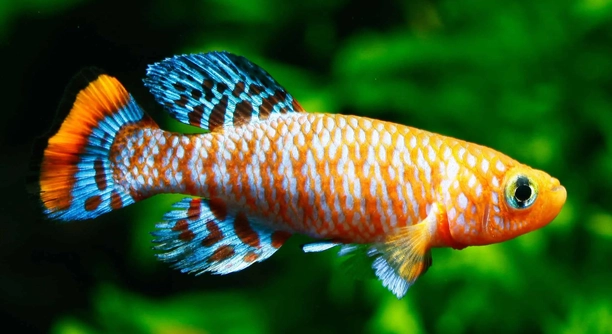
Killi fish are popular for their bright colors and lively behavior in home aquariums. Sometimes, these fish may seem less active, leaving owners unsure if they are simply resting or if something is wrong. Recognizing the difference is important for their care.
Distinguishing between a sick and a lazy killi requires observing specific signs such as changes in appetite, abnormal swimming patterns, discoloration, and lethargy that persists beyond normal resting behavior. Proper diagnosis ensures timely and effective treatment.
Knowing how to identify these signs will help you support your killi’s health and well-being. This guide will clarify key differences and what actions to take next.
Common Signs of a Sick Killi
When your killi is sick, you may notice it behaves differently than usual. It might swim erratically or stay at the bottom of the tank for long periods. Its color can fade or appear dull, and fins may look clamped or torn. Loss of appetite is a clear warning sign. Sometimes the fish may gasp at the water surface, which can indicate poor water quality or respiratory issues. These symptoms often develop gradually, so observing your killi regularly helps catch problems early. Stress from sudden changes in water temperature or tank conditions can also weaken their immune system. When sickness sets in, prompt action is necessary to prevent worsening conditions.
Tracking these symptoms daily allows you to react quickly and improve your fish’s chance of recovery. Early treatment is crucial.
Preventing illness involves maintaining clean water, stable temperatures, and a balanced diet. Regular tank maintenance and monitoring water parameters reduce stress and keep your killi healthy over time.
How Lazy Behavior Differs
Lazy behavior in killi usually means the fish is resting or conserving energy. Unlike sickness, lazy killis swim slowly but maintain normal color and respond to feeding times. They may stay still occasionally but won’t show signs of distress like clamped fins or rapid breathing. Lazy fish often rest near plants or decorations, especially after feeding or during cooler parts of the day. This behavior is normal and reflects their natural rhythm.
Recognizing lazy behavior helps avoid unnecessary worry and stress for both you and your fish.
Fish can appear lazy after long periods of activity or when adjusting to new environments. Ensuring your killi has plenty of hiding spots and a calm tank atmosphere supports healthy resting patterns. Avoid overfeeding, as excess food can cause lethargy and tank pollution. Providing a consistent routine helps your fish stay comfortable. If lethargy persists alongside physical symptoms, a health check is necessary. Observing behavior over time is key to understanding whether your killi is truly sick or just taking a break.
Monitoring Feeding Habits
Changes in feeding habits are a clear indicator of your killi’s health. A sick fish often refuses food or eats less than usual. In contrast, a lazy fish may eat normally but seem less active afterward. Monitoring how your killi eats helps spot problems early.
If your killi stops eating completely or spits food out, it likely signals illness. Appetite loss can result from infections, parasites, or poor water quality. Offering a variety of fresh foods may encourage eating, but if the problem continues, consider consulting a vet or experienced aquarist. Sometimes sickness also causes digestive issues, leading to bloating or unusual feces.
On the other hand, lazy killis may eat on schedule but then rest quietly. This behavior is normal if no other symptoms appear. Maintaining a regular feeding routine and watching for sudden changes supports your fish’s health and helps differentiate between laziness and illness.
Water Quality and Its Effects
Poor water quality is one of the main reasons killis become sick. Ammonia, nitrite, and nitrate levels should be tested regularly to keep the tank safe. Clean water supports strong immune systems and prevents stress-related illnesses.
Changing water often and avoiding overcrowding help maintain good conditions. Temperature fluctuations or incorrect pH levels can also weaken your fish. Killis prefer stable environments with temperatures between 72°F and 78°F and slightly acidic to neutral pH. Using a reliable test kit gives you control over these factors.
If water parameters are off, sick fish may show signs like gasping, clamped fins, or lethargy. Lazy fish generally remain unaffected by minor water changes but should never experience poor conditions. Keeping your tank clean and stable is the best defense against sickness and ensures your killi thrives.
Physical Appearance Changes
Sick killis often show visible changes in their bodies. Faded colors, torn fins, or white spots are common signs. These symptoms usually indicate infection or parasites.
Lazy killis keep their vibrant colors and smooth fins. Their appearance remains consistent even when resting or inactive for a while.
Behavior Patterns to Watch
Sudden changes in activity levels can signal health issues. Sick killis may isolate themselves or swim awkwardly. They might also hide more than usual. In contrast, lazy killis rest but still respond quickly to stimuli and feeding.
Observing these subtle differences helps you identify problems before they worsen. Keeping a close eye on behavior ensures timely care and a healthier tank environment.
Tank Environment Adjustments
Adjusting tank conditions can improve a sick killi’s health quickly. Small water changes and reducing light intensity help reduce stress. Keeping the tank quiet and avoiding sudden movements supports recovery.
FAQ
How can I tell if my killi is sick or just tired?
A sick killi often shows signs like loss of appetite, faded colors, clamped fins, or unusual swimming patterns. A tired or lazy killi will rest occasionally but maintain normal color and eat regularly. Watching behavior over several days helps distinguish between the two.
What should I do if my killi stops eating?
Loss of appetite is a common sign of illness. Check water quality first, as poor conditions stress fish. Try offering varied foods like live or frozen options. If your killi continues to refuse food for more than two days, consider isolating it and consulting an expert.
Can water temperature affect my killi’s activity?
Yes. Killis thrive in temperatures between 72°F and 78°F. Temperatures outside this range can cause lethargy or stress, making fish appear sick. Use a reliable heater and thermometer to keep conditions stable.
Why does my killi stay at the bottom of the tank?
If your killi rests at the bottom but still responds to stimuli, it may just be relaxing. However, if it stays there motionless, shows difficulty swimming, or breathes heavily, this can indicate illness or poor water quality.
How often should I test my tank water?
Testing water weekly is a good practice. Regular checks for ammonia, nitrite, nitrate, and pH help catch problems early. Consistent maintenance reduces the risk of illness.
Can tank mates cause stress to my killi?
Yes. Aggressive or overly active fish can stress killis, leading to sickness or hiding behavior. Choose peaceful tank mates and provide enough hiding spots to reduce stress.
What are common diseases in killis?
Killis can suffer from fungal infections, bacterial diseases, and parasites like ich. Symptoms include white spots, fin rot, and unusual swimming. Early detection and treatment improve recovery chances.
Is quarantine necessary for a sick killi?
Quarantining a sick fish helps prevent spreading disease. Use a separate tank with clean water and proper filtration. Monitor the fish closely and treat according to the condition.
How do I improve my killi’s environment for better health?
Keep the tank clean with regular water changes and avoid overcrowding. Provide plants and hiding places for comfort. Stable temperature and pH levels reduce stress, supporting a healthy immune system.
When should I seek professional help for my killi?
If symptoms like loss of appetite, discoloration, or abnormal swimming persist beyond a few days despite good care, consult a vet or experienced aquarist. Prompt advice can prevent serious illness.
Can poor diet cause lethargy in killis?
Yes. A diet lacking in nutrients weakens killis and reduces their energy. Feed a balanced diet with variety, including live, frozen, and high-quality flakes or pellets.
How can I encourage a sick killi to eat?
Try warming the food slightly or offering live food like brine shrimp to stimulate appetite. Feeding small amounts multiple times a day can also help. Avoid overfeeding to maintain water quality.
What role does lighting play in killi health?
Proper lighting supports natural behavior and stress reduction. Too much bright light can cause hiding and stress, while too little may affect activity. Use a timer to simulate natural day-night cycles.
Can stress cause a killi to appear sick?
Stress weakens the immune system and can cause symptoms similar to illness. Sources include sudden water changes, aggressive tank mates, or poor tank setup. Minimizing stress improves overall health.
How long does it take for a sick killi to recover?
Recovery time varies depending on illness and treatment. Mild issues may improve in days, while serious infections take weeks. Consistent care and clean conditions speed recovery.
Final Thoughts
Caring for a killi fish means paying close attention to its behavior and environment. Understanding the difference between a sick fish and a lazy one is key to providing the right care. While killis naturally rest and conserve energy, certain signs like loss of appetite, faded color, or unusual swimming patterns point to health problems. Observing these signs carefully helps catch issues early before they become severe. This early awareness can make a big difference in your fish’s recovery and overall well-being.
Maintaining good tank conditions is just as important as watching your fish’s behavior. Regular water changes, stable temperature, and clean surroundings create a safe space for your killi to thrive. Stress from poor water quality or aggressive tank mates can weaken their immune system, making them more likely to get sick. By keeping the tank clean and calm, you reduce the risk of illness and support your fish’s natural habits. A healthy environment encourages normal activity levels and bright coloration, which are signs of a happy fish.
Lastly, knowing when to act is essential. If you notice clear signs of illness, such as persistent lethargy, loss of appetite, or physical changes, take steps quickly. Isolate the sick fish if possible and consult a vet or experienced aquarist for advice on treatment. Even with the best care, some illnesses require professional attention to resolve. Being proactive and informed helps ensure your killi stays healthy and active for a long time. Paying close attention and providing consistent care creates a positive experience for both you and your fish.

Hello,
If you enjoy the content that we create, please consider saying a "Thank You!" by leaving a tip.
Every little bit helps us continue crafting quality advice that supports the health, happiness, and well-being of pets around the world, for pets of all shapes, sizes, and species.
We really appreciate the kindness and support that you show us!