
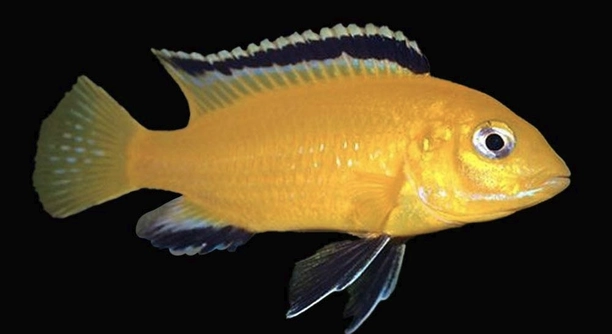
Cichlids are popular aquarium fish known for their bright colors and active behavior. Caring for them includes recognizing signs of illness or distress. Knowing when a cichlid is nearing death can help owners respond appropriately and provide comfort.
Signs that a cichlid is nearing death include lethargy, loss of appetite, rapid or labored breathing, faded coloration, and abnormal swimming patterns. Physical changes such as clamped fins, sores, or swelling also indicate severe health decline.
Understanding these signs allows for timely intervention or humane decisions, ensuring the fish’s welfare during its final days in your care.
Common Physical Signs of Decline in Cichlids
When a cichlid is nearing death, its body often shows clear physical signs. The fish may develop faded or dull colors, losing the vibrant hues that usually define its appearance. You might notice clamped fins, where the fins stay close to the body instead of spreading out naturally. Swelling or bloating around the abdomen is another sign, as well as sores, ulcers, or white patches appearing on the skin. The eyes may look cloudy or sunken, and the scales might lift or fall off. These symptoms usually indicate serious illness or organ failure. Observing these changes closely can help you decide if the fish needs immediate care or if it is too late to intervene.
Physical signs often appear alongside changes in behavior, making them easier to identify when observed together.
Watching for these physical symptoms is essential. Early detection can sometimes improve the fish’s chances, but when these signs are severe, it usually means the end is near.
Behavioral Changes to Watch For
Cichlids that are close to death show noticeable behavioral shifts.
They may become very lethargic, spending most of their time resting at the bottom of the tank or hiding. Appetite loss is common, with the fish refusing food completely. Breathing may become rapid or labored, with gill movements more intense than usual. Abnormal swimming patterns such as erratic movement, floating on one side, or sinking without control often occur. The fish may also avoid other tank mates or lose interest in their surroundings. These changes usually happen gradually and are clear signals that the fish’s health is failing.
Behavioral changes often reflect the severity of the fish’s condition. If a cichlid stops eating and becomes inactive, it is a serious warning sign. Observing these patterns helps in recognizing when the fish is nearing death and requires care or preparation for loss. It also allows you to make decisions about water quality or treatment options to ensure the fish’s comfort during its final days.
How to Provide Comfort for a Dying Cichlid
Reducing stress is crucial for a cichlid nearing death. Keep the tank environment calm and stable by avoiding loud noises or sudden movements. Maintain clean water and proper temperature to ease discomfort.
Gently removing aggressive tank mates can prevent additional stress or injury. Offer small amounts of easily digestible food if the fish shows interest, but do not force feeding. Soft lighting helps reduce agitation. Monitor water parameters closely and perform partial water changes if needed, ensuring the new water matches the tank conditions. This creates a more comfortable environment that may ease the fish’s final days.
Providing comfort also means observing without interfering too much. Sometimes, simply maintaining a peaceful space is the best support you can offer.
When to Consider Euthanasia
Deciding on euthanasia is difficult but sometimes necessary to prevent suffering. If the fish is unresponsive to treatment, shows severe physical damage, or suffers prolonged distress, euthanasia may be the most humane option.
Consult with a veterinarian or an experienced aquarist before proceeding. Methods such as clove oil anesthesia followed by humane euthanasia are commonly recommended. Quick and painless procedures minimize suffering and provide a respectful end. Preparing for this decision helps ensure the fish’s welfare remains a priority, even in its final moments.
Choosing euthanasia is about compassion and reducing unnecessary pain when recovery is no longer possible.
Signs of Imminent Death
When death is very close, a cichlid may stop moving almost entirely. The fish might float near the surface or lie at the bottom without responding to stimuli. Breathing becomes shallow and irregular.
These final signs indicate that the fish is losing all strength and may pass away soon.
Preparing for Loss
It helps to prepare mentally and physically for your cichlid’s passing. Create a quiet environment and avoid disturbing the tank. Have supplies ready for cleaning and disposal to handle the situation calmly.
Cleaning After Loss
Remove the deceased fish promptly to prevent water contamination. Clean the tank carefully, checking water quality before adding new fish. This helps maintain a healthy environment and reduces the risk of disease spread.
FAQ
How long does it take for a cichlid to die once signs of decline appear?
The time varies depending on the cause and severity of illness. Some cichlids may survive for days or weeks after showing signs, while others deteriorate quickly within hours. Factors like water quality, disease type, and care affect this timeline.
Can I save a cichlid that is showing severe symptoms?
It depends on the cause and how early treatment starts. Some illnesses respond well to medication or improved tank conditions. However, if the fish is already weak, lethargic, or has severe physical damage, chances of recovery are low.
What are the best water parameters to keep a dying cichlid comfortable?
Stable, clean water with proper temperature and pH is crucial. For most cichlids, temperatures around 75-82°F (24-28°C) and neutral to slightly alkaline pH (6.5-8.0) are ideal. Avoid sudden changes and keep ammonia and nitrites at zero.
Should I remove other fish from the tank when one is dying?
If other fish are aggressive or stressful to the sick cichlid, removing them can help. Otherwise, maintaining the usual community may reduce stress caused by sudden changes. Monitor interactions closely and adjust as needed.
Is it necessary to feed a cichlid that is near death?
If the fish shows no interest in food, forcing it can cause more stress. Offer small amounts of easily digestible food occasionally, but do not insist. Focus on maintaining good water quality and comfort instead.
How do I know when euthanasia is the right choice?
When the fish suffers prolonged distress, is unresponsive to treatment, or has severe injuries, euthanasia may be the kindest option. Consulting a vet or experienced aquarist can help you make an informed decision.
What is the safest way to euthanize a cichlid?
Clove oil anesthesia followed by humane euthanasia is widely recommended. It is painless and quick. Avoid methods that cause unnecessary pain or distress. Proper research and guidance ensure the process is respectful.
Can I prevent my cichlid from dying by changing tank conditions?
Improving water quality, maintaining stable temperature, and removing stressors can help. Prevention is better than cure, so regular tank maintenance and disease monitoring are essential for long-term health.
How often should I monitor a sick cichlid?
Daily observation is important to catch changes early. Look for shifts in behavior, appetite, breathing, and appearance. Frequent checks allow timely action and better care.
What should I do after my cichlid dies?
Remove the fish quickly to avoid water contamination. Clean the tank carefully, test water quality, and prepare for a new fish if desired. Proper cleaning reduces risks of disease for other tank inhabitants.
Can a dying cichlid infect other fish?
Yes, some diseases are contagious. Isolate the sick fish when possible and disinfect equipment regularly. Keeping the tank clean helps prevent disease spread.
Is it normal for a cichlid to lose color when it is sick or dying?
Yes, fading colors often signal stress or illness. Loss of vibrancy is a common sign that the fish’s health is deteriorating.
How do I support my cichlid emotionally as it nears death?
While fish do not experience emotions like humans, minimizing stress through a calm environment and gentle care can improve their comfort. Avoid loud noises and sudden changes around the tank.
Can I use medication to help a dying cichlid?
Medications may help treat infections or parasites if started early. However, late-stage illness often cannot be reversed. Use medications carefully, following instructions and advice from experts.
What are common diseases that cause cichlids to near death?
Bacterial infections, parasites, fungal infections, and poor water conditions often lead to severe illness. Identifying the disease early can improve treatment success.
How can I improve tank conditions to avoid cichlid deaths?
Regular water changes, proper filtration, balanced feeding, and stable temperature are key. Quarantining new fish helps prevent introducing diseases. Maintaining a clean, stress-free environment supports fish health.
Understanding when a cichlid is nearing death is important for anyone who cares for these fish. Recognizing the physical signs, like faded colors or clamped fins, and behavioral changes, such as lethargy or loss of appetite, allows you to provide the best care possible during their final days. These signs often indicate serious health issues that may not be reversible. Being aware of them helps prepare for what is ahead and ensures that the fish is as comfortable as possible.
Providing comfort to a dying cichlid means creating a calm and stable environment. Keeping the water clean, maintaining the right temperature, and minimizing stress from other fish or sudden movements are key steps. Offering small amounts of food only if the fish is interested can also help, but forcing it is not recommended. Sometimes, the best care is simply to observe gently and avoid causing additional stress. If the fish’s suffering is prolonged or severe, considering humane euthanasia with proper methods can be the kindest option.
Losing a pet fish can be difficult, but preparing for the end and knowing how to respond helps in handling the situation with care. After the fish passes, cleaning the tank promptly and maintaining good water quality protects the health of remaining or future fish. Regular tank maintenance and monitoring for illness are the best ways to prevent future losses. Understanding these aspects improves your ability to care for cichlids throughout their lives and ensures their well-being from the start to the end.

Hello,
If you enjoy the content that we create, please consider saying a "Thank You!" by leaving a tip.
Every little bit helps us continue crafting quality advice that supports the health, happiness, and well-being of pets around the world, for pets of all shapes, sizes, and species.
We really appreciate the kindness and support that you show us!