
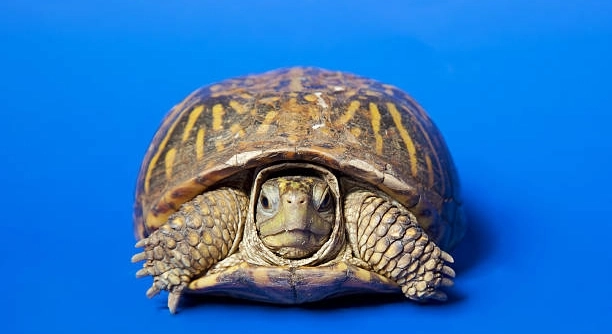
A box turtle female requires specific care after laying eggs to ensure her health and well-being. Understanding her needs is key to providing the right support during this crucial time.
After laying eggs, the female box turtle needs a quiet, safe environment, ample hydration, and adequate food to regain strength. Offering her a stress-free habitat and ensuring she has access to calcium and nutrients aids in her recovery.
Supporting her after egg-laying will make a positive difference in her recovery and well-being, allowing her to thrive.
Providing a Quiet, Stress-Free Environment
After a female box turtle lays her eggs, she will benefit from a calm, undisturbed space. Too much noise or activity can lead to stress, which may delay recovery. It’s essential to place her in a quiet, dimly lit area where she feels safe. Avoid handling her unless necessary and minimize external distractions. Keeping her enclosure clean and spacious will help her feel comfortable while resting. A proper environment also encourages her to focus on rehydration and nourishment, allowing her to heal more efficiently. Additionally, ensuring the habitat is free from other animals or potential threats will provide peace of mind. Creating this type of environment helps the turtle recover quickly and without complications.
A quiet space allows the female box turtle to recover without stress. This simple step can significantly support her well-being during this time.
In her post-laying period, the turtle may become more reclusive, staying in one spot for extended periods. Offering her a space that resembles her natural habitat is key to helping her regain strength. Add soft bedding such as moss or leaves, which provides comfort and warmth. Maintain the right humidity and temperature, as this is crucial for her recovery. Make sure she has access to water at all times, as dehydration can be a concern. If possible, introduce shallow pools for her to soak in. This helps her stay hydrated and eases her discomfort after laying. The right conditions will support the turtle’s physical health and overall well-being, allowing her to rest and recover without complications.
Ensuring Proper Nutrition and Hydration
Proper nutrition and hydration are critical for the female box turtle’s recovery. After laying eggs, she will need increased levels of vitamins, minerals, and calcium to replenish her body. Provide a balanced diet consisting of leafy greens, fruits, and insects. Adding calcium-rich foods like kale or dandelion greens can help restore lost nutrients. A source of calcium should also be available in her enclosure at all times, such as a calcium block or crushed eggshells. Dehydration can be a significant issue for box turtles, so always ensure she has access to fresh, clean water. Offering food high in water content, such as watermelon or cucumber, is a helpful way to encourage her to hydrate. Proper hydration ensures her body can recover efficiently and reduces the risk of complications after laying eggs.
By maintaining a balanced diet and hydration, you can support your box turtle’s recovery and long-term health. These steps are simple yet essential.
Incorporating regular meals and hydration into her routine is vital for restoring her energy and health. Provide her with a mix of high-quality greens, such as collard or mustard greens, and protein-rich foods like earthworms or crickets. This will aid in building her strength back up after the exhausting process of egg-laying. Supplementing with calcium ensures the turtle has the necessary building blocks for shell and bone health. Avoid feeding her excessively or offering overly rich foods, which may upset her digestive system. Monitoring her eating habits can give you insight into her recovery. If she is not eating or drinking enough, consult a veterinarian to address any concerns. Providing the right food and water will help her regain her strength faster, ensuring she’s healthy and well-nourished.
Monitoring Her Health After Laying Eggs
Monitor the female box turtle closely after egg-laying. Look for signs of distress, such as refusal to eat or drink, and observe her behavior. It’s important to check for any physical changes, like swelling or abnormal movements.
Signs of poor health, like unusual lethargy or swelling, could indicate complications. If these symptoms persist, contact a veterinarian who specializes in reptiles. It’s crucial to ensure that her recovery remains on track. Healthy behavior will include regular eating and drinking, and she should begin exploring again within a few days. If these signs are absent, or if the turtle remains inactive, intervention is needed. Regular health checks will give you peace of mind and help prevent potential issues from escalating.
Keep her environment as stress-free as possible. Avoid unnecessary handling, and ensure her space is quiet. She may be vulnerable to infection, so it’s important to monitor any changes in her behavior or condition. If she seems to recover quickly, that’s a good sign. However, if any health concerns persist, taking action early can prevent further complications.
Providing Proper Shelter
Proper shelter is essential for a female box turtle after egg-laying. She will need a place where she feels safe and secure to rest and recover. A suitable shelter protects her from harsh environmental conditions and allows her to heal undisturbed.
Her shelter should be dry, sheltered from extreme heat or cold, and large enough for her to move around. Using a well-ventilated enclosure with hiding spaces and gentle lighting will make her feel more at ease. The right shelter encourages her to rest and maintain a stable body temperature. A natural environment is best, but make sure it is easy to clean and free of hazards. It’s also essential to provide soft, moist bedding, which will help her recover comfortably. This will give her the space she needs without the risk of getting overheated or too cold during her recovery.
Be mindful of the shelter’s temperature and humidity levels. Box turtles need a warm, dry environment, but they should also have access to a humid area where they can soak and hydrate. Too much humidity or heat can lead to health issues, so it’s important to monitor these factors carefully. Regular cleaning of her shelter is key to maintaining her health. This allows her to heal in a space that’s free from bacteria and contaminants. Keep the shelter simple and ensure she has enough space to move around.
Handling Post-Laying Stress
Stress can affect the female box turtle’s recovery. After laying eggs, she may need time to adjust. It’s crucial to minimize interactions to reduce stress levels.
The more relaxed she is, the faster her recovery. Keep the environment calm, and avoid loud noises or unfamiliar activity. She may also retreat into her shell to rest. Providing a secure, quiet space will help her feel less stressed.
Maintaining Proper Temperature and Humidity
Maintaining the right temperature and humidity is essential. Box turtles thrive in moderate warmth, around 75 to 85°F, with a cooler area for them to retreat. Keep humidity levels between 50% and 70% for optimal health.
A temperature gradient in the habitat, with both a warm and cool area, will help the turtle regulate her body temperature. This setup ensures she has options to adjust to her comfort level. Regular monitoring of temperature and humidity helps avoid conditions that could stress or harm her. Proper care prevents health issues related to improper environmental factors.
Providing Calcium Supplements
Calcium is vital for the female box turtle’s recovery. After laying eggs, calcium helps with shell and bone health. You can provide calcium supplements through food or in powdered form.
Offering calcium-rich foods, like dandelion greens or calcium blocks, is effective for replenishing her calcium levels. This is particularly important for the recovery process.
FAQ
How long does it take for a female box turtle to recover after laying eggs?
Recovery time can vary, but typically, a female box turtle will take a few weeks to fully recover after laying her eggs. During this time, she may appear more inactive or reclusive, as she focuses on restoring her energy. If she is given proper care, a quiet environment, and enough food and water, she should regain strength within a few weeks. Monitoring her health and behavior closely is key to ensuring she recovers well.
What should I do if my turtle isn’t eating after laying eggs?
If your turtle is not eating, it could be a sign of stress or health issues. First, ensure that her environment is quiet and stress-free. Check the temperature and humidity in her enclosure, as these factors play a significant role in her well-being. Offer her food that is easy to digest, such as soft leafy greens or fruits like watermelon. If she still refuses food after a few days, consult a veterinarian to rule out any complications.
Can I handle my box turtle after she lays eggs?
It’s best to avoid handling your box turtle immediately after she lays eggs. Handling can stress her out, which may slow down her recovery. Let her have some time to rest in a calm, undisturbed environment. If necessary, handle her gently, but keep interactions minimal. Allow her to regain strength and feel secure in her environment before considering any handling.
Should I change her habitat after laying eggs?
While it is important to ensure your box turtle’s habitat is clean, you do not need to make major changes after she lays eggs. Focus on creating a quiet, safe space where she can rest and recover. Ensure the temperature and humidity are at optimal levels and offer food and water readily. If you’re providing a nesting area, be sure it’s easy for her to access but not too exposed. Avoid rearranging her habitat unless it’s necessary for her health and comfort.
How can I tell if my turtle is dehydrated?
Signs of dehydration in box turtles include a lack of appetite, sunken eyes, and dry skin. If your turtle is not drinking water or soaking as usual, dehydration could be the issue. Ensure she has access to clean, fresh water at all times and consider offering water-rich foods like cucumbers or watermelon. If dehydration continues, consult a veterinarian for guidance.
Is it normal for my box turtle to be inactive after laying eggs?
Yes, it is completely normal for a female box turtle to be inactive after laying eggs. Egg-laying is a physically demanding process, and she will need time to rest and regain her energy. If she remains inactive for several days but continues to eat, drink, and soak, it’s generally a sign that she’s recovering well. However, if she remains lethargic for an extended period or shows other signs of illness, it’s important to seek veterinary advice.
Can I let my turtle roam outside after laying eggs?
After laying eggs, it’s important to let your turtle rest and recover before considering outdoor activities. If you usually let your box turtle roam outside, wait until she has regained enough strength and is eating and drinking regularly. Outdoor excursions should be kept short, and ensure she is in a safe, controlled environment. It’s also important to monitor her health during these outings, especially if she is still recovering.
What type of food should I offer her after laying eggs?
Offer your box turtle nutritious, easily digestible foods after laying eggs. Stick to leafy greens like kale, collard greens, and dandelion greens, and supplement with fruits such as strawberries or blueberries. You can also provide high-protein foods like earthworms, crickets, or mealworms to help her recover. Don’t forget to offer a calcium source, such as crushed eggshells or a calcium block, to support her bone and shell health.
How can I help her recover if she seems stressed?
If your turtle appears stressed after laying eggs, the most important thing is to reduce stressors. Make sure her habitat is quiet, calm, and secure. Avoid excessive handling or loud noises, and keep other pets or animals away. Consider offering a soft hiding spot where she can retreat if she feels overwhelmed. If stress persists, check her environment for any potential stressors such as uncomfortable temperatures or lack of privacy.
What are the signs of egg retention or egg binding?
Egg retention, or egg binding, occurs when the female turtle is unable to lay all of her eggs. This is a serious condition that can lead to infection or death if not treated. Signs to watch for include prolonged inactivity, a swollen abdomen, and difficulty moving. If you notice these signs, it’s essential to seek immediate veterinary care. A veterinarian can help manage the condition, sometimes requiring assisted egg-laying or surgery to resolve it.
Do I need to provide a nesting area for my box turtle?
Yes, providing a nesting area for your box turtle is crucial. Female turtles need a safe place to lay their eggs. You can create a suitable nesting spot by offering soft soil or sand in her enclosure. The area should be warm, dry, and quiet to encourage her to lay eggs without stress. Once the eggs are laid, ensure the area remains undisturbed while she recuperates.
Can stress cause my box turtle to stop eating?
Yes, stress can cause your box turtle to stop eating. Factors such as an uncomfortable habitat, sudden changes in her environment, or excessive handling can lead to stress. It’s important to keep her habitat stable, quiet, and secure, with no external disturbances. If she doesn’t resume eating after a few days, check for any health concerns or consult a vet.
Final Thoughts
Caring for a female box turtle after she has laid eggs requires attention and patience. It’s important to provide her with a quiet and safe space to recover. Stress can delay her recovery, so minimizing interactions and maintaining an optimal environment is crucial. Ensure her habitat has the right temperature, humidity, and food sources, including calcium, to help her regain strength. These simple yet essential steps will help her recover and stay healthy after the physically demanding process of egg-laying.
Monitoring her behavior and health is key during this time. While a brief period of inactivity is normal, any signs of distress, such as prolonged lethargy or refusal to eat, should be addressed. Make sure she has access to fresh water and easy-to-digest food. If she appears stressed, consider adjusting her environment to create a more comfortable space. If her behavior does not improve or if you notice any concerning symptoms, seeking veterinary help is always a good idea to ensure her well-being.
In the end, caring for a box turtle after egg-laying is about creating the best possible conditions for her recovery. Giving her the time and space she needs to rest will allow her to regain her strength and health. By providing proper care, such as a clean environment, nutritious food, and a stress-free habitat, you’ll ensure that your turtle has the best chance of a full recovery and a healthy life moving forward. With patience and attention, she will be able to get back to her normal, active self in no time.

Hello,
If you enjoy the content that we create, please consider saying a "Thank You!" by leaving a tip.
Every little bit helps us continue crafting quality advice that supports the health, happiness, and well-being of pets around the world, for pets of all shapes, sizes, and species.
We really appreciate the kindness and support that you show us!