
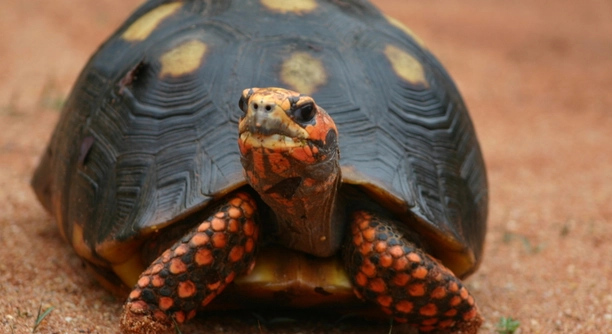
Your red-footed tortoise may try to escape its enclosure, but understanding the reasons behind this behavior can help you keep it safe. Identifying the triggers can lead to effective solutions to prevent further escapes.
Tortoises often attempt to escape due to stress, boredom, or insufficient space. Ensuring a large, enriched habitat and addressing environmental factors can reduce escape behaviors. A secure and stimulating environment supports your tortoise’s well-being and prevents attempts to flee.
Creating a secure habitat for your tortoise is essential for its safety. Understanding its needs and environment is the key to preventing escapes.
Understanding Why Your Red-Footed Tortoise Wants to Escape
A common reason for escape attempts is inadequate space. Red-footed tortoises are naturally active and need room to roam. If their enclosure is too small, they may feel confined and try to escape. Another reason is boredom. Tortoises need stimulation to stay mentally engaged. Without enough environmental enrichment, such as hiding spots or different textures, they may become restless. It’s also important to consider the temperature. These tortoises are used to warm climates, so if the temperature drops too low in their enclosure, they might look for a more comfortable environment. Ensuring their habitat meets their basic needs can reduce their desire to escape.
Even a small change in the habitat can have a significant impact on your tortoise’s behavior. Providing extra space and varied environments within the enclosure will keep them more content.
A proper enclosure should be spacious and secure. You can include various natural elements such as rocks, logs, and plants. These create hiding spots and encourage exploration, helping to satisfy their need for stimulation. By replicating their natural habitat, you make the enclosure a place they enjoy rather than a cage to escape from.
How to Secure Your Tortoise’s Habitat
It’s essential to ensure that your tortoise’s enclosure is secure to prevent escape attempts.
Using a secure lid or fencing with tight gaps can prevent your tortoise from slipping through or climbing out. Adding a lock to the door can also provide extra security.
Ensure that the walls are tall enough to prevent climbing. Red-footed tortoises are skilled climbers and can escape through surprisingly small openings. If the enclosure is outdoors, a buried barrier will prevent them from digging their way out. Check regularly for weak spots or gaps. Adding a second layer of protection, such as a thick wire mesh, can be helpful if you’re unsure of the security. Making the enclosure as escape-proof as possible gives your tortoise a safe and comfortable place to live.
Provide Environmental Enrichment
Tortoises need mental stimulation to stay content. Without enrichment, they may try to escape.
Providing a variety of textures in their habitat can keep your tortoise engaged. Rocks, logs, and plants offer opportunities to climb, explore, and hide. Tortoises also enjoy digging, so a sandy area or soil can be a good addition. By mimicking their natural environment, you can create a space that encourages them to stay inside. It’s essential to regularly rotate objects and introduce new items to maintain their interest. You can also create a feeding area with different food options to stimulate their curiosity.
Hiding spots are particularly effective in providing enrichment. Tortoises like having a place to retreat, which helps reduce stress and boredom. Incorporating shallow water dishes for soaking can also be an enjoyable experience. Ensure that their surroundings are safe, free of sharp objects or chemicals, and check regularly for any hazards. These small changes will go a long way in preventing unwanted escape behavior.
Keep Temperature and Lighting in Check
Temperature plays a significant role in a tortoise’s comfort.
Red-footed tortoises require a warm environment, ideally between 75 to 85°F during the day and slightly cooler at night. A heat lamp or ceramic heater can help maintain the proper temperature in their enclosure. It’s essential to provide a basking spot where they can soak up warmth. Without adequate heat, tortoises may try to escape in search of a warmer space. Along with proper temperature, lighting is equally important. UVB light is necessary for calcium absorption and overall health. Using a UVB bulb for about 12-14 hours a day will help keep your tortoise’s bones and shell healthy.
Monitor the temperature regularly using a thermometer to ensure it remains consistent. An unstable environment can stress your tortoise, causing it to become restless and look for a way out. The correct temperature and lighting will provide your tortoise with a comfortable and safe space to thrive.
Ensure Proper Diet
A healthy diet can help prevent restless behavior in your tortoise.
Feeding your red-footed tortoise a balanced diet of leafy greens, fruits, and vegetables can keep it happy and healthy. A proper diet promotes overall well-being, which can reduce the desire to escape.
Make sure you provide fresh food daily. Avoid feeding too many fruits, as this can cause digestive issues. Offering a variety of vegetables and occasional protein sources, like insects, will keep your tortoise engaged. A proper diet supports its immune system, reduces stress, and helps your tortoise feel more comfortable in its environment.
Check for Stress
Stress can lead to escape attempts.
Factors like loud noises, overcrowded spaces, or handling too much can stress your tortoise. Red-footed tortoises prefer calm environments with minimal disruption. Monitor their behavior for signs of stress, such as rapid movements or hiding.
Ensure their space is peaceful and quiet. If you have other pets or children, limit interactions to avoid unnecessary stress. Tortoises need a stable and quiet environment to thrive. By reducing stress, you help prevent unwanted escape behavior.
Regular Habitat Maintenance
Keeping the enclosure clean is essential for your tortoise’s health.
Regular cleaning prevents the build-up of waste, bacteria, and mold. Remove uneaten food and waste daily to keep the habitat fresh. Changing the substrate every few weeks will also help maintain a healthy environment. Clean any water dishes to ensure your tortoise always has access to fresh water.
A clean and well-maintained habitat supports the overall well-being of your tortoise. A dirty enclosure can make them uncomfortable and more likely to try to escape. Keeping their environment tidy and hygienic will encourage them to stay content and reduce stress.
FAQ
Why is my red-footed tortoise trying to escape?
Red-footed tortoises may try to escape due to stress, boredom, or an inadequate environment. A small or uninteresting enclosure can cause restlessness. These tortoises need room to roam, access to hiding spots, and a habitat that mimics their natural surroundings. If the temperature is too low or the lighting is insufficient, they may seek a more comfortable place. Ensure their enclosure is secure, spacious, and offers enrichment to reduce escape attempts.
How can I make my tortoise feel more comfortable?
To make your tortoise feel more comfortable, provide a warm, spacious environment with access to a basking area. Offer a variety of textures, such as rocks and logs, and ensure there are hiding spots for security. Proper lighting, including UVB bulbs, and a balanced diet will also help create a comfortable space. Keeping the environment stable and stress-free is key to their well-being.
What kind of enclosure is best for a red-footed tortoise?
A red-footed tortoise needs a large enclosure with secure walls to prevent escape. The minimum size should be 4 feet by 4 feet for an adult, though a larger space is preferable. The enclosure should have a variety of elements such as logs, rocks, plants, and a water dish. Ensure there are both dry and humid areas for your tortoise to regulate its temperature. The enclosure should also be escape-proof, with no gaps or weaknesses that could allow your tortoise to escape.
Can I keep my red-footed tortoise outdoors?
Yes, red-footed tortoises can be kept outdoors, but the climate should be warm and stable. If you live in a cold climate, consider keeping them indoors during the winter months. Outdoor enclosures must be secure, with tall fences and buried walls to prevent digging. Make sure the tortoise has access to shaded and sunny areas, as well as a water source. Always supervise outdoor time, as they may try to escape if they feel threatened or uncomfortable.
How do I know if my tortoise is stressed?
Signs of stress in a tortoise include rapid movements, excessive hiding, loss of appetite, or abnormal behavior such as aggression. Stress can also cause your tortoise to become less active or show signs of physical discomfort. If you notice these signs, review their environment to check for potential stressors, such as loud noises, overcrowding, or temperature changes. Reducing stress by offering a calm, comfortable habitat is essential for your tortoise’s health.
How often should I feed my red-footed tortoise?
Red-footed tortoises should be fed daily with a variety of fresh leafy greens, fruits, and vegetables. Offer a mix of vegetables such as collard greens, dandelion greens, and squash. Limit the amount of fruit you provide, as it should only make up a small portion of their diet. Occasional protein, like insects, can be given but should not be the main food source. Monitor their weight and health to ensure they are getting the proper nutrients.
What temperature should my red-footed tortoise’s habitat be?
The ideal temperature for a red-footed tortoise’s enclosure is between 75 and 85°F during the day, with a slight drop at night. Provide a basking spot that reaches around 90°F. Ensure the enclosure maintains these temperatures consistently, as drastic temperature fluctuations can cause stress. You can use a heat lamp or ceramic heater to maintain the proper warmth, and a thermometer will help you monitor the conditions accurately.
Can I house multiple red-footed tortoises together?
It’s generally not recommended to house multiple red-footed tortoises together unless you have a very large enclosure. Tortoises are solitary animals and may become territorial or stressed in cramped spaces. If housed together, make sure there are enough hiding spots and plenty of room to prevent aggression. If you do choose to house more than one, monitor them closely for any signs of fighting or stress.
How can I prevent my tortoise from digging out?
Tortoises dig as a natural behavior, but it can lead to escapes if their enclosure is not secure. To prevent digging, ensure the walls of the enclosure are tall enough, and bury the edges into the ground to prevent escape. You can also add rocks or other obstacles that make digging more difficult. If your tortoise is digging excessively, consider adding more enrichment to the environment to keep them occupied.
What should I do if my tortoise escapes?
If your tortoise escapes, act quickly. Search the area thoroughly, checking under bushes, behind fences, or in nearby hiding spots. Make sure the escape route is sealed to prevent future escapes. If you can’t find the tortoise immediately, check your surroundings at different times of the day, as tortoises may move to more secluded areas. If you live in a dangerous area, such as near roads, it’s crucial to keep the habitat secure to prevent future escapes.
Is it normal for my tortoise to be inactive?
Tortoises are naturally slow-moving and enjoy long periods of rest. However, if your tortoise is excessively inactive, it may be a sign of an underlying issue. Check the temperature and lighting to ensure they are appropriate. If your tortoise is not eating or moving at all, it may be stressed, sick, or too cold. If inactivity persists, consult a veterinarian to rule out any health problems.
Final Thoughts
Managing a red-footed tortoise’s behavior, particularly preventing escape attempts, requires attention to its environment and well-being. Understanding their needs is crucial for creating a space where they feel safe and comfortable. A secure, spacious enclosure that mimics their natural habitat, with hiding spots, areas to bask, and proper lighting, will help your tortoise thrive. Regularly check the temperature, humidity, and cleanliness of the enclosure to ensure it remains optimal for your tortoise’s health. Making these adjustments will keep your tortoise from feeling the need to escape, promoting a calm and peaceful environment.
Boredom and stress are significant reasons why a tortoise might try to escape. Offering a variety of food, enrichment, and regular interaction can reduce these behaviors. A proper diet that includes a mix of fresh greens, vegetables, and occasional protein will support overall health. Incorporating different textures, such as logs, rocks, and water sources, will keep the tortoise engaged and prevent restlessness. Additionally, minimizing stress factors like loud noises, other pets, or excessive handling can help your tortoise feel more secure in its space. By addressing these factors, you ensure your tortoise’s well-being and minimize escape attempts.
Maintaining a stable and stress-free environment is essential in reducing the urge to escape. Red-footed tortoises require routine, a balanced diet, and a calm living space to be content. Ensuring your tortoise has the right amount of space, appropriate climate, and opportunities for enrichment will make a significant difference in its behavior. By being proactive about these factors, you can prevent escape attempts and foster a happy, healthy tortoise. Keep monitoring their behavior, adjust the habitat when necessary, and your tortoise will thrive in its environment without the need to escape.

Hello,
If you enjoy the content that we create, please consider saying a "Thank You!" by leaving a tip.
Every little bit helps us continue crafting quality advice that supports the health, happiness, and well-being of pets around the world, for pets of all shapes, sizes, and species.
We really appreciate the kindness and support that you show us!