
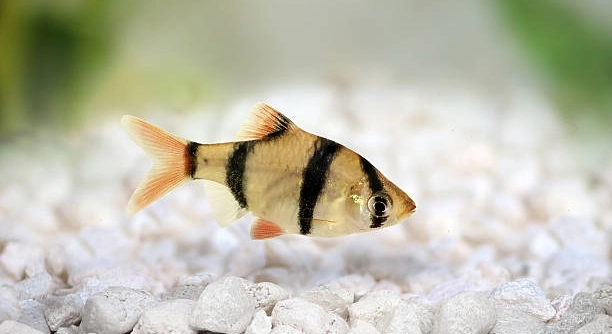
Tiger barbs are lively fish that often dig around in their tanks. This digging can sometimes cause issues, such as disturbing plants or making the aquarium look messy. Understanding why they dig is important to managing this behavior effectively.
Tiger barbs dig primarily due to natural instincts like searching for food and establishing territory. Providing a well-balanced diet, appropriate tank setup, and hiding places can reduce their digging by meeting their environmental and nutritional needs.
Learning simple ways to reduce digging will help you maintain a cleaner tank and a healthier environment for your tiger barbs.
Why Tiger Barbs Dig in Your Aquarium
Tiger barbs dig mostly because they are naturally active and curious fish. In the wild, they search through the substrate for food, so this behavior is instinctive. When kept in an aquarium, if their environment doesn’t provide enough stimulation or food, they dig to explore or try to find something edible. Sometimes, digging is a way for them to mark their territory or create a safe space among plants or decorations. If the tank lacks hiding spots or proper substrate, they may dig more often. Also, stress from overcrowding or poor water quality can increase their digging as a coping mechanism. Providing a balanced diet and a tank setup that mimics their natural habitat reduces the need for excessive digging. Paying attention to their tank conditions and behavior helps in managing their digging tendencies, ensuring a stable and comfortable environment for them.
This digging behavior can sometimes cause uprooted plants or cloudy water, affecting the aquarium’s appearance and health.
Observing your tiger barbs closely helps you understand their needs and adjust the tank setup accordingly. Simple changes often reduce digging significantly.
Adjusting Diet and Environment to Reduce Digging
Feeding tiger barbs a varied diet with enough nutrients helps satisfy their foraging instincts. When they get all necessary nutrients from food, they are less likely to dig searching for edible particles in the substrate. High-quality flakes, pellets, and occasional live or frozen foods keep them healthy and engaged. Overfeeding should be avoided, as leftover food encourages digging and pollutes the water.
In addition to diet, creating an environment that provides hiding spots and visual barriers reduces stress and territorial digging. Adding plants, rocks, or decorations offers places for them to explore and claim. Choosing a soft, sandy substrate mimics their natural environment better than rough gravel, making digging less destructive. Maintaining good water quality and stable tank conditions is essential, as stress from poor conditions can increase digging behavior. Regular tank maintenance, combined with a well-balanced diet and suitable habitat, keeps tiger barbs comfortable and reduces their digging significantly.
Providing Suitable Tank Decor and Substrate
Tank decor offers tiger barbs places to hide and reduces stress. Plants, rocks, and caves break up open spaces, limiting excessive digging. Using a soft substrate like sand is better than gravel, as it is easier on their barb noses and less likely to be displaced violently.
Decor and substrate work together to create a natural environment. Plants offer cover and play areas, while smooth substrate allows gentle digging without uprooting too much. Avoid sharp or rough materials to prevent injuries. Position decorations to form territories that tiger barbs can claim, which lowers aggressive digging caused by competition. Regularly check the tank for disturbed areas and rearrange decor if necessary to keep a balanced environment. Adjustments like these can greatly calm your fish and reduce their digging habits over time.
Changing decor occasionally helps keep your tiger barbs interested and less likely to dig out of boredom. Keep a balance to avoid overcrowding.
Managing Tank Conditions to Prevent Digging
Stable water parameters help keep tiger barbs calm. Sudden changes in temperature, pH, or ammonia levels can stress them, triggering digging. Monitoring water quality regularly and doing partial water changes prevent such fluctuations. Maintaining a clean tank reduces stress and encourages natural behavior.
Overcrowding increases stress and digging as fish compete for space. Keep the tank properly stocked to avoid aggression. Adding plants and hiding spots spreads out activity and helps reduce digging motivated by territorial disputes. Proper filtration and aeration improve water quality, supporting the health of your fish. Maintaining stable and clean conditions creates a comfortable environment, lessening digging caused by discomfort or stress.
Encouraging Natural Behavior Through Feeding
Feeding tiger barbs in small amounts throughout the day mimics their natural foraging habits. This approach keeps them active and less likely to dig out of boredom or hunger. Spreading out feedings reduces leftover food in the substrate, which can encourage digging.
Using sinking pellets or feeding food directly on the substrate helps satisfy their instinct to search for food. It provides mental stimulation and reduces digging caused by frustration.
Using Tank Mates to Reduce Digging
Choosing peaceful, compatible tank mates can reduce territorial stress. Aggressive or overly dominant fish increase digging as tiger barbs compete for space. Calm species help maintain a peaceful environment and discourage digging caused by stress or competition.
Balanced community tanks with similar-sized fish reduce aggressive behavior and promote harmony.
Avoiding Overfeeding
Overfeeding leads to excess food sinking to the bottom, which encourages digging and pollutes the tank. Feed only what tiger barbs can eat within a few minutes to avoid leftovers. This simple step reduces digging and keeps water quality stable.
Maintaining a proper feeding schedule is essential for tank health and fish behavior.
FAQ
Why do tiger barbs dig so much?
Tiger barbs dig because it is a natural behavior linked to foraging and territory marking. In their natural habitat, they sift through the substrate to find food. In an aquarium, digging can increase if they feel stressed, bored, or if the tank setup doesn’t meet their needs.
Can digging harm my plants or tank decorations?
Yes, digging often uproots plants and moves decorations around. If the substrate is loose or the plants are not well-rooted, tiger barbs’ digging can cause damage. Using sturdy plants and heavier decorations can help reduce this problem.
What substrate is best to prevent digging damage?
Soft substrates like sand are ideal because tiger barbs can dig without harming themselves or the tank layout. Coarser gravel can cause injury or be moved too much, causing cloudiness and disturbance in the tank.
How can I reduce digging without changing the tank setup?
Adjusting their diet and feeding schedule helps reduce digging. Feeding small amounts multiple times a day keeps them occupied. Also, adding live or frozen foods can satisfy their foraging instincts and reduce digging caused by boredom.
Are there specific tank mates that reduce digging?
Peaceful and similarly sized fish help reduce stress and territorial digging. Avoid aggressive or dominant species that trigger competition. Balanced community tanks encourage calm behavior and less digging.
Is digging always a sign of a problem?
Not always. Some digging is natural and healthy. It becomes a concern when it damages plants or causes stress. Monitoring your fish’s behavior and tank condition helps you decide if action is needed.
Can stress cause increased digging?
Yes, stress from poor water quality, overcrowding, or sudden changes can increase digging as a coping mechanism. Keeping stable water conditions and proper tank size reduces stress-related digging.
Does adding more hiding spots stop digging?
Adding plants, rocks, and caves gives tiger barbs places to explore and hide. This reduces the need to dig for shelter or territory, lowering digging frequency.
How often should I clean the tank to reduce digging?
Regular partial water changes (about 25% weekly) keep water quality high and reduce stress, which helps control digging. Cleaning substrate gently during maintenance prevents disturbing beneficial bacteria.
What is the best feeding method to limit digging?
Feed small amounts several times a day using sinking pellets or foods placed on the substrate. This matches their natural foraging and reduces digging from hunger or boredom.
Can digging damage the aquarium filter?
If the substrate is disturbed often, debris can enter the filter, potentially clogging it. Using a well-maintained filter and cleaning it regularly prevents issues caused by digging debris.
Should I rearrange the tank decor to stop digging?
Sometimes rearranging can help create more territories and reduce aggressive digging. Avoid overcrowding but make sure fish have enough space and hiding places.
Does overfeeding increase digging?
Yes, leftover food sinks and encourages digging as tiger barbs search for uneaten particles. Feeding only what they consume quickly helps keep the tank cleaner and reduces digging.
Are there specific plants that withstand digging better?
Hardy plants with strong root systems like Java fern or Anubias resist uprooting better than delicate species. These plants survive better when digging occurs.
Can digging cause water to become cloudy?
Yes, digging stirs up substrate particles, which causes cloudiness. Using fine sand and limiting digging reduces this effect.
Is it normal for tiger barbs to dig at night?
Tiger barbs are active during the day, but some digging can happen at night. This behavior is normal unless it causes tank disturbances or damage.
Can poor nutrition increase digging?
Yes, if their diet lacks nutrients, tiger barbs may dig more searching for food. A balanced diet with varied food types keeps them satisfied and reduces digging.
Will increasing tank size reduce digging?
A larger tank offers more space and territories, which lowers competition and stress. This often reduces digging caused by territorial behavior.
Is digging more common during breeding?
Yes, during breeding, tiger barbs dig to prepare spawning sites or protect eggs. This is a natural behavior but may increase tank disturbance temporarily.
How can I tell if digging is excessive?
If digging uproots many plants, clouds water frequently, or causes stress signs like hiding or aggression, it is excessive and needs management.
Are tiger barbs the only fish that dig?
No, many fish species dig as part of their natural behavior. Each species has different reasons and intensities of digging.
Can decorations be secured to reduce digging damage?
Yes, anchoring plants and heavy decorations helps prevent them from being moved during digging. This keeps the tank organized and reduces damage.
Should I change the water temperature to stop digging?
No, temperature changes can stress fish and worsen digging. Keep stable water temperature within the recommended range for tiger barbs.
Does lighting affect digging behavior?
Bright lighting can increase activity, including digging. Adjusting light intensity or providing shaded areas can calm fish and reduce digging.
Is digging behavior different in young vs. adult tiger barbs?
Young tiger barbs may dig more as they explore their environment. Adults tend to dig mainly for territory or spawning.
Can digging lead to injuries?
If substrate is sharp or decorations are rough, digging can cause injuries. Soft substrates and smooth decor reduce risks.
Is it necessary to quarantine new fish to prevent digging problems?
Quarantining new fish helps prevent disease and stress, which can increase digging. Healthy, stress-free fish are less likely to dig excessively.
What role does tank maintenance play in managing digging?
Regular maintenance keeps water quality high and reduces stress. Clean tanks support healthy behavior and reduce digging caused by poor conditions.
How long does it take to see improvement after making changes?
Changes like adjusting diet or tank setup can show results in a few days to weeks. Consistency is key to reducing digging effectively.
Final thoughts on managing tiger barbs digging behavior focus on understanding their natural instincts and creating a comfortable environment. Digging is a normal activity for tiger barbs, linked to their search for food and territorial needs. Recognizing that this behavior is part of who they are helps set realistic expectations when caring for them. While digging can sometimes be a nuisance, especially if it disturbs plants or decorations, it is important to remember that the fish are acting on instincts rather than misbehavior.
Creating a tank environment that meets their physical and mental needs is key to reducing excessive digging. This means providing a balanced diet with varied food types, enough hiding spots, and a suitable substrate like soft sand. Stable water conditions, including proper temperature, pH, and cleanliness, also play a major role in keeping tiger barbs calm and less likely to dig out of stress. Overcrowding or sudden changes can increase digging, so maintaining the right tank size and compatible tank mates is essential. By addressing these factors, many common causes of digging can be minimized.
Patience and consistency are important when managing digging behavior. Changes in diet, tank setup, and maintenance routines may take some time to show results. It is helpful to observe your fish regularly and adjust care practices based on their behavior and tank conditions. Remember, digging is natural and healthy in moderation, so the goal is to reduce the negative effects rather than completely eliminate the behavior. With careful attention and proper care, you can enjoy a cleaner tank and healthier, happier tiger barbs.

Hello,
If you enjoy the content that we create, please consider saying a "Thank You!" by leaving a tip.
Every little bit helps us continue crafting quality advice that supports the health, happiness, and well-being of pets around the world, for pets of all shapes, sizes, and species.
We really appreciate the kindness and support that you show us!