
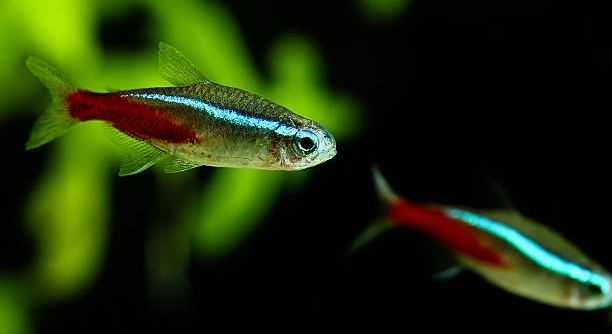
Are your tetras constantly nipping at each other, turning what should be a peaceful tank into a daily battle zone? Keeping an aggressive tank can feel frustrating when all you want is harmony between your fish.
The most effective way to stop tetras from fighting is by identifying the cause of aggression and making appropriate changes to their environment, such as increasing space, improving hiding spots, and adjusting their social dynamics.
From tank size to schooling behavior, understanding what triggers tetra aggression can help you create a safer and more balanced space for them.
Give Them More Space
Tetras are active swimmers, and when they feel crowded, they become aggressive. Overcrowded tanks increase stress and competition, making it harder for tetras to establish a natural group behavior. A small tank often limits swimming room and hiding places, which causes tension among them. To avoid this, provide at least 10 gallons for a small group and increase space for larger groups or mixed species. A longer tank is better than a tall one, as it gives them more horizontal room to swim. More space helps reduce territorial behavior and allows them to retreat when needed. It’s also easier to manage water quality in a larger tank. Poor water can make fish irritable and unhealthy, increasing the chances of fighting. By upgrading your tank size and carefully monitoring your tetra population, you can create a more balanced environment that keeps your fish calm and less likely to pick fights.
A bigger tank makes it easier for your tetras to spread out, reducing tension and fighting. They’ll feel safer and act more peacefully.
Choosing the right tank size is one of the simplest ways to improve tetra behavior. Once they have more room to move, they become less territorial and feel less threatened. You’ll also notice fewer nipped fins and less chasing. For many fish keepers, upgrading the tank solves a lot of issues quickly. It may require a bit more maintenance, but the benefits to your fish’s health and well-being are worth it. Start with at least 20 gallons for a group of six or more and make sure to decorate with plants and driftwood. These natural barriers break lines of sight, helping to reduce stress and fights even more.
Keep Them in a Proper School
Tetras are schooling fish and need to be in groups of their own kind to feel secure. When kept alone or in small numbers, they get stressed.
Keeping six or more tetras helps them feel safe and reduces aggressive behavior. In a proper school, they form a social structure that makes them less likely to lash out at each other. When the group is too small, tetras may try to assert dominance or become territorial, leading to chasing and nipping. A full school balances their behavior, giving each fish a role in the group. This natural setup makes them feel at ease and less defensive. If you only have two or three, consider adding more of the same species. Make sure the tank is large enough to support the full group. Also, avoid mixing tetras that differ too much in size or temperament. A peaceful group depends on consistency and enough space for them to interact without stress.
Add More Plants and Decorations
Plants and decorations give tetras places to hide and feel safe. This helps break up their sightlines, reducing chasing and aggressive behavior. When fish can escape each other’s view, they’re less likely to fight or feel stressed.
Live or artificial plants, driftwood, and rocks all work well. Arrange them in a way that creates small sections in the tank, like little rooms. This gives each fish a place to rest and helps prevent fights over territory. Floating plants can also block light, creating calmer zones. Try to avoid leaving large open areas, especially in smaller tanks. Dense planting helps mimic their natural environment, making them feel more at home. You don’t need to spend a lot—simple silk plants and smooth rocks can make a big difference. Rearranging the layout every so often can also disrupt any territories that may be forming, keeping the peace in your tank.
Tetras do better in a space that feels full and natural, not empty. When they have places to hide, rest, and explore, they become less defensive. A well-decorated tank keeps them busy and lowers stress levels. Aim for a mix of tall plants in the back and smaller ones in the front to build depth.
Avoid Mixing Aggressive Species
Some fish naturally act more aggressively than others. When tetras are kept with species that nip or chase, they often become stressed or mimic that behavior. It’s best to avoid tank mates that are known to be territorial or fast-moving.
Fish like tiger barbs or certain types of cichlids can make a peaceful tetra tank chaotic. Instead, stick with calmer species like corydoras, rasboras, or peaceful guppies. These tank mates don’t provoke aggression and are more compatible with tetras’ temperament. When choosing companions, look at both size and activity level. Fast swimmers or larger fish may intimidate tetras, causing defensive behavior. It’s also a good idea to monitor new fish during the first few days. If you notice nipping or chasing, be ready to separate them. Compatibility makes a big difference in how relaxed your tetras feel. A peaceful tank environment helps prevent fights before they start.
Watch for Mismatched Temperaments
Different tetra species have different energy levels. Mixing calm tetras with more active or aggressive ones can lead to stress and fighting. It’s better to keep similar species together so they don’t feel overwhelmed or threatened by each other.
Neon tetras, for example, are more peaceful than serpae tetras. When grouped with more aggressive types, the calmer fish may hide constantly or become targets. Matching temperaments helps reduce tension and keeps the group behavior consistent.
Reduce Bright Lighting
Bright lights can make tetras feel exposed and nervous, especially in tanks with few hiding spots. A stressed tetra is more likely to act out. Try using dim lighting or floating plants to block some of the light. A softer light helps them feel safe and keeps aggression low.
Feed Them Properly
Hunger is a common cause of aggression in fish. When food is limited, tetras may fight over it, especially in groups. Feed small amounts twice a day to keep them full and reduce tension. Spread the food across the tank so all fish have a chance to eat.
Why do tetras fight?
Tetras usually fight because of stress, overcrowding, or lack of hiding places. When they feel threatened or cramped, they become territorial and aggressive. Mixing different species with different temperaments can also lead to fights. Fighting is often a way for tetras to show dominance or protect space. Poor water quality or improper feeding can increase their stress and make fights more frequent. Keeping them in groups that match their natural schooling behavior helps reduce aggression. When the tank environment doesn’t meet their needs, it causes tension and chasing.
How can I tell if my tetra is stressed or injured from fighting?
Stressed or injured tetras often hide more than usual or swim erratically. Look for torn fins, missing scales, or red marks which show signs of fighting. Stressed fish may lose their color and seem less active. If you see constant chasing or nipping in the tank, some tetras might be hurt. Injured fish can also have difficulty eating or breathing. Monitoring their behavior closely is important to catch problems early. Separating aggressive individuals temporarily may be needed to help injured fish recover.
Is it okay to keep just one tetra?
No, tetras are schooling fish and need to be in groups of at least six. Alone, they feel unsafe and stressed, which can lead to aggressive or odd behavior. A group helps them feel secure and encourages natural social behavior. Keeping only one tetra usually results in loneliness and poor health. If you want a peaceful tank, always keep tetras in small schools to support their well-being.
Can changing the tank setup reduce tetra fighting?
Yes, changing the tank setup can reduce fighting by providing hiding places and breaking up open spaces. Adding plants, rocks, or driftwood creates barriers that reduce direct line of sight, which lowers aggression. Rearranging decorations regularly can prevent fish from claiming fixed territories. A well-structured tank mimics their natural habitat, helping fish feel calm. Avoid large empty areas where tetras feel exposed or forced to compete for space. Small changes in layout can have a big effect on their behavior.
Should I separate aggressive tetras?
Separating aggressive tetras can be a good short-term solution to stop fights. If one or two fish are bullying others, isolating them prevents injury and stress. Use a quarantine tank or a divider inside the main tank. After some time, you can try reintroducing them with changes to tank size or decorations to reduce aggression. If fighting continues, permanent separation might be needed. This helps keep the peace and protects weaker fish from harm.
Does water quality affect tetra aggression?
Poor water quality increases stress, making tetras more prone to fighting. Dirty or unbalanced water can irritate their skin and gills, causing discomfort. This can make them more defensive or aggressive. Regular water changes and monitoring ammonia, nitrite, and nitrate levels help maintain a healthy environment. Clean water supports calm behavior and reduces fights. Proper filtration and avoiding overcrowding also keep water quality stable and fish healthy.
Can diet influence fighting behavior?
Yes, an improper or inconsistent diet can lead to aggression in tetras. When they feel hungry or food is unevenly distributed, fighting over food can occur. Feeding small amounts multiple times a day helps prevent hunger-related fights. Offering a balanced diet with flakes, pellets, and occasional live or frozen foods keeps them healthy and less stressed. Variety in food also prevents boredom, which can sometimes lead to aggressive behavior.
Are certain tetra species more aggressive than others?
Some tetra species are naturally more aggressive. For example, serpae tetras tend to be more nippy and territorial compared to neon tetras, which are peaceful. Knowing your species’ temperament helps in choosing tank mates and group size. Mixing peaceful and aggressive species often leads to fights. To keep harmony, group species with similar behavior and energy levels. Research your tetras before buying to avoid compatibility issues and reduce aggression.
How long does it take for tetras to stop fighting after changes?
Tetras can calm down within a few days to a couple of weeks after improving tank conditions. Adding space, hiding spots, or adjusting group size helps reduce tension quickly. Some fish need more time to adjust to new setups or new tank mates. Patience is important as fish settle into their social roles. Continuous observation is key to ensure fighting has stopped and fish are healthy. If fights persist, further changes may be necessary.
When tetras start fighting, it can feel frustrating because you want your tank to be peaceful. Understanding why they fight is the first step to solving the problem. Many times, fights happen because the fish feel stressed, crowded, or threatened. Making sure they have enough space to swim freely and places to hide is very important. Giving tetras room and comfort lowers their stress and helps stop aggressive behavior. A calm environment lets the fish live in a more natural way, which keeps them happy and healthy.
Keeping tetras in proper groups is also key. These fish like to be in schools of six or more. When they are alone or in small groups, they feel unsafe and may become aggressive. Matching their species and temperament is another important factor. Some types of tetras are peaceful, while others can be more active or nippy. Mixing the wrong fish can cause problems. Choosing tank mates carefully and feeding the fish regularly helps keep peace in the tank. A stable routine and good water quality also play a big role in reducing fighting.
Finally, it’s important to watch your tank regularly. Fish behavior can change quickly if something is wrong. If fights continue, look for signs like torn fins or hiding fish, and make adjustments. Rearranging plants or decorations, upgrading the tank size, or separating aggressive fish might be necessary. Fixing aggression takes time and patience, but it is possible. With the right care and attention, your tetras can live together peacefully. Creating a balanced and comfortable home helps them thrive and makes your aquarium more enjoyable to watch.

Hello,
If you enjoy the content that we create, please consider saying a "Thank You!" by leaving a tip.
Every little bit helps us continue crafting quality advice that supports the health, happiness, and well-being of pets around the world, for pets of all shapes, sizes, and species.
We really appreciate the kindness and support that you show us!