
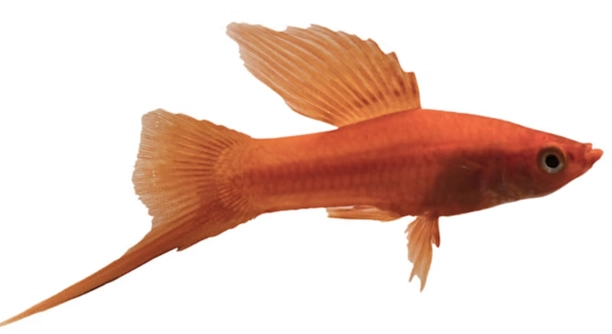
Swordtails are popular fish in many home aquariums. However, sometimes aquarium owners may find themselves overwhelmed by their unexpected breeding. Managing this behavior is important for keeping a healthy and balanced fish environment.
To stop swordtails from breeding, separate males from females or limit their contact. Another approach is controlling water temperature and conditions, as extreme changes can reduce breeding chances. Reducing the presence of plants and hiding spots also helps.
Understanding how to manage your swordtails’ environment can ensure that breeding is kept in check, promoting a calm and peaceful aquarium setting.
Why Swordtails Breed So Easily
Swordtails are known for their quick reproduction. They are livebearers, meaning they give birth to live young rather than laying eggs. This trait makes it easier for them to breed in an aquarium setting. A single pair of swordtails can quickly multiply, as females can store sperm for up to six months, allowing them to produce multiple batches of fry even without a male around. Swordtail fish breed prolifically under favorable conditions, so keeping their environment stable is key to preventing an unwanted population increase.
Some factors that contribute to their breeding success include a comfortable water temperature and adequate food. Swordtails thrive in temperatures around 75-82°F (24-28°C), which encourages breeding behavior. A well-fed female swordtail will also be more likely to reproduce. If your tank is ideal, your fish may breed without much effort on your part.
Ensuring that you maintain the right environment and conditions will help control their breeding patterns. Keeping the water clean, controlling light cycles, and providing a balanced diet all contribute to reducing unwanted spawning. You’ll need to monitor your tank closely if you wish to stop them from breeding frequently.
How to Separate Males and Females
To limit swordtail breeding, separating males and females is a simple yet effective approach. By isolating the males from females, you prevent the fertilization of eggs.
You can easily separate swordtails by keeping males in a separate tank. This allows the female swordtails to live in peace without the constant mating attempts of the males. When they are in close proximity, males actively chase females and try to mate. Keeping them apart ensures this behavior doesn’t occur.
If space is limited, consider separating them with a tank divider or moving the males to another tank temporarily. Female swordtails can live without males and still produce fry due to their ability to store sperm. However, by ensuring that males and females are not together, you prevent further reproduction.
Control the Water Temperature
Water temperature plays a significant role in swordtail breeding. If the water is too warm, swordtails are more likely to breed. Keeping the temperature on the cooler side can help reduce breeding behavior. Swordtails generally prefer temperatures between 75-82°F, but lowering it to around 72-74°F can slow down or stop breeding.
A lower water temperature can decrease the fish’s metabolism and overall activity, leading to fewer mating behaviors. It’s essential to monitor the water temperature regularly. A reliable heater with a thermostat will help you maintain consistent temperatures, which is crucial for keeping swordtail reproduction in check.
However, make sure the temperature is not too low, as that can stress the fish. A stable, slightly cooler temperature is enough to discourage breeding. Be mindful that drastic temperature changes can harm your fish, so any adjustments should be gradual to prevent stress or illness.
Reduce Plants and Hiding Spots
Swordtails breed more frequently when they have plenty of places to hide and feel secure. Removing excess plants and decorations can reduce the chances of your fish breeding. Hiding spots encourage swordtails to feel comfortable and create an environment where they can mate.
If you remove some of the plants or decorations, the fish will have fewer areas to escape to, making them less likely to breed. The reduced hiding spots discourage swordtails from feeling safe enough to reproduce. It’s a simple way to limit their breeding without much effort.
However, removing all plants is not recommended as swordtails still need some shelter to thrive. Instead, consider reducing the number of hiding spaces. You can also trim large plants so they no longer provide cover for the fish, but still allow them to swim freely and feel secure.
Limit Food Supply
Feeding swordtails too much can encourage breeding, as healthy, well-fed females are more likely to reproduce. Reducing the amount of food given can slow down their breeding behaviors. It’s important not to overfeed your fish, as excess food can also lead to water quality issues.
Swordtails that are overfed will grow quickly and may be more likely to breed. Instead, provide smaller, more controlled portions to prevent them from becoming too active and to reduce the chance of breeding. A balanced diet is key to keeping them healthy without encouraging reproduction.
By monitoring their feeding habits and adjusting accordingly, you can help maintain a more balanced tank environment. Less frequent feedings can lead to fewer fry and a more manageable aquarium.
Use Birth Control for Fish
Fish birth control methods, such as hormone treatments, are available in some pet stores. These treatments can prevent swordtails from reproducing by controlling their hormones. While not always foolproof, they can be an effective way to reduce breeding in certain situations.
Before using these products, research them carefully to ensure they are safe for your swordtails and won’t cause harm. They should be used in moderation, as some products can affect the health of your fish in the long term. Make sure to follow the recommended dosages and instructions.
Consider a Separate Breeding Tank
If you prefer to have swordtails but want to control when they breed, consider setting up a separate breeding tank. This allows you to place only selected pairs in the tank, ensuring that breeding occurs in a controlled environment.
By keeping the males and females in the breeding tank for specific periods, you can monitor the breeding process and prevent unwanted fry in your main aquarium. This method lets you keep swordtails without letting their population grow uncontrollably.
FAQ
How do I know if my swordtails are about to breed?
Female swordtails will show signs of pregnancy when they become noticeably rounder and larger in the belly area. You may also notice them becoming more passive or hiding more than usual. A dark spot near their abdomen indicates the development of fry inside. Males will often chase females more aggressively as they attempt to mate, so if you notice this behavior, it could be a sign that breeding is imminent.
Can I stop swordtail breeding without separating males and females?
Yes, controlling environmental factors like temperature, lighting, and food can reduce breeding. Keeping the water temperature slightly cooler (around 72-74°F), limiting hiding spots, and not overfeeding can help discourage breeding. However, separating males and females is the most effective method to prevent reproduction completely.
How often do swordtails breed?
Swordtails can breed frequently, often every 4 to 6 weeks. A female swordtail can store sperm from a male for up to 6 months, meaning she may continue to give birth without mating again. If left unchecked, swordtail populations can grow quickly. Regular monitoring of the tank environment can help control breeding rates.
What do I do with the fry if my swordtails breed?
If your swordtails breed and you end up with fry, you can either raise them in a separate breeding tank or let them stay in the main tank if there are enough hiding spaces. Many aquarists choose to move the fry to a separate tank to protect them from adult fish, who might eat them. You can also sell or give away the fry once they grow large enough to survive on their own.
Will swordtail breeding affect the health of my tank?
Overbreeding can cause issues in your aquarium. Too many fish can lead to overcrowding, which can negatively affect water quality and create stress for the fish. The increased waste from a growing population can quickly raise ammonia levels, leading to poor water conditions. Regular water changes and monitoring of tank conditions are essential to maintain a healthy environment.
Can I reduce swordtail breeding with birth control methods?
Yes, there are some birth control products available for aquarium fish. These are typically hormone-based treatments that can interfere with the breeding process. However, they should be used carefully and in moderation to avoid harming the fish. Always research the product thoroughly before use, as some may not be suitable for long-term use.
Is there a way to stop swordtail breeding without removing plants?
Yes, you can still reduce breeding without completely removing plants. Instead of removing all plants, consider trimming them down so there are fewer hiding spots. Swordtails use plants for cover, especially when they feel threatened or ready to mate. Less cover can discourage breeding, while still providing your fish with a healthy environment.
Do swordtails breed all year round?
Swordtails do not have a specific breeding season, and they can breed year-round under the right conditions. They are constantly ready to reproduce as long as they are comfortable with the water temperature, lighting, and food. To prevent breeding during certain times of the year, control the environment accordingly.
How do I tell if my swordtails are male or female?
Male swordtails are usually smaller and more colorful than females. They also have a longer, more pointed tail fin, known as a “sword,” which is where they get their name. Female swordtails are larger, rounder, and less vibrant in color. They also tend to have a more rounded belly, especially when pregnant.
What happens if I don’t manage swordtail breeding?
If swordtail breeding is not controlled, your aquarium could become overcrowded with fry. As the population grows, the water quality may deteriorate, and your fish could experience stress, leading to health issues. Overcrowding can also make it harder for your fish to find enough food, potentially stunting growth and leading to weaker fish.
Do I need to remove the male swordtail after breeding?
Once the female swordtail has given birth, you do not need to remove the male from the tank, but it can be helpful if you want to stop any further breeding. Since swordtails can store sperm for months, the female will continue to give birth even if the male is removed. If you want to limit breeding, simply separating the males and females will prevent further fertilization.
How long is the swordtail gestation period?
The gestation period for swordtails is about 4 to 6 weeks, depending on water temperature and other environmental factors. Warmer temperatures tend to shorten the gestation period, while cooler water can slow it down. A female swordtail can give birth to anywhere from 20 to 100 fry at a time, although this number can vary.
Should I be worried if my swordtail isn’t breeding?
If your swordtail isn’t breeding, it could be due to several factors. It might be stressed, the water temperature could be off, or the fish might not be fully mature yet. Swordtails generally breed once they are around 4 to 6 months old. If the fish are healthy but not breeding, check the water conditions and ensure they are in a comfortable environment.
Final Thoughts
Managing swordtail breeding in your aquarium can be a challenge, especially since these fish are known for reproducing quickly. However, with a little care and attention, it’s possible to prevent overpopulation and keep your tank balanced. The key is understanding their breeding habits and adjusting their environment accordingly. By making small changes, such as controlling water temperature, limiting food intake, and reducing hiding spots, you can discourage breeding. You don’t necessarily need to separate the males and females if you make these adjustments, though that can be the most effective solution.
It’s also important to remember that swordtails are livebearers, meaning they can store sperm for months. This means even after a male is removed, females can still give birth for quite a while. Knowing this can help you plan your approach. If you find yourself with a lot of fry, consider creating a separate breeding tank where you can monitor the process more closely. Alternatively, some people sell or give away the fry once they’re big enough, helping prevent overcrowding in the main aquarium. Whatever your method, just ensure the fish are healthy and the tank conditions are optimal.
Keeping your swordtail population in check requires ongoing observation and maintenance. While it may take some effort to get things right, once you find the right balance, your swordtails can thrive without overwhelming your tank. Consistency is key. Regular water changes, proper feeding, and monitoring the temperature are all part of creating a stable and sustainable aquarium. By being proactive and attentive, you can enjoy your swordtails without the worry of overbreeding, allowing you to maintain a healthy, happy tank environment for all your fish.

Hello,
If you enjoy the content that we create, please consider saying a "Thank You!" by leaving a tip.
Every little bit helps us continue crafting quality advice that supports the health, happiness, and well-being of pets around the world, for pets of all shapes, sizes, and species.
We really appreciate the kindness and support that you show us!