
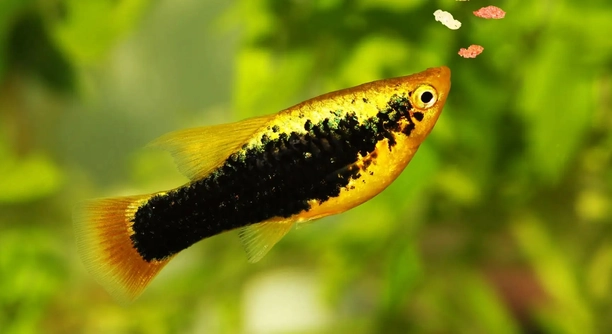
Platies are popular aquarium fish known for their bright colors and peaceful nature. However, fin nipping can be a frustrating problem for many fish owners. Understanding why platies nip fins can help maintain a healthy tank environment.
Fin nipping in platies is often caused by stress, overcrowding, or lack of proper nutrition. Addressing these factors by providing enough space, balanced feeding, and compatible tank mates reduces aggressive behavior and promotes fin health.
Knowing how to manage fin nipping will keep your platies happier and your aquarium looking its best. This guide will offer clear steps to improve your fish’s well-being.
Causes of Fin Nipping in Platies
Fin nipping among platies usually happens when their environment or social dynamics are off balance. One main cause is overcrowding, which can increase stress and lead to aggressive behavior. When there isn’t enough space, platies may compete for territory and nip each other’s fins. Another factor is the lack of proper nutrition. A poor diet can make platies more irritable and prone to nipping. Sometimes, the problem is caused by incompatible tank mates that stress platies or provoke them. Lastly, sudden changes in water conditions or poor water quality may contribute to increased fin nipping. Keeping the tank clean and stable helps reduce stress and aggressive acts. Watching your platies closely can help you spot these triggers early, allowing you to adjust the environment or care routine before the nipping worsens.
Keeping a balanced tank environment is key to reducing fin nipping and promoting calm behavior in platies.
Understanding the causes of fin nipping helps create a peaceful aquarium. Proper tank size, compatible fish species, and clean water support platies’ well-being. Regular feeding with nutritious food also plays a big role in keeping them calm and healthy. When stress is minimized, fin nipping usually decreases. This knowledge allows you to adjust your care routine effectively to prevent damage and ensure your platies thrive.
How to Prevent Fin Nipping
Preventing fin nipping starts with providing adequate space and good water conditions.
Regular tank maintenance is essential for a healthy environment that keeps platies comfortable. Clean the tank often to avoid waste buildup and keep water parameters stable. Avoid overcrowding by limiting the number of fish in the aquarium. Selecting peaceful and compatible species to share the tank reduces conflict. Feeding your platies a balanced diet with variety helps reduce aggression linked to hunger or poor nutrition. Adding hiding places and decorations can give fish room to retreat, lowering stress. Sometimes, separating aggressive fish temporarily can calm the group. Observing your fish’s behavior regularly allows you to act quickly if nipping begins. By focusing on these key areas, fin nipping can be controlled and minimized, creating a more peaceful tank for your platies to flourish in.
Identifying Aggressive Behavior Early
Noticing early signs of aggression helps prevent fin damage. Watch for chasing, biting, or constant chasing without rest. Early intervention can stop the behavior before it becomes serious.
Aggressive platies often show rapid swimming and persistent chasing, targeting specific tank mates. Their fins may look ragged or torn, a clear sign that nipping is ongoing. If you catch this behavior early, you can separate the aggressive fish or adjust the tank setup to reduce stress. Providing more space or adding hiding spots can also help calm the fish. Monitoring feeding times is important, as competition for food can increase aggression. Catching these signals quickly protects your fish from injury and improves the overall tank atmosphere.
Observing your platies daily creates an opportunity to spot tension before it leads to serious fin damage. Early steps can keep your fish safe and happy.
Adjusting Tank Conditions to Reduce Stress
Water quality directly impacts fish behavior. Poor water conditions often increase stress and aggression. Keep ammonia and nitrite levels at zero and maintain stable pH and temperature.
Use a reliable filter and perform regular water changes to maintain cleanliness. Overcrowding also raises stress levels, so keep the number of fish appropriate for your tank size. Adding plants and decorations provides hiding places, giving platies room to retreat and avoid conflict. Consistent lighting schedules help reduce stress, as sudden changes can unsettle fish. Avoid loud noises or vibrations near the tank, which may trigger aggressive responses. By controlling these factors, you create a calm environment that discourages fin nipping and supports the health of all tank inhabitants.
Choosing Compatible Tank Mates
Selecting peaceful fish helps reduce fin nipping. Avoid aggressive or very active species that might stress platies.
Good tank mates include small, calm fish like tetras or guppies. These fish coexist well with platies and keep the environment peaceful.
Feeding Tips to Minimize Aggression
Feed platies small amounts several times a day rather than one large feeding. This prevents competition and aggression during meal times.
A varied diet including flakes, pellets, and occasional live or frozen foods helps keep platies healthy and less prone to stress-related fin nipping.
When to Separate Aggressive Fish
Separating aggressive platies early stops fin damage from worsening.
Use a divider or move the aggressive fish to a different tank until behavior improves.
Using Plants and Decorations
Plants and decorations offer hiding spots. They reduce stress and break lines of sight, lowering fin nipping chances.
FAQ
Why do platies nip fins?
Platies nip fins mainly because of stress, overcrowding, or poor nutrition. They may also nip to establish dominance or when tank conditions cause discomfort. Fin nipping is often a sign that something in their environment needs attention, such as tank size, water quality, or tank mate compatibility.
How can I tell if fin nipping is serious?
If you notice torn, ragged, or bleeding fins, fin nipping is serious. Constant chasing and biting without rest can cause lasting damage and infections. Early signs include small tears or missing fin pieces, which can worsen if ignored.
Can fin nipping heal on its own?
Yes, fins can heal if the aggressive behavior stops and water quality is good. Providing a calm environment and proper care helps fins regenerate naturally. If aggression continues, healing may be slow or incomplete.
What tank size is best for platies?
A minimum of 10 gallons is recommended for a small group of platies. Larger tanks reduce stress by giving more space and lowering the chance of aggression. Overcrowding increases the risk of fin nipping.
Are certain fish better tank mates for platies?
Peaceful fish like guppies, tetras, and mollies make good companions. Avoid aggressive or very active species that may provoke fin nipping. Compatibility reduces stress and helps keep platies calm.
How often should I feed my platies?
Feed small amounts two to three times daily to avoid competition and aggression during feeding. A varied diet with flakes, pellets, and occasional live food keeps them healthy and less likely to nip.
Will adding plants stop fin nipping?
Plants and decorations help by providing hiding places and breaking lines of sight. This lowers stress and reduces the chance of fin nipping by giving fish places to retreat when needed.
What water conditions are best to prevent fin nipping?
Keep ammonia and nitrite at zero, maintain stable pH around 7.0 to 8.0, and water temperature between 72-78°F (22-26°C). Regular water changes and a good filtration system help maintain these conditions.
Should I separate aggressive platies?
Yes, separating aggressive fish early prevents fin damage from getting worse. Use a tank divider or move the aggressive fish to another tank until behavior improves.
Can stress cause fin nipping in platies?
Stress is a common cause of fin nipping. Causes include poor water quality, overcrowding, sudden changes in environment, and incompatible tank mates. Reducing stress usually lowers aggression and fin damage.
How do I clean my tank to reduce fin nipping?
Perform weekly partial water changes of 20-30%, remove uneaten food, and vacuum the substrate to prevent waste buildup. Keep the filter clean but avoid over-cleaning beneficial bacteria. A clean tank reduces stress and fin nipping.
What should I do if fin nipping causes infections?
Treat infected fins with appropriate aquarium antibiotics or antifungal medications. Isolate the affected fish if possible. Maintain excellent water quality and monitor closely until healed.
Can platies fin nip each other?
Yes, platies can nip each other’s fins, especially males competing for dominance or during overcrowding. Keeping enough space and balanced numbers helps reduce this behavior.
Do young platies nip fins more than adults?
Juvenile platies may nip more as they establish social hierarchy. This usually decreases with age if the environment is stable and stress is low.
Is fin nipping common in all types of platies?
Fin nipping can occur in any platy, but it depends more on tank conditions and social dynamics than the type or color of the fish.
Can diet change stop fin nipping?
Improving diet with high-quality food and variety can reduce aggression linked to hunger or poor nutrition, helping to stop fin nipping.
How long does it take for fins to heal?
Fins can take from a few weeks to a month to fully heal, depending on the severity of the damage and water conditions. Healing is faster in a stress-free, clean tank.
Final Thoughts
Managing fin nipping in platies takes attention and patience. It is important to keep their environment calm and stable. Providing enough space, clean water, and good tank mates helps reduce stress and aggression. Overcrowding and poor water quality are common reasons for fin nipping, so regular tank maintenance is key. Making sure platies have a balanced diet and enough hiding spots can also keep them peaceful. These simple steps go a long way in stopping fin damage.
Watching your platies closely is essential. Early signs of fin nipping, such as small tears or chasing, should not be ignored. Acting quickly by adjusting tank conditions or separating aggressive fish can prevent serious harm. Healing is possible, but only when stress is reduced and the tank environment supports health. Keeping the tank clean and stable helps fins grow back stronger. Fin nipping is often a sign that your fish need some changes, so paying attention will keep your aquarium happy.
Taking care of platies means understanding their behavior and needs. They are peaceful fish by nature, and fin nipping usually signals an imbalance in their home. With regular care and small adjustments, fin nipping can be managed well. Remember, a healthy and stress-free tank is the best way to protect your fish. Keeping your platies safe from fin nipping will help them live longer and look beautiful. This will make your aquarium a pleasant space for you and your fish alike.

Hello,
If you enjoy the content that we create, please consider saying a "Thank You!" by leaving a tip.
Every little bit helps us continue crafting quality advice that supports the health, happiness, and well-being of pets around the world, for pets of all shapes, sizes, and species.
We really appreciate the kindness and support that you show us!