
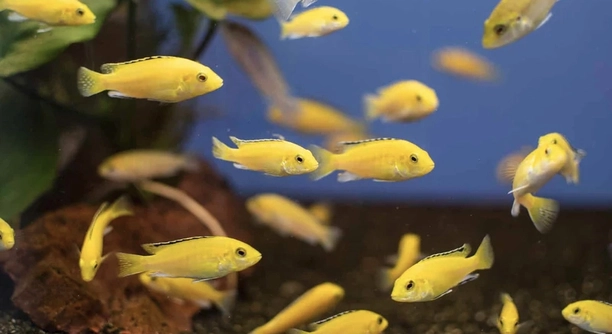
Many aquarium owners face challenges with cichlids, especially when one fish begins to control the tank. This behavior can upset the balance and peace in your underwater community. Managing dominance is key to a healthier environment.
The most effective way to stop one cichlid from dominating is by adjusting tank size, rearranging hiding spots, and monitoring fish compatibility. These changes reduce territorial behavior and promote a more balanced social structure among the cichlids.
Understanding these methods will help create a calmer tank and improve the well-being of all your fish. This article explains simple steps to regain harmony in your aquarium.
Understanding Cichlid Behavior
Cichlids are naturally territorial fish, especially males. They use dominance to claim space, food, and breeding rights. In a tank, this can lead to one fish bullying others, chasing them away, or controlling the best hiding spots. This behavior is instinctive but can become stressful for the other fish. Sometimes, the dominant cichlid may grow larger and stronger, making it harder for others to stand up to it. This imbalance can affect the health and happiness of your tank community. Recognizing these behaviors early helps you take steps to reduce conflict and keep your aquarium peaceful. It’s important to watch for signs like constant chasing or hiding, as these show that one fish is taking over. By learning how cichlids naturally act, you can create conditions that encourage fair space-sharing and reduce aggression.
Adjusting the tank environment often helps to calm dominant behaviors and improve social balance.
Making small changes in the tank can reduce stress and promote harmony among all cichlids, helping everyone to thrive.
Tank Setup and Environment
One of the best ways to stop a dominant cichlid is by changing the tank setup. Providing plenty of hiding places with rocks, plants, and decorations breaks up the territory into smaller areas. This limits how much one fish can control. A larger tank also gives more space for each cichlid to claim their own spot without constant fights. Rearranging decorations regularly can prevent fish from becoming too attached to one area. This confuses the dominant fish and lowers its control. Proper water conditions and regular maintenance keep all fish healthy, which reduces stress and aggression. It’s also helpful to introduce other fish carefully, making sure they are compatible in size and temperament. When these factors are right, cichlids share space more peacefully.
A well-planned environment helps lessen dominance by giving each fish room to feel safe and secure.
Taking time to organize your tank carefully can create a calm space that encourages balanced social behavior among cichlids.
Recognizing Dominant Behavior Early
Watching your cichlids regularly helps spot dominance before it gets worse. Early signs include one fish chasing others often or guarding a single hiding spot aggressively.
Dominant cichlids usually show repetitive chasing or nipping at tank mates. They may block access to food or limit movement by controlling key areas. Over time, this stress can weaken other fish, making them more prone to illness. Noticing these behaviors early gives you a chance to act before the situation escalates. You can then adjust the environment or separate aggressive fish to prevent injury and stress.
Sometimes a fish may not seem aggressive but still controls the tank subtly by positioning itself in favored spots. Observing body language like flared fins or quick darting movements helps identify this quiet dominance. Addressing it early keeps your tank balanced and peaceful.
Using Tank Mates to Balance Behavior
Choosing the right tank mates can reduce dominance problems. Fish that are similar in size and temperament help prevent bullying.
Adding peaceful but assertive species can distract a dominant cichlid and reduce its focus on one target. Avoid mixing overly aggressive or very timid fish, as this creates new conflicts. Introducing several smaller fish instead of one large companion helps spread attention and energy. It’s important to research compatibility before adding new fish to maintain a healthy social environment. Balanced groups encourage natural behaviors without letting one fish control the entire tank. Carefully planned companions help your cichlids coexist more peacefully and reduce stress.
Feeding Strategies to Reduce Aggression
Feeding your cichlids in multiple spots helps prevent dominant fish from controlling food access. This spreads out the competition and lowers stress.
Using high-quality food keeps all fish healthy, which reduces aggressive behavior. Regular feeding schedules also help maintain calm and order during mealtime.
Separating the Dominant Fish
If aggression continues despite changes, temporarily separating the dominant cichlid may be necessary. This gives other fish a chance to recover and reclaim territory.
Isolation should be done carefully to avoid stressing the separated fish. Use a divider or a quarantine tank and monitor behavior closely. After a break, reintroduce the fish slowly.
Behavior Modification Techniques
Distracting the dominant cichlid with new decorations or rearranging the tank can redirect its energy. This helps break up established territories and reduces control.
Regular changes in the environment keep cichlids curious and less focused on dominance. These small adjustments encourage exploration rather than aggression.
Monitoring and Patience
Changing fish behavior takes time and consistent observation. Keep a close eye on interactions and adjust your approach as needed.
FAQ
How can I tell if one cichlid is too dominant?
Dominant cichlids often chase or nip at other fish repeatedly. They guard key hiding spots or food areas aggressively. You may notice other fish hiding more or appearing stressed. Watch for one fish that controls most of the tank space or seems to bully the others consistently. Subtle signs include flared fins, quick darting movements, or blocking access to important areas. Early recognition helps prevent harm to the whole tank.
What tank size is best to prevent dominance?
A larger tank gives cichlids enough space to establish their own territories without constant fights. Generally, a minimum of 30 gallons is recommended for smaller species, but bigger tanks are better for multiple fish. More space means less overlap in territory, reducing competition. Adding plenty of decorations also helps break up the tank into smaller zones. If space is tight, aggressive behavior tends to increase.
Can rearranging the tank really help reduce aggression?
Yes, rearranging rocks, plants, and decorations can disrupt established territories. Dominant fish lose control over “their” areas and have to explore new spaces. This helps reduce aggressive behavior by preventing one fish from holding a strong claim. It also keeps the environment interesting, encouraging natural curiosity instead of fights. Doing this every few weeks can maintain a more balanced social structure.
Is it okay to keep different cichlid species together?
Mixing species can work if you carefully choose compatible ones. Avoid pairing very aggressive fish with timid or much smaller species. Some cichlids have similar temperaments and sizes, which makes coexistence easier. Researching each species’ behavior is important to prevent bullying. Sometimes, a community of peaceful cichlids balances dominance better than a single species. However, always monitor closely for signs of stress or aggression.
How many cichlids should I keep together?
Keeping a group rather than just one dominant fish can help spread aggression and reduce bullying. Groups of five or more fish discourage one individual from controlling the entire tank. The more fish you have, the harder it is for one to dominate. But overcrowding causes stress too, so find a balance that fits your tank size. Remember, enough space and hiding places remain critical.
When should I separate a dominant cichlid?
If a cichlid is seriously injuring others or causing constant stress, separating it temporarily is necessary. This break allows other fish to recover and reduces ongoing conflict. Isolation should be done carefully with a divider or quarantine tank. Monitor both the separated fish and the group. After some time, slowly reintroduce the fish and observe interactions. Separation is a last resort but sometimes needed to maintain peace.
Does feeding multiple times a day reduce aggression?
Feeding smaller amounts more frequently can lower competition during mealtime. Spreading food across different areas prevents one fish from guarding all the food. Healthy, well-fed cichlids are less likely to show aggressive behavior. Regular feeding schedules also create routine and calmness in the tank. Avoid overfeeding, though, as this can cause water issues.
Can behavior change without adding new fish?
Yes, behavior often improves by adjusting the environment, tank size, and feeding practices. Rearranging decorations or adding more hiding spots can reduce dominance. Sometimes simply giving fish more space or reducing stress helps. Not all solutions require introducing new tank mates. Observing and responding to the fish’s needs is key.
What signs show that a dominant fish is stressed?
Even dominant cichlids can show stress through rapid breathing, loss of appetite, or faded colors. They might hide more or act restless. Stress weakens their immune system and affects overall health. Watching your dominant fish carefully ensures you don’t overlook its well-being while managing aggression.
Are there fish that naturally balance cichlid dominance?
Some species, like certain catfish or plecos, can coexist well and help balance social dynamics by occupying different tank levels. They usually don’t compete for territory but provide activity that distracts dominant cichlids. Choosing compatible bottom dwellers can reduce tension and add variety to the aquarium. Always check species compatibility before adding new fish.
How long does it take to fix dominance problems?
Changing fish behavior is a slow process that requires patience. Improvements may take weeks or months depending on the tank setup and fish personalities. Consistent monitoring and adjustments help keep aggression under control. Avoid quick fixes or sudden changes that could stress the fish further.
What is the role of water quality in reducing aggression?
Good water quality keeps all fish healthy and less prone to stress-induced aggression. Poor conditions can increase irritability and fights. Regular testing, water changes, and filtration are essential. Clear, clean water supports a calmer tank environment and better fish behavior.
Managing a dominant cichlid in your aquarium can be challenging, but it is definitely possible with the right approach. Creating a balanced environment where all fish feel safe and secure is key. This means paying attention to tank size, decorations, and how the fish interact with each other. When a cichlid becomes too dominant, it is usually because it feels the need to protect its territory or compete for food and mates. By adjusting the tank setup and making sure there is enough space and hiding spots, you reduce the chance of one fish taking over. This creates a more peaceful atmosphere for everyone in the tank.
Another important factor is the choice of tank mates and how you feed your fish. Selecting compatible species that can coexist helps prevent bullying and fights. Feeding your cichlids in several places and offering high-quality food keeps them healthy and lowers competition during mealtime. If a dominant fish continues to cause problems, temporary separation can give other fish a chance to recover and reduce stress in the tank. It is important to observe fish behavior regularly and act early when you notice signs of aggression or stress. These steps not only protect weaker fish but also improve the overall harmony in your aquarium.
Patience and consistency are essential when working to stop a cichlid from dominating. Changing fish behavior and tank dynamics takes time and careful monitoring. Small changes, such as rearranging decorations or introducing new hiding places, can make a big difference over weeks or months. Keeping water clean and maintaining good tank conditions supports the health of all fish and reduces aggression. Remember, the goal is not just to stop one fish from dominating but to create an environment where all your cichlids can live together peacefully and thrive. With thoughtful care and attention, you can enjoy a balanced, lively aquarium that feels calm and healthy for every fish.

Hello,
If you enjoy the content that we create, please consider saying a "Thank You!" by leaving a tip.
Every little bit helps us continue crafting quality advice that supports the health, happiness, and well-being of pets around the world, for pets of all shapes, sizes, and species.
We really appreciate the kindness and support that you show us!