
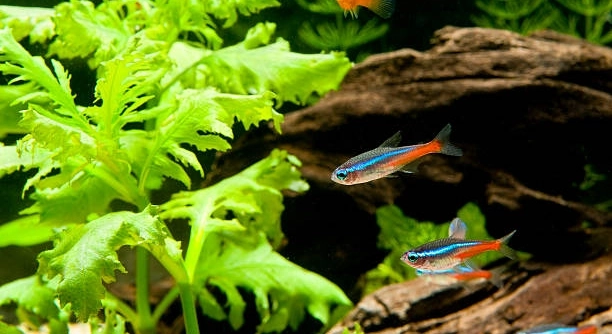
Neon Tetras are small, colorful fish often seen in home aquariums. While they are peaceful by nature, they can sometimes nip at each other, causing distress in the tank. Understanding the reasons behind this behavior is essential.
Neon Tetras nip at each other primarily due to stress, overcrowding, or a lack of space. Providing a suitable environment, including appropriate tank size, hiding places, and proper water conditions, can significantly reduce these aggressive tendencies.
There are a variety of methods to help your Neon Tetras live peacefully. By adjusting their environment, diet, and social dynamics, you can create a stress-free setting for them to thrive in.
1. Provide a Larger Tank
Neon Tetras are known for their active nature. When placed in a tank that is too small, they feel stressed and confined, which leads to nipping at each other. A tank that offers more swimming space helps reduce this aggression. As a rule of thumb, aim for at least a 10-gallon tank for a small group of Neon Tetras. A larger tank allows them to explore more freely, decreasing territorial behavior. Furthermore, keeping the water quality high and ensuring the tank has proper filtration and temperature levels will make your Neon Tetras feel more comfortable.
Providing more space means reducing competition among the fish. This can also prevent the aggressive behavior caused by overcrowding. Without a sense of confinement, the fish are less likely to display signs of stress, including nipping.
In addition to tank size, the number of Tetras plays an important role. A larger group of Neon Tetras, such as five or more, often helps them feel more secure. When there are enough fish to form a cohesive group, the aggressive tendencies often diminish. Consider how your current tank size can be optimized for their well-being.
2. Maintain a Stable Water Environment
Water quality is a critical factor in reducing stress. When the water conditions fluctuate, it can trigger aggression among Neon Tetras. The key elements to focus on are temperature, pH, and hardness. Keep the water temperature within the 72-80°F range, with a neutral pH of 6.0 to 7.5. Regular water changes of 25% weekly help maintain balance and clarity.
Changes in water quality can alter the behavior of Neon Tetras. They are sensitive to stressors like ammonia and nitrites, which can cause them to become skittish or more prone to nipping. Consistent water quality will lead to healthier, calmer fish overall.
Ensuring the filtration system is working effectively is also important. A well-maintained filter prevents the build-up of harmful substances and keeps the water oxygenated. By staying on top of water changes, filter maintenance, and monitoring tank parameters, you can keep your fish in a stress-free environment.
3. Add Hiding Spots and Plants
Neon Tetras need places to retreat and hide, especially when they feel threatened or stressed. Adding plants, rocks, or driftwood will give them a sense of security. These hiding spots reduce competition and can minimize the chances of nipping. You can place the plants in clusters to create areas where fish can avoid aggression.
Live plants are ideal, as they improve water quality and offer more natural hiding places. Use hardy plants like Java Fern or Anubias, which tolerate various water conditions. Artificial plants can work, but they don’t offer the same environmental benefits as live ones.
Along with plants, include some caves or decorations where Tetras can rest away from the group. This allows them to feel less pressured and more comfortable in their environment. With more places to hide, the fish will feel secure, which helps lower the likelihood of aggressive behavior.
4. Keep a Balanced Group of Neon Tetras
A small group of Neon Tetras may cause one or two fish to feel singled out, leading to aggression. To prevent nipping, aim for a group of at least five or six. This ensures that there’s no dominant fish, which can result in less competition for resources and space.
A balanced group of Neon Tetras also creates a more peaceful dynamic. When there are enough fish, they tend to school together, moving in harmony, which reduces territorial behavior. The group structure helps with reducing individual stress, keeping everyone happier and healthier.
Moreover, a larger group encourages natural schooling behavior, making them feel safer and less likely to nip at each other. By maintaining a larger, balanced group, you’ll reduce the likelihood of fish getting picked on or stressed by the group’s hierarchy.
5. Provide a Varied Diet
Feeding your Neon Tetras a varied diet can help reduce stress and aggression. Offer a mix of high-quality flakes, pellets, and live or frozen food like brine shrimp or daphnia. A well-balanced diet ensures they receive all the necessary nutrients, keeping them healthy and calm.
When fish are well-fed, they’re less likely to compete or fight over food. A diverse diet also prevents deficiencies that could lead to stress and aggression. Be sure to feed them small amounts throughout the day, mimicking their natural eating habits, so they feel secure and satisfied.
6. Reduce Tank Mate Stress
Tank mates can influence Neon Tetra behavior, especially if they’re overly aggressive or large. Fish like larger cichlids or predatory species can cause stress, leading to nipping. Choose peaceful fish that won’t compete aggressively for space or food, ensuring a more harmonious environment.
Smaller, calm fish are ideal companions for Neon Tetras. Avoid aggressive species, as their presence may increase stress levels, leading to more nipping. If you notice any signs of bullying or chasing, consider rearranging the tank or adding more hiding spots for your Neon Tetras.
7. Maintain Consistent Lighting
Neon Tetras are sensitive to sudden changes in lighting. Bright, harsh lighting can stress them out, causing them to become more aggressive. It’s best to use soft, dim lighting, creating a more relaxed atmosphere for your fish.
By keeping the lighting consistent, you help the Tetras feel more secure. Regular light cycles that mimic natural day and night patterns allow your fish to adjust to their environment.
FAQ
Why do Neon Tetras nip at each other?
Neon Tetras nip at each other primarily due to stress, territorial behavior, or overcrowding. When they feel confined or stressed, they become more prone to nipping. A lack of hiding spots or a small tank size also contributes to this behavior. Providing adequate space, plants, and hiding spots can help reduce aggression.
How many Neon Tetras should I keep together?
It’s best to keep at least five to six Neon Tetras in a group. A larger group helps reduce stress by promoting natural schooling behavior. When there are enough fish, they are less likely to become territorial or aggressive toward each other, making for a more peaceful environment.
Can Neon Tetras live with other fish?
Neon Tetras are peaceful and can live with a variety of other calm fish, such as guppies, corydoras, and other small, non-aggressive species. Avoid larger or aggressive fish that might bully them. A peaceful community tank ensures that your Neon Tetras feel safe and secure, reducing their tendency to nip.
How do I stop Neon Tetras from being stressed?
To reduce stress in Neon Tetras, ensure they have ample space to swim, appropriate water conditions, and places to hide. Maintain a stable water temperature, provide a balanced diet, and avoid overcrowding. Stress often leads to aggression, so a calm environment is key to keeping them peaceful.
What temperature should the water be for Neon Tetras?
Neon Tetras thrive in water temperatures ranging from 72°F to 80°F (22°C to 27°C). Maintaining a consistent temperature within this range is essential to their well-being. Sudden temperature changes can cause stress and aggression, so use a reliable heater and thermometer to monitor the tank.
Do Neon Tetras need a filter?
Yes, Neon Tetras benefit from a well-maintained filtration system. A filter helps keep the water clean, oxygenated, and free of harmful substances. It’s essential to choose a filter with the appropriate flow rate to avoid creating too strong a current, which can stress the Tetras.
How often should I change the water for Neon Tetras?
It’s recommended to change 25-30% of the water every week for Neon Tetras. Regular water changes help maintain good water quality, preventing harmful buildup of toxins. This also reduces stress and ensures a healthier, more stable environment for your fish.
Can Neon Tetras live in brackish water?
No, Neon Tetras are freshwater fish and should not be kept in brackish water. They prefer soft, slightly acidic water conditions. Brackish water can harm their delicate skin and gills, leading to stress or illness. Stick to a freshwater setup to keep them healthy and happy.
What is the best food for Neon Tetras?
Neon Tetras do well on a variety of foods, including high-quality flakes, pellets, and live or frozen foods like brine shrimp and daphnia. Offering a mix of these ensures they receive all the nutrients they need. Feed them small portions throughout the day to mimic their natural feeding habits.
How long do Neon Tetras live?
On average, Neon Tetras live for 5 to 10 years, depending on their care and environment. Maintaining optimal water quality, temperature, and diet will help ensure a long, healthy life for your fish. Avoid overfeeding and make sure their tank is regularly cleaned to promote their longevity.
Can Neon Tetras change color?
Yes, Neon Tetras can change their color depending on their environment and health. Stress, poor water quality, and illness can cause their colors to dull. A well-maintained tank with stable water conditions will help your Tetras retain their bright blue and red coloration.
Why are my Neon Tetras swimming erratically?
Erratic swimming in Neon Tetras can be caused by stress, water quality issues, or illness. Check the water parameters, such as temperature, pH, and ammonia levels, to ensure they’re within safe ranges. If the problem persists, consider isolating any sick fish and consult an aquarium professional.
Are Neon Tetras active fish?
Yes, Neon Tetras are active swimmers. They are constantly moving and schooling together in their natural habitat. In an aquarium, they prefer to swim in the middle and upper parts of the tank, often forming a tight group. A larger tank with plenty of swimming space is ideal for them.
Do Neon Tetras get along with shrimp?
Neon Tetras can generally live with shrimp, especially species like cherry shrimp or ghost shrimp. However, they might occasionally nibble on smaller or slower-moving shrimp. It’s best to introduce shrimp once the Tetras have settled in and ensure plenty of hiding places for the shrimp to avoid the Tetras.
Can I keep Neon Tetras with Bettas?
Neon Tetras and Bettas may not always get along. While Neon Tetras are peaceful, Bettas are known to be territorial and aggressive, especially toward small fish with long fins. However, if your Betta is relatively calm and the tank has enough space and hiding spots, they may coexist peacefully.
How can I tell if my Neon Tetras are happy?
Happy Neon Tetras are typically active, swim in groups, and exhibit vibrant colors. They should be eating well, moving freely around the tank, and not displaying signs of stress, like darting or hiding excessively. Healthy Tetras will also interact peacefully with each other and their environment.
Final Thoughts
Keeping Neon Tetras in a healthy and peaceful environment requires attention to their tank conditions and behavior. By providing adequate space, appropriate tank mates, and a balanced diet, you can reduce the chances of aggression and nipping. These small fish thrive in well-maintained aquariums with stable water quality, soft lighting, and a variety of hiding spots. The more comfortable they are in their environment, the less likely they will exhibit stress-related behaviors.
Understanding the causes of nipping and taking steps to address them can greatly improve the quality of life for your Neon Tetras. Overcrowding, poor water conditions, and incompatible tank mates are common reasons for aggression. By following basic care practices, you can avoid these issues and create a peaceful environment for your fish. Regular water changes, proper filtration, and a suitable diet go a long way in reducing stress and promoting the overall health of your fish.
In the end, Neon Tetras are wonderful, colorful additions to any tank. They are relatively easy to care for, but they do require some attention to detail, especially when it comes to their social behavior. By keeping their environment calm and stress-free, you can ensure that they live a long, healthy, and happy life. With the right care, your Neon Tetras will thrive, swim peacefully, and bring vibrant color to your aquarium.

Hello,
If you enjoy the content that we create, please consider saying a "Thank You!" by leaving a tip.
Every little bit helps us continue crafting quality advice that supports the health, happiness, and well-being of pets around the world, for pets of all shapes, sizes, and species.
We really appreciate the kindness and support that you show us!