
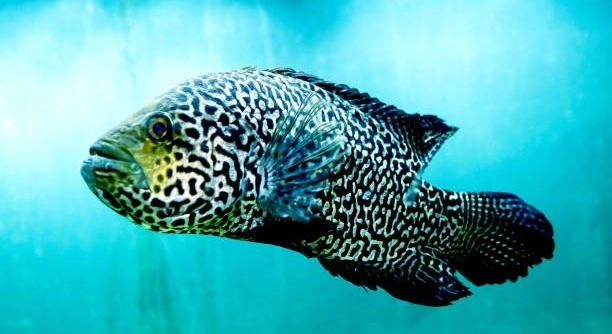
Jack Dempsey fish are known for their vibrant colors and lively personalities, but they can often become aggressive when kept in confined spaces or with incompatible tank mates. Their fighting can cause stress and injury.
The most effective way to stop Jack Dempsey fish from fighting is by providing sufficient space, maintaining proper tank conditions, and carefully selecting compatible companions. Separating aggressive individuals and ensuring adequate hiding spots also significantly reduces territorial disputes.
Managing aggression in these fish requires attention to tank setup, environment, and social dynamics to maintain a calm and healthy aquarium.
Understanding Jack Dempsey Behavior
Jack Dempsey fish are naturally territorial and can be aggressive, especially in smaller tanks or when competing for resources. Their bright colors and bold movements often signal dominance to other fish. Aggression usually starts with flaring fins, chasing, or nipping at tank mates. These behaviors can escalate quickly if the environment is stressful or overcrowded. Stress, lack of hiding spots, and poor water quality can worsen fighting. Observing these signs early is important to prevent injuries or long-term stress. Tank size plays a major role in reducing conflicts, as larger spaces allow fish to establish territories without constant confrontation. Proper diet and feeding routines also help, as hungry fish are more likely to be aggressive. Keeping compatible species together is essential to maintain balance. Even with careful planning, some Jack Dempsey fish may remain naturally combative, so monitoring and intervention are key to keeping the tank peaceful.
Aggression is often linked to territory and environmental stress. Proper management is essential.
Providing a calm environment involves giving each fish space, creating hiding spots with rocks or plants, and ensuring consistent water quality. Regular maintenance prevents stress-related fighting. Monitoring interactions allows early separation if conflicts escalate, keeping the aquarium balanced.
Tank Setup and Space
A larger tank reduces territorial fights by allowing fish to spread out. Adequate hiding spots are essential.
Spacing Jack Dempsey fish correctly prevents constant confrontation. The tank should include rocks, caves, and dense plants to break sight lines and create personal territories. Avoid overcrowding, as even minor provocations can lead to aggressive encounters. A minimum tank size of 55 gallons is recommended for a small group, with extra space for each additional fish. Plants and decorations should be arranged to create boundaries and visual barriers. These elements reduce stress and give fish options to retreat. Water quality must remain consistent, as poor conditions increase irritability. Monitoring temperature, pH, and ammonia levels supports a calm environment. Some fish may need to be separated temporarily if fighting persists. Using dividers or separate tanks can help manage aggression without permanent isolation. Observing behavior daily ensures a safer habitat and reduces the risk of injury.
Would you like me to continue the next sections following the outline?
Feeding and Diet
Proper feeding reduces aggression among Jack Dempsey fish. Overfeeding or irregular meals can increase competition and fighting.
A balanced diet helps maintain calm behavior. Feed high-quality pellets designed for cichlids, supplemented with frozen or live foods such as brine shrimp and bloodworms. Feeding small amounts multiple times a day prevents hunger-driven disputes and reduces stress. Ensure each fish gets access to food, especially if some are more dominant. Uneaten food should be removed to prevent water quality issues. A consistent feeding routine supports healthier fish and lowers aggressive tendencies, keeping the tank environment more peaceful and stable for all inhabitants.
In addition to quality food, feeding locations can influence aggression. Scatter food around the tank to prevent dominant fish from guarding one area. Using feeding rings or separate feeding zones ensures that each fish can eat without competition. Observing feeding behavior daily helps identify if any fish are being bullied or left hungry, allowing adjustments in routine or tank setup. Proper feeding practices are key to reducing conflicts and promoting healthy growth.
Separating Aggressive Fish
Separating aggressive Jack Dempsey fish early prevents serious injuries and long-term stress. Using dividers or quarantine tanks is effective.
Dividing fish is sometimes necessary when aggression persists. Temporary separation allows territorial fish to cool down and reduces physical harm. Use clear dividers to maintain visual contact while preventing attacks, or move the most aggressive individual to a separate tank. Quarantine tanks are also helpful when introducing new fish to prevent immediate fights. Monitoring separated fish ensures they remain healthy and adjust properly before reintroduction. Gradual reintroduction into the main tank can prevent renewed conflicts and maintain overall tank harmony.
In cases of repeated aggression, permanent separation may be required. Some fish have dominant personalities that make peaceful coexistence impossible. Identifying which individuals are prone to constant fighting allows careful planning of tank mates and territory. Providing multiple hiding spots and visual barriers can help, but if conflicts continue, keeping aggressive fish in a dedicated tank protects both the aggressive fish and others. Regular observation and proactive management are essential for long-term aquarium stability and the well-being of all Jack Dempsey fish.
Choosing Compatible Tank Mates
Selecting peaceful tank mates helps reduce Jack Dempsey aggression. Avoid smaller, delicate fish that may be targeted.
Cichlids of similar size and temperament are usually better companions. Monitor interactions carefully when introducing new fish, as even compatible species may clash initially. Proper planning can prevent frequent fighting and stress.
Environmental Enrichment
Adding rocks, caves, and plants gives Jack Dempsey fish places to hide and establish territories. A well-decorated tank reduces boredom and aggression, as fish can explore and retreat when feeling threatened. Visual barriers help prevent constant chasing, keeping the environment calmer and more balanced.
Monitoring Water Conditions
Stable water quality directly affects Jack Dempsey behavior. Regularly check pH, temperature, and ammonia levels to maintain a healthy tank. Fish are less aggressive when conditions are optimal.
FAQ
How can I tell if my Jack Dempsey fish is being too aggressive?
Signs of aggression include chasing, nipping, flaring fins, and guarding specific areas of the tank. Frequent attacks on other fish or repeated dominance behaviors indicate stress and territorial disputes. Observing interactions daily helps identify which fish are causing or experiencing aggression.
What tank size is best to reduce fighting?
A minimum of 55 gallons is recommended for a small group of Jack Dempsey fish. Larger tanks allow fish to establish territories without constant confrontation. Adding extra space for each additional fish helps prevent overcrowding and reduces stress-driven fighting.
Should I feed my fish differently to manage aggression?
Yes, consistent feeding reduces competition. Offer high-quality pellets with occasional live or frozen foods. Feeding small amounts multiple times a day ensures all fish get access to food. Scattering food across the tank prevents dominant fish from guarding one area.
Can tank decorations really reduce fights?
Absolutely. Rocks, caves, and dense plants create hiding spots and visual barriers, helping fish establish personal territories. These structures break up line-of-sight and prevent constant chasing. Rearranging decorations occasionally can also reduce established dominance patterns and keep the tank calmer.
What if one fish keeps attacking others despite changes?
Temporary separation is effective. Use a divider or move the aggressive fish to another tank. This allows all fish to recover and reduces injuries. Some fish may require permanent separation if aggression persists. Observation and careful planning of tank mates are essential.
How do water conditions affect aggression?
Poor water quality increases stress, making fish more aggressive. Maintain stable temperature, pH, and low ammonia levels. Regular water changes and monitoring prevent irritability and promote healthier behavior. Clean, consistent conditions help fish feel secure and reduce territorial conflicts.
Are certain tank mates better for Jack Dempsey fish?
Yes, similar-sized cichlids with compatible temperaments usually coexist better. Avoid very small or delicate fish, as they may be targeted. Introducing new fish gradually and monitoring interactions prevents immediate conflicts. Proper planning ensures a balanced social environment.
How often should I observe my fish for aggression?
Daily observation is ideal. Watch for chasing, nipping, or hiding. Early detection allows for intervention before serious injuries occur. Regular monitoring also helps assess if changes in diet, tank setup, or separation strategies are working effectively.
Can stress from other fish cause my Jack Dempsey to fight more?
Yes, stress increases aggression. Overcrowding, incompatible tank mates, or lack of hiding spots can trigger fights. Reducing stress through proper space, environmental enrichment, and consistent routines helps maintain a calmer tank.
Is there a way to prevent aggression from the start?
Choosing a sufficiently large tank, providing plenty of hiding spots, feeding consistently, and selecting compatible fish from the beginning are the best preventative steps. Early attention to behavior and environment reduces future conflicts.
What should I do if injuries occur from fighting?
Remove injured fish to a quarantine tank and treat wounds if needed. Check water quality to prevent infection. Reevaluate tank setup and fish compatibility to prevent further injuries. Addressing aggression quickly protects the health of all fish.
Can male and female Jack Dempsey fish coexist without fighting?
Males are usually more territorial than females. Housing one male with several females can reduce aggression, but monitor for dominant behavior. Extra space and hiding spots are essential to maintain balance and prevent repeated conflicts.
Does rearranging the tank help with aggression?
Yes, changing decorations or plants can reset established territories and reduce dominance-based fighting. New hiding spots and visual barriers provide fish with areas to retreat and explore, calming the tank environment and breaking up constant confrontations.
How long does it take for aggressive behavior to calm down?
Behavior can improve within days to weeks after adjustments. Proper tank size, hiding spots, feeding routines, and separation strategies all contribute. Continuous observation ensures that changes are effective and that fish remain healthy and stress-free.
Can aggression affect the overall health of my fish?
Yes, constant fighting leads to stress, injuries, and weakened immune systems. Addressing aggression through tank setup, diet, compatible companions, and monitoring supports both physical and mental health for Jack Dempsey fish.
What’s the best way to introduce new fish to a tank with Jack Dempseys?
Use a quarantine or divider initially. Introduce fish gradually to minimize immediate fights. Monitor closely, provide hiding spots, and feed consistently. Proper introduction prevents stress and allows fish to adjust without escalating aggression.
Are Jack Dempsey fish naturally aggressive, or can it be controlled?
They are naturally territorial, but their aggression can be managed. Tank size, environment, compatible companions, feeding routines, and monitoring all help reduce fighting. While some individuals remain more combative, careful management maintains a safer, calmer tank.
How do hiding spots reduce stress?
Hiding spots give fish safe areas to retreat. This reduces direct confrontations and allows less dominant fish to rest without being chased. Creating multiple shelters improves tank balance and overall well-being for all inhabitants.
Should I rearrange fish if fighting continues?
Yes, sometimes moving aggressive fish to separate tanks or changing the environment helps. Observation is key. Adjusting tank layout and separating problematic fish prevents ongoing injuries and restores calm.
What is the most important factor to reduce aggression long-term?
Consistent tank conditions, proper space, compatible companions, environmental enrichment, and attentive monitoring are all critical. Early intervention and proactive management create a stable, calm, and healthy habitat for Jack Dempsey fish.
This FAQ section covers the most common concerns and practical solutions for managing Jack Dempsey fish aggression, helping maintain a safe and balanced aquarium environment.
Managing aggression in Jack Dempsey fish requires careful attention to their environment, diet, and social dynamics. These fish are naturally territorial, so conflicts can arise even in well-maintained tanks. Observing their behavior regularly is crucial to prevent injuries and stress. Small signs, like chasing or nipping, often indicate that adjustments are needed. Tank size plays a significant role in reducing fighting, as more space allows fish to establish individual territories without constant confrontation. Adding rocks, caves, and plants provides visual barriers and hiding spots, helping fish feel secure. Even subtle changes, such as rearranging decorations or adjusting feeding locations, can make a noticeable difference in their interactions. Paying attention to the natural tendencies of Jack Dempsey fish and providing a structured environment minimizes aggression over time and helps maintain a balanced, peaceful aquarium.
Proper diet and feeding routines also influence aggression levels. Hungry fish are more likely to compete and fight, so feeding high-quality pellets supplemented with occasional live or frozen foods supports calm behavior. Providing multiple feeding spots ensures that all fish have access to food without interference from more dominant individuals. Consistency in feeding times reduces stress and prevents sudden outbursts of aggression. In addition, water quality directly affects behavior. Poor water conditions can make fish irritable and more prone to fighting. Regular monitoring of pH, temperature, and ammonia levels, along with routine water changes, keeps the tank healthy and stable. Maintaining clean water, consistent feeding, and proper nutrition all work together to create an environment where Jack Dempsey fish are less likely to fight, improving their overall health and longevity.
Separating aggressive individuals is sometimes necessary for long-term harmony. Some Jack Dempsey fish are naturally more combative and may not coexist peacefully with certain tank mates. Using dividers or temporary quarantine tanks allows aggressive fish to cool down while protecting others from injury. Gradual reintroduction, when possible, gives fish time to adjust and helps prevent renewed conflicts. Choosing compatible tank mates and providing adequate hiding spaces further reduces aggression. Regular observation and proactive management are essential to maintain a calm and safe environment. By understanding their behavior, adjusting the tank setup, and carefully monitoring interactions, it is possible to keep Jack Dempsey fish healthy, less stressed, and more harmonious in a shared aquarium space.

Hello,
If you enjoy the content that we create, please consider saying a "Thank You!" by leaving a tip.
Every little bit helps us continue crafting quality advice that supports the health, happiness, and well-being of pets around the world, for pets of all shapes, sizes, and species.
We really appreciate the kindness and support that you show us!