
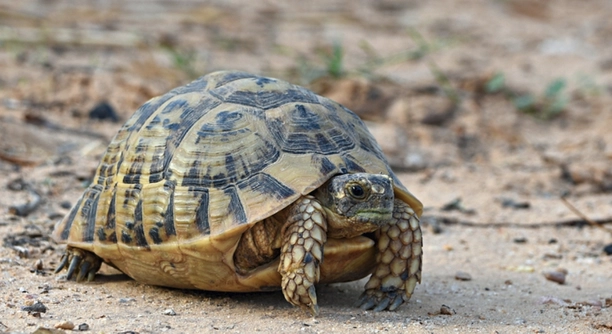
Many pet owners with Russian tortoises struggle with their pets trying to escape their enclosures. These small, active reptiles have a natural curiosity that can lead them to explore beyond their designated space.
To stop a Russian tortoise from attempting to escape, ensure its habitat is secure, with a high enough enclosure and no gaps. Providing a stimulating environment with plenty of hiding spots and interactive objects also helps keep them content and less inclined to wander.
There are several simple yet effective ways to prevent these escape attempts. From proper enclosure design to enriching their environment, you’ll find the solutions that work best for your tortoise.
Why Russian Tortoises Try to Escape
Russian tortoises are naturally curious creatures, and they often attempt to escape because they are looking for something to do or a more stimulating environment. They may also try to find a more comfortable space if they feel cramped or unengaged. In the wild, they roam vast areas, so a confined space can feel limiting for them. If the environment doesn’t offer enough to keep them active, their instinct to explore will kick in.
A lack of mental stimulation can cause a tortoise to become bored and restless. This is especially true if there are no objects like rocks, logs, or plants that provide places to hide and climb. Inadequate lighting or heat may also make the tortoise uncomfortable, leading it to search for a better spot. It’s important to keep the enclosure interesting for your tortoise to prevent this behavior.
The key to stopping your Russian tortoise from escaping lies in creating a more stimulating and comfortable environment. If their space feels like a place where they can explore, hide, and bask, they will be far less likely to try escaping.
How to Improve Your Tortoise’s Enclosure
One of the easiest fixes is improving your tortoise’s enclosure. A taller or more secure fence can prevent your pet from climbing out. But simply adding height may not be enough if there are gaps or weak spots. Check for any potential escape routes, such as holes or loose edges that your tortoise can slip through.
Ensure that the temperature and humidity are appropriate for your tortoise’s needs. Russian tortoises thrive in a warm, dry environment. Without the right conditions, they may try to escape in search of better living conditions. Make sure to have proper lighting, too, with a UVB light that helps them stay healthy.
Additionally, you can enhance your tortoise’s space by including natural elements like sand, soil, and plants. These mimic their natural environment and provide opportunities for burrowing and foraging. When your tortoise feels comfortable and entertained in its enclosure, the desire to escape will likely decrease.
Enriching Your Tortoise’s Environment
A stimulating environment helps keep your Russian tortoise from getting bored and trying to escape. Including a variety of items like logs, rocks, or tunnels can give your pet more to explore. These additions make their space feel more like a natural habitat.
Russian tortoises enjoy climbing, burrowing, and hiding. By adding a few plants or a small rock pile, you can create areas for them to explore. They also like having something to climb over or under, which gives them exercise and mental stimulation. Providing these features will keep them busy and engaged.
Make sure the objects you place in their enclosure are safe. Avoid anything that could harm them, like sharp objects or heavy items that could topple over. When tortoises have more to interact with, they won’t feel as inclined to escape. It’s all about keeping them comfortable and engaged with their environment.
Avoiding Overcrowding in the Enclosure
Overcrowding is a common issue that can lead to escape attempts. If there are too many items or even other tortoises in one space, your Russian tortoise may feel stressed and want to get away. It’s important to strike a balance between space and stimulation.
Ensure that there is enough room for your tortoise to move freely. Russian tortoises need space to roam and bask comfortably. If their enclosure is cramped, they may feel trapped and try to escape. On the other hand, too little stimulation can lead to boredom, so it’s about providing the right combination of both.
By keeping the enclosure spacious but interesting, you can keep your tortoise relaxed and less likely to make a break for it. It’s key to regularly monitor how your tortoise behaves in its habitat. If they seem restless or unhappy, adjustments can be made to improve their living situation.
Proper Temperature and Lighting
Russian tortoises need specific temperature and lighting conditions to stay healthy. Without the right environment, they may try to escape in search of a more comfortable spot. Make sure the enclosure is kept warm with a heat lamp, and provide UVB light for their overall well-being.
The temperature should range between 75°F and 85°F during the day, with a basking area up to 95°F. A drop at night to about 65°F is ideal. UVB lighting is essential for their calcium absorption and shell health. Without it, your tortoise could become stressed or ill, causing it to seek out a better environment.
Securing the Enclosure
Checking for gaps or weak points in the enclosure is crucial. Even the smallest opening can be an escape route for a determined tortoise. Regularly inspect the enclosure to ensure it’s secure and that your pet can’t slip through or climb over.
Tortoises, especially when they feel threatened or bored, will find ways to escape. It’s worth investing in a sturdy, high-walled enclosure made of materials like wood or plastic to prevent any escape attempts. Make sure there is no loose mesh or gaps near the base.
FAQ
Why is my Russian tortoise trying to escape?
Tortoises often try to escape due to boredom, discomfort, or an unsuitable environment. Russian tortoises, being curious creatures, seek out new areas when their enclosures lack stimulation or if their habitat doesn’t meet their temperature or lighting needs. They may also be attempting to find a more comfortable space if they’re too cramped or feel unsafe.
How can I stop my Russian tortoise from escaping?
To prevent escape attempts, secure the enclosure by checking for gaps or weak spots. Providing a stimulating environment with things to climb, hide, and explore will keep them occupied. Ensure the temperature and humidity are right and add a few plants or rocks for enrichment. A larger, secure space will also help.
What temperature does my Russian tortoise need to stop escaping?
A temperature range of 75°F to 85°F during the day is ideal for your tortoise. The basking spot should be a bit warmer, reaching around 95°F. At night, temperatures can drop to around 65°F. If the enclosure isn’t within this range, your tortoise may try to escape in search of a better environment.
Can I keep my tortoise with other pets in the same enclosure?
It’s best not to house Russian tortoises with other pets, especially those that are more active or aggressive. If you keep other animals in the same enclosure, they may stress out the tortoise or create a situation where it feels the need to escape. Make sure the tortoise has enough space to avoid conflicts.
How do I know if my tortoise is too stressed?
Signs of stress in a tortoise include excessive hiding, pacing the enclosure, loss of appetite, or lethargy. If your tortoise is constantly trying to escape or shows these signs, it may indicate that its environment is not suitable. Make changes to its habitat to reduce stress and make it more comfortable.
What kind of food can help keep my Russian tortoise calm?
A well-balanced diet is important to keep your tortoise healthy and content. Offer a variety of leafy greens like dandelion, collard greens, and kale, along with some vegetables such as squash or bell peppers. Avoid high-protein foods, which can stress them out. A healthy tortoise is more likely to be calm and not seek escape.
Should I change my tortoise’s enclosure regularly?
Changing the layout of the enclosure from time to time can provide mental stimulation and prevent boredom. However, don’t make the space too unfamiliar, as it can stress out your tortoise. Keep the basic elements, such as basking spots and hiding areas, consistent, while occasionally adding new items for exploration.
Is it okay to let my tortoise roam outside its enclosure?
Allowing your Russian tortoise to roam outside the enclosure for short periods can give it more space to explore. However, make sure the area is secure and safe. If left unsupervised, your tortoise may wander off or be at risk of predators. Always ensure the outside area is escape-proof.
How do I make sure my tortoise is not trying to escape because of temperature issues?
Check the temperature daily to ensure it’s within the optimal range of 75°F to 85°F during the day. Use a reliable thermometer and a basking lamp to maintain the proper conditions. If the temperature is too low, your tortoise may try to find a warmer spot, leading to escape attempts.
Why is my tortoise climbing the walls of its enclosure?
Climbing the walls may indicate that your tortoise is seeking a way out, either because it’s bored or uncomfortable. Make sure the enclosure is large enough and offers enough stimulation. If the walls are too low or not secure, your tortoise may try to climb over them in search of something more exciting or a more comfortable environment.
Can I use a cage or smaller enclosure to prevent escapes?
Using a cage or smaller enclosure isn’t ideal for Russian tortoises. They need enough space to roam, forage, and explore. A small enclosure can cause stress, which may lead to escape attempts. Focus on securing a larger, more comfortable space with appropriate lighting and temperature instead.
Do I need to worry about my tortoise escaping when I’m not home?
It’s always a good idea to ensure the enclosure is secure when you’re away. Even if you’re not there to watch, your tortoise may try to escape if it feels uncomfortable. Before leaving for extended periods, double-check the enclosure for any weak spots or gaps, and ensure the environment is stable.
How do I know if my tortoise is happy in its environment?
A happy tortoise will be active, eating well, and behaving naturally. If it seems calm and content, with no signs of stress or escape attempts, it’s a good sign that the environment is meeting its needs. Regularly observe its behavior to ensure it’s thriving.
Final Thoughts
Keeping a Russian tortoise as a pet comes with the responsibility of ensuring their environment is safe and stimulating. These creatures are naturally curious, and if their habitat isn’t set up properly, they might try to escape. This behavior usually stems from boredom, discomfort, or a lack of sufficient space to roam. Understanding why your tortoise is trying to escape is the first step toward fixing the problem. Creating a secure, enriched space for them can help reduce the chances of escape and make sure they feel comfortable.
A well-constructed enclosure with no gaps or weak points is crucial. Make sure the walls are tall enough and secure to prevent any climbing or digging attempts. The temperature and lighting are also key factors in keeping your tortoise happy and healthy. Without the right conditions, they may become stressed and seek a way out. Offering a mix of hiding spots, climbing areas, and some natural elements can also help keep your tortoise engaged. It’s all about providing them with a space that feels more like their natural habitat, so they don’t feel the need to escape.
Ultimately, the goal is to create an environment where your tortoise feels safe, secure, and entertained. By regularly checking their habitat, ensuring proper care, and giving them plenty of room to move around, you’ll not only stop them from escaping but also promote their well-being. Keep an eye on your tortoise’s behavior and make changes to the enclosure if needed. With the right setup, your tortoise can thrive and be less likely to try escaping.

Hello,
If you enjoy the content that we create, please consider saying a "Thank You!" by leaving a tip.
Every little bit helps us continue crafting quality advice that supports the health, happiness, and well-being of pets around the world, for pets of all shapes, sizes, and species.
We really appreciate the kindness and support that you show us!