
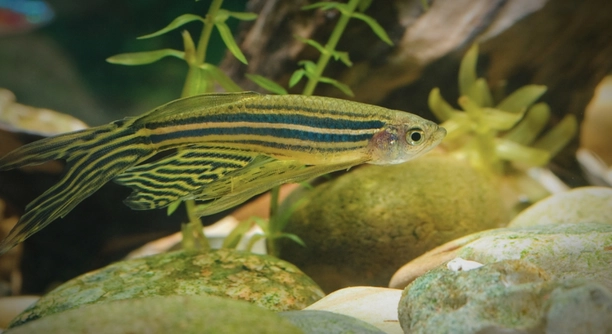
Zebra Danios are popular aquarium fish known for their playful nature. However, understanding their territorial behavior is important for creating a peaceful tank environment. This article will help you recognize and address their territorial actions.
Zebra Danio territorial behavior is most often observed when they feel their space is being threatened by other fish. They may chase, nip, or display aggressive postures towards others to defend their territory.
Recognizing these behaviors early can help prevent tank stress and aggression. Understanding their needs will ensure a harmonious environment for all aquarium inhabitants.
Understanding Zebra Danio Behavior
Zebra Danios are active and social fish, but they can also be quite territorial. They are known to claim areas of the tank as their own, especially during breeding times or when they’re feeling crowded. While this behavior is natural, it can lead to aggression toward other fish if not properly managed. You may notice some chasing, fin nipping, or even body posturing when they’re trying to establish dominance. Understanding these behaviors will help you ensure that your Danios are comfortable and that the other fish in the tank aren’t stressed or harmed.
While it’s important to recognize territorial signs, it’s also essential to provide enough space for each fish. This will reduce tension and help avoid unnecessary aggression.
Creating a peaceful aquarium environment requires understanding the balance of all tank inhabitants. Zebra Danios, like many fish, thrive when they have ample space, plenty of hiding spots, and some territorial boundaries. Adding plants, rocks, or tank dividers can help create a layout that mimics their natural habitat, allowing them to establish their territory without interfering with other fish. These arrangements can reduce territorial disputes, ensuring all fish in the tank are safe and comfortable. Keeping the water quality optimal and making sure there’s enough food for everyone will also promote a healthier environment. By taking these steps, you can prevent stress and aggression from becoming an issue in your aquarium.
How to Spot Territorial Behavior
Spotting territorial behavior in Zebra Danios doesn’t require any special skills. The signs are usually quite noticeable. When one Danio is staking its claim, it may chase other fish away from a particular area or act aggressively by flaring its fins.
To prevent issues, it’s crucial to monitor their interactions closely. If you see persistent chasing or fin nipping, it might be time to reconsider the tank’s layout. Adding more hiding spaces or adjusting the water flow can reduce aggressive behavior. You may also want to consider reducing the number of fish to ensure that the Danios have more space to spread out. By keeping a close eye on their behavior and adjusting accordingly, you can maintain a peaceful tank environment where all your fish feel safe.
Identifying Aggressive Signs
Zebra Danios show clear signs of aggression when they feel their territory is being invaded. You might notice them chasing other fish, especially when they are competing for space or food. They may also display flaring fins, which is a sign of intimidation.
In some cases, the aggressor will nip at the fins of other fish. This can lead to injury or stress for the target fish. A dominant Danio may also swim in a very rigid, straight posture, which signals that it’s defending its space. Pay attention to how often this behavior occurs, and whether it’s targeted at a specific fish or random.
If this behavior becomes frequent, it’s important to take action. Adjusting tank conditions, adding more plants, or increasing the number of fish can help spread the aggression across more individuals. This can prevent any one fish from becoming a target.
How to Manage Territorial Disputes
Managing territorial disputes among Zebra Danios is all about creating a balanced environment. First, ensure your tank is large enough for the number of fish you have. Crowded tanks often lead to more aggressive behavior.
If aggression persists, consider adding more hiding spaces and visual barriers, like plants or rocks. This allows each fish to claim its own space without constantly interacting with others. Also, introducing additional Danios can help spread out territorial claims, as they tend to focus on defending space in groups.
Keeping the water quality high and feeding them regularly can reduce stress levels and make your Danios feel more secure, which also helps reduce aggression.
Breeding and Territorial Behavior
During breeding, Zebra Danios become more territorial. Males may fight over females, displaying increased aggression to establish dominance. This behavior is temporary but can result in some chasing and nipping, especially when the female is in sight.
It’s essential to monitor these interactions closely during breeding. If you want to avoid injuries, consider separating aggressive males or providing ample space for the female. Adding plenty of plants can also provide hiding spots for the female, reducing stress. After breeding, the aggression usually subsides, but it’s important to observe any lingering territorial disputes.
Tank Mates and Compatibility
When choosing tank mates for Zebra Danios, consider their active and sometimes aggressive nature. Smaller, slower fish may become targets for bullying, while other Danios or similarly active species will be more likely to coexist peacefully.
To avoid aggression, always ensure there’s enough space and hiding spots for everyone. Fish like tetras, guppies, and other peaceful species are often compatible with Danios, provided the tank isn’t overcrowded. Make sure you also monitor food distribution to avoid any competition that could lead to territorial disputes.
Territorial Behavior in Larger Tanks
In larger tanks, Zebra Danios may be less territorial due to the abundance of space. With plenty of room to swim, they tend to spread out more, reducing the likelihood of constant conflict.
However, even in bigger tanks, Danios may still claim certain spots, especially near the surface or in plants. To minimize aggression, make sure your tank layout provides lots of cover, and avoid keeping too many males in the same space.
FAQ
What are the signs of Zebra Danio territorial behavior?
Zebra Danios show territorial behavior through chasing, fin nipping, and displaying aggressive postures. They may swim aggressively towards other fish, especially when they are protecting a space they consider their own. When they feel threatened, they may flare their fins or engage in body posturing to intimidate others. These behaviors are most noticeable when the fish are trying to establish dominance in a specific area of the tank or during mating times.
How can I stop my Zebra Danios from being so aggressive?
To reduce aggression, make sure your tank provides enough space for all fish. Overcrowded tanks are a common cause of territorial disputes. Adding more hiding places, such as plants and rocks, allows each fish to carve out its own space. Increasing the number of fish in the tank can also help diffuse aggression, as the Danios may focus on establishing territories within the group rather than targeting individual fish. Regularly checking the water quality and providing ample food will also reduce stress and help your Danios feel secure.
Can Zebra Danios live with other fish?
Zebra Danios can live with other fish, but it depends on the species. Peaceful and similarly active fish are generally compatible with Danios. Smaller, slower fish may be at risk of being bullied, especially if there isn’t enough space or hiding spots in the tank. Ideal tank mates for Danios include tetras, guppies, and other non-aggressive species. Always monitor interactions when introducing new fish to ensure that no one is being excessively stressed or chased.
Do Zebra Danios need a lot of space to avoid territorial behavior?
Yes, Zebra Danios require enough space to reduce territorial aggression. A tank that’s too small can lead to overcrowding, which often results in fish becoming more territorial. A 20-gallon tank is a good starting point for a small group of Zebra Danios, but larger tanks will give them more freedom to swim and claim their space without constantly clashing with others. The more space available, the less likely they are to feel the need to establish dominance aggressively.
How do I manage aggression if I have multiple male Zebra Danios?
Male Zebra Danios are more likely to be territorial, especially during breeding season. If you have several males in a tank, their competition for territory and mates can lead to frequent aggression. To minimize this, try adding more hiding spots or plants so the Danios can establish their own spaces. You can also increase the number of females to reduce competition. Keeping fewer males and more females can help balance the dynamic and reduce aggressive behavior.
Do Zebra Danios get along with other species during breeding?
During breeding, Zebra Danios can become more territorial and aggressive, especially among males competing for females. This behavior can affect their interactions with other species, particularly if the tank is crowded or if there are any other fish in close proximity. It’s a good idea to separate the breeding pair or add more space if you want to prevent aggression from spilling over into the rest of the tank. Once the breeding cycle is over, aggression tends to decrease, but you may still need to monitor their behavior.
How do I know if a Zebra Danio is stressed due to territorial behavior?
Stress from territorial behavior in Zebra Danios can be identified by constant chasing, hiding, or erratic swimming patterns. If a Danio is being repeatedly chased or nipped at, it may retreat to a corner or remain near the bottom of the tank, avoiding other fish. Stress can also manifest as loss of appetite or changes in coloring. Keeping the tank environment stable with proper hiding spots and minimal aggression can help reduce stress and encourage more natural behavior.
Should I separate aggressive Zebra Danios from others in the tank?
If you notice a Zebra Danio is being excessively aggressive, it’s a good idea to separate it temporarily to prevent injury to other fish. Creating a quarantine space or moving the aggressive Danio to a different part of the tank can help reduce tension. However, before resorting to separation, try adjusting the tank layout or adding more hiding spots. This can help create a more peaceful environment and encourage the Danio to settle without being overly territorial.
Can Zebra Danios share a tank with shrimp or snails?
Zebra Danios can generally coexist with shrimp and snails, though there are some risks. Danios are active and curious, and they may nip at smaller shrimp, especially if they feel threatened or crowded. Snails, on the other hand, are usually left alone as long as they’re not in the Danios’ way. If you’re keeping shrimp or snails in the same tank, make sure there are plenty of hiding spots for them to escape from the Danios’ activity. This helps keep everyone safe and minimizes potential conflict.
Do Zebra Danios display territorial behavior during the day or night?
Zebra Danios are most active during the day when they swim around searching for food and establishing their territories. Territorial behavior, such as chasing or aggressive postures, is more noticeable during daylight hours. At night, Danios tend to become less active, and territorial disputes usually subside. However, if a fish feels particularly threatened or stressed, it may still display territorial behaviors, even in lower light conditions.
Can I reduce territorial behavior by introducing new fish?
Introducing new fish can sometimes help diffuse territorial behavior, especially if the new fish are of a different species and are not perceived as threats. However, introducing more Zebra Danios to the tank can also increase competition for space, which may worsen territorial disputes. It’s important to carefully monitor the interactions between the new and existing fish, especially when adding more Danios. Providing additional hiding spots and ensuring a balanced population can help manage aggression.
Final Thoughts
Zebra Danios are energetic and social fish, but they do have a natural tendency to be territorial, especially when it comes to defending their space or competing for mates. This behavior is typical and part of their instincts, but it’s important to manage it in order to maintain a peaceful environment in your tank. By understanding the signs of territorial behavior, you can take steps to minimize stress and aggression among your fish. Creating a well-planned tank with enough space and hiding spots for all the fish will help reduce conflicts.
While territorial disputes can occur, they don’t have to cause harm to your aquarium’s ecosystem. By keeping a close eye on your Zebra Danios and their interactions with other fish, you can make adjustments when needed. Adding plants, rocks, or even tank dividers can help establish boundaries without creating excessive stress. It’s also essential to avoid overcrowding your tank, as this can increase competition for space and food, leading to more aggressive behavior. Instead, aim for a balanced tank that offers plenty of room for all its inhabitants.
In the end, maintaining a healthy and harmonious aquarium requires understanding the behavior of your fish and making the right adjustments. While Zebra Danios are generally peaceful, their territorial instincts are a part of their nature. With careful planning, observation, and management, you can ensure that your Danios, along with their tank mates, live happily and healthily. Remember, the key is balance—providing enough space, hiding spots, and food, while reducing the likelihood of overcrowding or territorial disputes.

Hello,
If you enjoy the content that we create, please consider saying a "Thank You!" by leaving a tip.
Every little bit helps us continue crafting quality advice that supports the health, happiness, and well-being of pets around the world, for pets of all shapes, sizes, and species.
We really appreciate the kindness and support that you show us!