
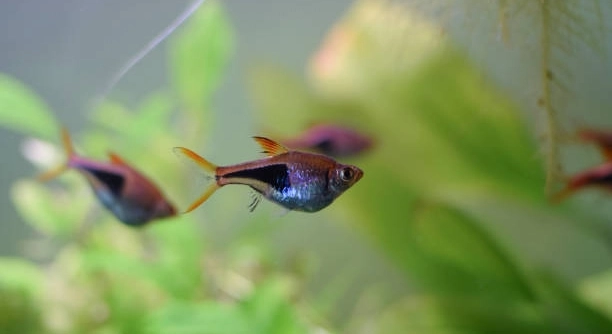
Have you ever watched your rasboras swim and wondered if they’re actually getting along or simply sharing the same tank space?
Rasboras that get along often swim together calmly, show no signs of fin nipping, and maintain a peaceful, synchronized presence in the tank. These behaviors indicate social bonding, typical of well-adjusted fish in a stable group environment.
By learning to spot these simple signs, you’ll better understand their social dynamics and feel more confident in managing their care.
Signs of Harmony in Rasbora Groups
Rasboras are naturally social fish that do best in groups. When they are comfortable and getting along, they tend to swim in loose schools. You might notice them gliding peacefully together, often turning and moving in unison. Their colors appear vibrant, and they won’t hide or dart away frequently. They may show interest in exploring different areas of the tank, staying close to one another without showing signs of stress. When feeding, rasboras that get along usually eat calmly side by side. They don’t chase each other aggressively or nip fins. If their environment is well-maintained with enough space, plants, and stable water conditions, they’re more likely to stay peaceful. Group behavior is key—when rasboras behave naturally, it’s a good sign they’re bonded.
Fish that swim alone or chase others constantly might be showing signs of tension. That often means the group dynamic needs attention or adjustments.
Creating a calm, consistent environment encourages natural behavior and reduces the chance of territorial behavior or stress. Watching their behavior during feeding, rest, and activity times can help you spot when they’re not comfortable or need changes to their setup. Being able to recognize subtle shifts in their social habits will help keep them healthy.
What to Watch Out For
Aggressive chasing, hiding, or faded coloring could signal issues. Rasboras that are not getting along might avoid the group or act restless.
Poor group behavior often comes from limited space, incorrect water parameters, or an unbalanced number of fish. Rasboras need space to school naturally. A tank that’s too small or too crowded may lead to stress and tension. Keep their environment stable by checking water temperature, pH, and ammonia levels. Group size matters—rasboras thrive in schools of at least six, but more is often better. An uneven number or too few tank mates may cause anxiety. If aggression appears, consider rearranging tank decorations to break up territories. A varied diet and proper lighting also contribute to their overall well-being. Look closely at their daily routines—aggressive behavior, dull coloration, or hiding are all signs that something might be off. Making small changes in their care can improve how they interact and restore peace to the group.
How Environment Affects Behavior
A calm, balanced environment supports healthy social behavior in rasboras. Proper lighting, steady water temperature, and quiet surroundings help reduce stress. When rasboras feel safe, they are more likely to swim together and interact peacefully within their group.
An overcrowded tank or harsh lighting can disturb their normal behavior. Rasboras enjoy low to moderate light and appreciate hiding spots like plants or driftwood. Too much noise or sudden movements near the tank can startle them, making them hide or scatter. Consistency matters—fluctuating temperatures or irregular maintenance routines can affect their mood and behavior. Keep your tank clean and test water conditions regularly. Rasboras respond positively to predictability. When they know what to expect from their surroundings, they become more relaxed and sociable. Tank mates matter too—choose peaceful species that won’t bully or outcompete them. A peaceful environment builds trust among the group and helps rasboras bond over time.
If rasboras seem nervous or isolate themselves, look at the tank setup first. Bright lights, strong water currents, or loud surroundings could be causing discomfort. Small adjustments like adding live plants, switching to softer lighting, or even repositioning the tank away from traffic can bring noticeable changes. A peaceful space gives rasboras the confidence to swim freely and interact.
Feeding Time Behavior
Rasboras that are getting along usually eat without competing or chasing each other. They swim calmly toward the food and stay close to one another during feeding. A peaceful feeding session is a sign of group comfort and balance.
Pay close attention when feeding. If one or two rasboras are pushing others away or rushing aggressively toward the food, that may be a sign of imbalance. Uneven feeding behavior could also come from food not being spread out well. Try gently sprinkling food across the water to give everyone a fair chance to eat. Keep feeding consistent—offer small amounts two or three times a day to avoid overcrowding and panic. Feeding should feel relaxed. Rasboras may dart quickly at first but then settle into a smooth rhythm. Over time, they learn that food comes regularly, which encourages cooperative behavior. Watching how they eat can show you a lot about their comfort and social structure.
How Rasboras Rest Together
At rest, peaceful rasboras stay near one another without showing stress. They may hover in place or drift slowly near plants. Their fins stay relaxed, and they won’t dart away unless startled.
If rasboras sleep far apart or stay hidden, it could signal stress or poor group dynamics. Comfortable fish rest calmly in open areas.
Changes to Watch For
Sudden changes in swimming patterns or group behavior may mean something’s wrong. If a rasbora starts hiding often, chases others, or stops schooling, it might be reacting to stress, illness, or a shift in the tank environment. Monitor these changes closely, as they often signal early problems before health declines.
When to Intervene
If peaceful behavior suddenly shifts, it’s best to check water quality, tank setup, and group size before it affects the whole group.
FAQ
How many rasboras should I keep together to ensure they get along?
Rasboras are schooling fish and do best in groups of at least six. Smaller groups may lead to stress and aggression as they rely on numbers for social comfort. A larger group encourages natural schooling behavior and reduces territorial disputes.
What are common signs that rasboras are not getting along?
Look for chasing, fin nipping, or constant hiding. Aggressive darting or one fish consistently isolating itself can signal tension. Faded colors and loss of appetite often accompany stress from poor group dynamics.
Can tank size affect how well rasboras get along?
Yes. A tank that is too small limits swimming space and can increase aggression. Rasboras need room to school comfortably and hide when needed. A tank of at least 20 gallons is recommended for a small group.
Does water quality influence their behavior?
Absolutely. Poor water quality causes stress, which affects social behavior. Stable temperature, pH, and clean water encourage calm and natural interactions. Regular testing and maintenance are essential for peaceful groups.
How can I reduce aggression if rasboras start fighting?
First, check for overcrowding or incompatible tank mates. Rearranging plants and decorations can break up territories. Feeding more frequently in small amounts may reduce competition. Sometimes adding more rasboras helps spread aggression across a larger group.
Do different rasbora species behave differently in groups?
Yes. Some species are more peaceful, while others may be more active or territorial. Knowing your species’ social needs helps create a compatible group and promotes harmony. Research your specific rasbora type before adding them together.
What role does diet play in their social behavior?
A varied, nutritious diet keeps rasboras healthy and less aggressive. Hunger can cause stress and competition during feeding. Offering balanced foods like flakes, frozen or live small insects helps maintain their health and calm temperament.
How often should I observe my rasboras to ensure they are getting along?
Daily observation is best, especially during feeding and resting times. Early detection of aggressive or withdrawn behavior helps you address issues before they worsen. Keeping a regular schedule makes it easier to notice subtle changes.
Can lighting affect how rasboras interact?
Yes. Rasboras prefer low to moderate lighting. Too bright lighting can cause stress and hide their natural behaviors. Providing shaded areas with plants allows them to feel secure and supports peaceful schooling.
Is it normal for rasboras to have occasional disagreements?
Minor displays of dominance or chasing happen occasionally, but they should not be constant or damaging. Persistent aggression requires intervention, but brief interactions are part of natural social hierarchy establishment.
Should I separate aggressive rasboras immediately?
If aggression is severe and causing injury, separating fish is necessary. However, sometimes adjusting the environment or group size first can solve problems without isolation. Monitor carefully to decide the best approach.
What tank mates are compatible with rasboras?
Peaceful, small fish that occupy different tank levels work best. Avoid large or aggressive species that may bully or stress rasboras. Examples include small tetras, Corydoras catfish, and small peaceful gouramis.
How do I introduce new rasboras to an existing group?
Add new fish gradually, ideally in a quarantine tank first. Introduce them during feeding or when the tank lights are dimmed to reduce stress. Watch carefully for signs of bullying or exclusion and be ready to separate if needed.
Can stress from moving or water changes affect their social behavior?
Yes. Sudden changes in environment can cause temporary stress, leading to hiding or aggression. Perform water changes carefully and keep conditions stable to minimize impact on their social interactions.
What is the best way to encourage schooling behavior?
Keep a consistent group size of at least six, provide ample swimming space, and maintain stable tank conditions. Gentle water flow and hiding spots encourage natural movement and togetherness in the group.
These answers cover many common concerns about rasbora social behavior. Observing your fish closely and maintaining a stable, comfortable environment are key to keeping them happy and getting along well.
Final Thoughts
Understanding how rasboras interact is important for maintaining a healthy aquarium. These small fish thrive in groups where peace and harmony are present. Watching their behavior carefully helps you notice when things are going well and when there might be problems. Rasboras that swim together calmly, eat without stress, and rest near each other show signs of a balanced social group. By paying attention to these simple behaviors, you can provide better care and create a more enjoyable environment for your fish.
Creating the right environment is key to helping rasboras get along. Proper tank size, clean water, and suitable tank mates all influence how these fish behave. A well-maintained tank with enough space encourages natural schooling and reduces stress. Consistent water conditions and gentle lighting help rasboras feel safe and comfortable. Adding plants and decorations gives them places to rest and hide when needed. These factors work together to support healthy relationships among your fish. When you provide these conditions, rasboras are more likely to stay peaceful and active.
If you notice signs of aggression or stress, it’s important to act quickly. Changes in behavior can result from overcrowding, poor water quality, or an unbalanced group size. Adjusting tank setup, feeding routines, or group numbers can often improve the situation. Monitoring your rasboras regularly allows you to catch issues early before they harm the fish. With patience and care, you can maintain a peaceful community where rasboras thrive and show their natural, calm behavior. This not only benefits the fish but also makes your aquarium more rewarding to watch and enjoy.

Hello,
If you enjoy the content that we create, please consider saying a "Thank You!" by leaving a tip.
Every little bit helps us continue crafting quality advice that supports the health, happiness, and well-being of pets around the world, for pets of all shapes, sizes, and species.
We really appreciate the kindness and support that you show us!