
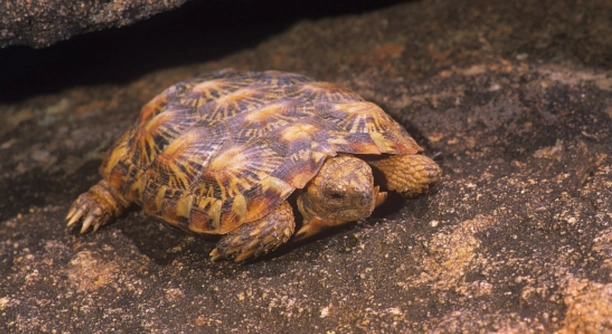
Tortoise shell rot is a serious condition that affects your pet’s health. It’s important to spot the early signs so you can take quick action. Understanding these early warning signs will help ensure your tortoise stays healthy and happy.
The first signs of tortoise shell rot include swelling, soft spots, discoloration, and foul odor from the shell. These symptoms indicate a potential infection or injury. Prompt treatment is essential to prevent further damage and ensure your tortoise’s well-being.
Taking the right steps early on can prevent further damage and ensure your tortoise’s recovery.
What Causes Tortoise Shell Rot?
Tortoise shell rot is typically caused by poor habitat conditions, such as excessive moisture, dirty living spaces, or lack of proper temperature control. Bacteria can thrive in these environments, leading to infection. Physical injury, such as a crack or a scratch on the shell, can also allow bacteria to enter, causing rot. Without prompt treatment, this condition can become severe and affect the tortoise’s overall health. Keeping a clean and dry environment for your tortoise can prevent many of these issues. Be sure to inspect the shell regularly for any signs of damage or infection.
Infection from bacteria is the most common cause of tortoise shell rot. It thrives in unclean environments and gets into the shell through cracks or cuts. Maintaining proper hygiene and shell care can reduce the risk of rot significantly.
A tortoise’s shell serves as protection, and when it is compromised, it becomes susceptible to infection. Keeping your tortoise in a well-maintained environment is essential for their health. Regularly clean their habitat and ensure they have access to the right conditions to thrive. Proper diet and hydration are also key to preventing shell issues.
7 Warning Signs of Tortoise Shell Rot
The most common warning signs of shell rot include changes in the shell’s texture, soft spots, swelling, and a foul smell. If the shell begins to feel mushy or looks discolored, this is an indication that rot may be setting in. Other signs include visible lesions or sores on the shell. Always check your tortoise’s shell regularly for these changes, as early detection can make a big difference in the treatment process. If you notice any of these signs, it’s crucial to act quickly to prevent further damage to the shell.
Changes in color, texture, and softness are the first signs of shell rot. If you notice any of these changes, it’s important to address the issue as soon as possible.
Your tortoise’s shell is a key indicator of its health, so regularly checking for these early warning signs is important. If you spot any of the listed symptoms, it’s best to consult a vet for proper diagnosis and treatment.
How to Prevent Tortoise Shell Rot
The best way to prevent shell rot is by maintaining a clean, dry habitat. Ensure the living space is free from standing water and that your tortoise’s shell is kept dry at all times. Use a proper substrate to avoid excess moisture and provide consistent temperature control.
Provide a clean, dry environment for your tortoise, as this reduces the risk of infection. Be mindful of humidity levels and temperature fluctuations, which can create conditions for bacteria to thrive. Regularly clean the enclosure, and ensure your tortoise has access to a proper basking area. Keep your tortoise’s shell dry, especially after bathing.
Monitoring the health of your tortoise’s shell is essential. Regularly check for any cracks, soft spots, or discoloration, which could indicate the early signs of rot. By preventing moisture buildup and maintaining a clean environment, you can reduce the chances of shell rot and support your tortoise’s health.
Treatment for Tortoise Shell Rot
Treatment begins with thoroughly cleaning the affected area of the shell to remove any debris or bacteria. Applying an antiseptic solution can help prevent further infection. For more severe cases, consult a vet for prescription antibiotics or additional treatments.
Once the area is cleaned, apply an appropriate antiseptic to the affected shell. In some cases, a vet may need to debride the infected area, removing damaged tissue to prevent the spread of bacteria. It’s important to follow through with prescribed treatments and regular checkups.
Healing the shell from rot can take time, depending on the severity of the condition. During this period, it’s crucial to isolate the tortoise to prevent further injury or infection. Make sure they are receiving a proper diet and staying hydrated to support the healing process.
How Long Does It Take for Tortoise Shell Rot to Heal?
Healing time for tortoise shell rot can vary depending on the severity of the infection. Mild cases may take a few weeks, while more severe cases could require months. Consistent treatment and proper care can help speed up the healing process.
It’s important to remain patient while your tortoise heals. The shell is a tough area to repair, and it may take some time before you see significant improvement. During this period, ensure the tortoise’s environment remains optimal for recovery. Regular checkups are necessary to monitor healing progress.
When to See a Vet for Tortoise Shell Rot
If the infection doesn’t improve or worsens despite home care, it’s time to see a vet. Persistent signs like swelling, deep lesions, or foul odor indicate that medical intervention is needed. Prompt attention is crucial to avoid long-term damage to your tortoise’s shell.
A vet will be able to properly assess the severity of the rot and may suggest advanced treatments, such as antibiotics or surgical care. This helps ensure your tortoise’s shell heals properly without complications. It’s best not to wait too long if you notice worsening symptoms.
Preventing Further Rot After Treatment
After treatment, continue monitoring your tortoise closely. Keep its environment clean and dry to avoid future infections. It’s also essential to maintain a balanced diet to boost its immune system. Preventing further shell rot relies on ongoing care and prevention.
FAQ
How can I tell if my tortoise has shell rot?
Look for signs such as soft or mushy spots on the shell, unusual discoloration (like yellow, brown, or black spots), swelling, or a foul smell. Cracks or lesions on the shell are also indicators. If you notice any of these symptoms, it’s crucial to take immediate action to prevent further damage.
What causes shell rot in tortoises?
Shell rot is often caused by bacteria, which thrive in moist or dirty environments. Injury to the shell, such as cuts or cracks, can also lead to infection. Poor habitat conditions, like excessive humidity, dirty living spaces, or inadequate temperature control, increase the risk of shell rot.
Can I treat shell rot at home?
For mild cases, you can clean the affected area with a gentle antiseptic and apply an antibiotic ointment. However, for severe cases, it’s best to seek professional veterinary care. A vet may need to prescribe antibiotics or perform a surgical procedure to treat deep infections.
How long does it take for shell rot to heal?
Healing time depends on the severity of the infection. Mild cases can heal within a few weeks, while severe cases may take months. With consistent treatment and a proper environment, healing can be faster. Always follow the vet’s instructions for the best results.
Can shell rot be prevented?
Yes, keeping your tortoise’s environment clean, dry, and at the right temperature helps prevent shell rot. Regularly check for cracks or injuries on the shell and take immediate action if you find any damage. Avoid excessive moisture and provide a proper basking area to help your tortoise stay healthy.
Should I isolate my tortoise with shell rot?
Yes, isolating your tortoise while it heals is crucial to prevent further injury or infection. This will allow you to control its environment, ensuring it remains clean and free from additional bacteria. It also reduces the risk of other animals coming into contact with the infection.
Can shell rot affect my tortoise’s overall health?
If left untreated, shell rot can lead to severe health issues, including bone infections or deformities. It can also affect the tortoise’s ability to move properly and impact its immune system. The sooner you treat the infection, the better the chances of a full recovery.
Is it necessary to visit a vet for shell rot?
While mild cases may be treated at home, it’s highly recommended to consult a vet if the condition worsens. A vet can offer a proper diagnosis and treatment plan, especially for more advanced cases where antibiotics or surgical care might be required.
Can shell rot spread to other tortoises?
Yes, if you have more than one tortoise, shell rot can spread, especially if the tortoises are housed in the same environment. It’s important to separate infected tortoises to prevent cross-contamination and to disinfect their living space thoroughly.
What are some long-term effects of shell rot?
If shell rot is severe or left untreated, it can lead to permanent damage to the shell, causing deformities or weakening. In extreme cases, untreated infections can cause bone damage and affect your tortoise’s overall mobility and health.
Can shell rot occur in all types of tortoises?
Yes, shell rot can affect all species of tortoises, but some breeds may be more susceptible due to their environment or health conditions. Keeping their living space clean, dry, and properly maintained is crucial for all tortoises, regardless of breed.
Is shell rot contagious to humans or other pets?
No, shell rot is caused by bacteria that specifically affect tortoises. It is not contagious to humans or other pets. However, proper hygiene and cleanliness should always be practiced when handling your tortoise to prevent the spread of any bacteria.
What should I do if I see a large wound on my tortoise’s shell?
If you notice a large wound, clean the area with a mild antiseptic, and if the wound is deep or doesn’t show signs of healing, consult a vet immediately. A large wound could lead to infection and potentially develop into shell rot if not properly treated.
How can I maintain a healthy environment for my tortoise?
Regularly clean the enclosure and remove any feces or wet bedding to prevent bacterial growth. Maintain the correct humidity levels and provide proper basking areas to ensure your tortoise is exposed to the right temperatures. A balanced diet and fresh water are also essential for overall health.
Can I use a DIY treatment for shell rot?
While some home remedies may help with minor cases, it’s best to rely on professional care for serious infections. Over-the-counter treatments or DIY methods can sometimes worsen the condition. Consulting a vet ensures your tortoise gets the correct treatment to prevent further damage.
Final Thoughts
Shell rot in tortoises is a serious condition that requires prompt attention. If you notice any signs of shell rot, it’s important to address the issue right away to prevent further damage. The sooner you catch the problem, the easier it is to treat. Regular monitoring of your tortoise’s shell and environment is essential to keep your pet healthy. A clean, dry, and well-maintained habitat plays a huge role in preventing shell rot from developing in the first place.
Treating shell rot often involves a combination of home care and veterinary intervention. While minor cases can be managed at home with proper cleaning and care, severe cases will need professional medical attention. A vet can provide the necessary treatments, such as antibiotics or even surgery, depending on how bad the infection is. Taking your tortoise to the vet for a thorough examination ensures the best possible outcome for recovery. It’s also helpful to follow any advice from the vet regarding long-term care and prevention.
Prevention is always better than cure, and maintaining a healthy environment for your tortoise is the key. Make sure the living space is free from excess moisture and bacteria, and keep your pet’s shell clean. Regular checkups, a balanced diet, and proper care will help your tortoise stay strong and avoid infections like shell rot. By staying attentive to your tortoise’s needs and environment, you can ensure a long and healthy life for your pet.

Hello,
If you enjoy the content that we create, please consider saying a "Thank You!" by leaving a tip.
Every little bit helps us continue crafting quality advice that supports the health, happiness, and well-being of pets around the world, for pets of all shapes, sizes, and species.
We really appreciate the kindness and support that you show us!