
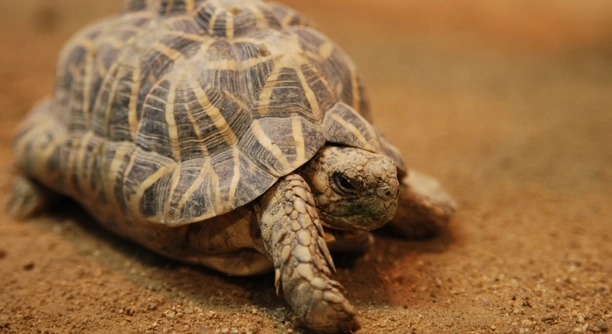
Indian star tortoises are fascinating creatures, but like any pet, they can experience health issues. Being aware of early signs of illness is important for their well-being. This guide will help you identify these signs early.
The early signs of illness in Indian star tortoises include changes in behavior, appetite, and physical appearance. Look for lethargy, weight loss, or abnormal shell color and texture. Monitoring these signs can prevent more serious health concerns.
By recognizing these symptoms early, you can ensure your tortoise receives timely care. Understanding the signs helps prevent complications and supports your pet’s long-term health. Keep reading for tips on maintaining a healthy and happy tortoise.
Recognizing Behavioral Changes in Your Indian Star Tortoise
One of the first signs of illness in Indian star tortoises is a noticeable change in their behavior. If your tortoise becomes unusually lethargic, spends more time hiding, or stops moving around as much, these could be indicators of stress or illness. Tortoises are typically active creatures, and a sudden drop in activity levels may point to something wrong. A decrease in social interaction, such as avoiding contact with their habitat mates or hiding in corners, could also be a sign of distress. These behavioral changes should not be ignored, as they can signal a range of health issues, including dehydration or an infection.
Physical changes also accompany behavioral shifts. A lack of movement could mean your tortoise is feeling weak, possibly due to a nutritional imbalance or internal problem. Keep an eye out for changes in posture as well—if your tortoise appears to be moving awkwardly or having difficulty standing, it may be suffering from a joint issue or other discomfort. It’s essential to note that these symptoms, when noticed early, can be treated with proper care and intervention.
Changes in Eating Habits
If your Indian star tortoise starts to lose interest in food or shows a sudden decrease in appetite, it may indicate an issue.
A tortoise’s eating habits provide key insights into its health. A sudden drop in appetite could signal stress, digestive problems, or an infection. Tortoises need a balanced diet to stay healthy, so if they refuse to eat their usual meals or show a marked change in feeding behavior, it’s crucial to investigate further. Sometimes, this may be linked to environmental factors like temperature fluctuations or an unsuitable diet. However, persistent lack of appetite or refusal to eat should not be overlooked.
Tortoises that are refusing food for several days may be suffering from digestive issues, such as parasites or impaction. Impaction can occur when they ingest unsuitable materials, like sand or dirt, which blocks their digestive system. If left untreated, this can become serious. If your tortoise’s appetite continues to decline, consult a veterinarian for a proper diagnosis and treatment plan.
Observing Physical Signs of Illness
Physical signs of illness in Indian star tortoises are often visible and can serve as early warnings.
Visible changes in your tortoise’s shell can indicate health problems. If you notice cracks, soft spots, or discoloration on the shell, this could be a sign of infections or calcium deficiencies. In some cases, shell rot or fungal infections may cause the shell to soften, weaken, or change color. You should also pay attention to the skin of your tortoise—dry, flaky, or swollen skin can indicate dehydration or external parasites.
Another physical symptom is swelling, especially around the eyes, limbs, or the neck area. Swollen eyes may be a result of respiratory infections, while swollen limbs could suggest a vitamin deficiency or an infection. While some physical symptoms may be relatively minor, they should always be taken seriously. Early detection of such signs allows for more effective treatment, so monitor your tortoise’s physical condition regularly. If any of these changes are noticed, seek veterinary advice immediately.
Check for Respiratory Issues
Respiratory problems are common in tortoises and can appear as labored breathing or nasal discharge.
You might notice your tortoise breathing with difficulty or making wheezing noises, which are clear signs of respiratory distress. This can occur due to infections, cold temperatures, or improper humidity levels in the habitat. It’s important to address these issues early, as respiratory infections can worsen and lead to more severe health problems. Another indicator is a runny nose or mucus around the nostrils. This could point to an upper respiratory infection, which needs immediate attention.
A tortoise with respiratory issues may also appear lethargic and lose interest in food. They may stop basking and hide in their shell more often. If these symptoms persist for more than a couple of days, it’s vital to consult a veterinarian to determine the exact cause. Left untreated, respiratory infections can damage the lungs and other organs, leading to long-term health problems.
Keep an Eye on Shell Health
Your tortoise’s shell is a crucial part of its health and can reveal several signs of illness.
A healthy shell should be hard, smooth, and free of cracks or deformities. If you notice any soft spots or cracks, this may indicate nutritional deficiencies, dehydration, or even infection. These issues can occur when your tortoise is not receiving enough calcium or vitamin D3, both essential for shell health. Regular exposure to UVB light and a balanced diet are key to preventing these problems.
In addition to cracks or soft spots, discolored or dull patches on the shell can signal a fungal infection or an issue with diet. If your tortoise’s shell starts to peel or flake, this could be a result of an untreated infection, lack of hydration, or improper care. Ensuring a proper diet and a suitable habitat with appropriate temperature and humidity levels can prevent these issues. If shell problems persist, it’s essential to seek veterinary assistance as soon as possible to avoid complications.
Monitor Hydration Levels
Proper hydration is essential for the health of Indian star tortoises. If they are not drinking enough, it can lead to serious problems.
Dehydration can manifest as lethargy, sunken eyes, and dry skin. If your tortoise isn’t drinking enough water, it may become weak and less active. Providing a shallow dish of fresh water at all times is crucial. You can also offer moistened vegetables to help with hydration. Always make sure the water is clean to prevent infections.
Regularly check for signs of dehydration by gently pressing your tortoise’s skin. If it doesn’t return to its normal position quickly, dehydration may be present. Ensuring proper hydration is one of the easiest ways to support your tortoise’s health.
Look for Abnormal Poop
Abnormal stools can be an indication of digestive issues in tortoises.
If you notice runny, foul-smelling, or undigested food in your tortoise’s feces, it’s a sign that something isn’t right. This can occur due to improper diet, infections, or parasites. Watch for a change in the frequency and consistency of droppings. In some cases, the presence of mucus or blood in the stool may signal a more serious issue, such as gastrointestinal distress.
Addressing digestive problems early can prevent dehydration and malnutrition. Ensure your tortoise’s diet is balanced and appropriate for its needs. If stool issues persist, consider seeking advice from a veterinarian to rule out internal parasites or infections. Regular monitoring of your tortoise’s feces can help catch problems early and prevent long-term health complications.
Check for Swelling and Infections
Swelling in the limbs, eyes, or neck is another sign that something may be wrong.
Swollen areas often indicate infection or inflammation caused by injury, poor diet, or illness. Monitor your tortoise’s body for any abnormal swelling, particularly around the eyes or legs. Swollen eyes can be caused by a respiratory infection, while swollen limbs can suggest vitamin deficiencies or more serious issues like abscesses.
If you notice any swelling, it’s important to evaluate the overall health of your tortoise, considering other symptoms like changes in appetite or behavior. If swelling doesn’t go down in a couple of days or worsens, it’s best to consult with a vet. Early intervention can prevent the condition from escalating.
FAQ
How do I know if my Indian star tortoise is sick?
The first signs of illness in Indian star tortoises often include changes in behavior, such as lethargy, lack of appetite, or unusual hiding. You may also notice physical symptoms like a discolored shell, swelling, or labored breathing. If any of these signs persist for more than a day or two, it’s important to consult a veterinarian for a proper diagnosis.
What should I do if my tortoise isn’t eating?
If your tortoise refuses food, it could be due to stress, illness, or environmental issues. Check the temperature and humidity of their habitat to ensure they are in the proper range. If environmental factors seem fine, consider whether they are stressed by changes in their surroundings. If the problem continues, it’s best to consult with a vet.
How can I prevent my tortoise from getting sick?
To keep your tortoise healthy, make sure it has a proper diet, including leafy greens, fresh vegetables, and high-quality tortoise pellets. They also need a clean habitat with proper lighting and temperature regulation. Regular hydration, appropriate UVB exposure, and a well-maintained environment are key factors in preventing illness.
Can dehydration make my tortoise sick?
Yes, dehydration can lead to several health problems, including lethargy, dry skin, and more severe issues like organ failure if left untreated. Make sure your tortoise has constant access to fresh water, and consider offering hydrated vegetables to boost hydration levels. If signs of dehydration are noticed, increase water availability and monitor closely.
What are the signs of respiratory infections in tortoises?
Common signs of respiratory infections in tortoises include wheezing, labored breathing, nasal discharge, and swollen eyes. Respiratory issues can be triggered by environmental factors like improper temperature or humidity, or they can be caused by bacterial infections. If your tortoise shows any of these symptoms, consult a vet for treatment options.
How can I tell if my tortoise’s shell is unhealthy?
An unhealthy shell may appear discolored, soft, or cracked. Shell rot, fungal infections, and calcium deficiencies can cause these issues. A healthy shell should be hard, smooth, and free of any visible damage. Regular checks will help catch any shell problems early. If any changes are noticed, it’s important to see a vet.
Why is my tortoise’s skin so dry?
Dry skin can be a sign of dehydration, poor humidity levels, or a lack of proper care. Make sure your tortoise’s habitat has the correct humidity level and provide a shallow water dish for hydration. Additionally, misting your tortoise with water can help maintain moisture levels. If dryness persists, seek veterinary advice.
What should I do if my tortoise has swollen eyes?
Swollen eyes are often caused by respiratory infections or eye injuries. Ensure your tortoise is in a properly regulated environment and check for signs of other illness. If the swelling doesn’t improve in a few days or worsens, take your tortoise to the vet to rule out infection or injury.
How do I treat an infected tortoise shell?
If your tortoise’s shell is infected, it may require veterinary attention. Shell infections are often treated with medications or topical ointments. In some cases, a vet might need to remove dead tissue. Proper cleaning and disinfecting of the shell, along with adequate calcium and UVB exposure, are important for recovery.
How can I help my tortoise maintain a healthy diet?
A healthy diet for your tortoise should include a variety of fresh greens, vegetables, and fruits. Avoid feeding them too much fruit as it can lead to digestive issues. Supplement their diet with high-quality tortoise pellets, and ensure they have access to calcium, which is essential for shell health. Regularly providing fresh, clean food is essential for their long-term health.
How do I spot signs of parasites in my tortoise?
Signs of parasites in tortoises include unusual feces, weight loss, and lethargy. In some cases, you may notice visible worms in the stool. If your tortoise exhibits these symptoms, it’s important to take them to a vet for stool analysis and proper treatment. Regular deworming is also recommended for overall health.
Final Thoughts
Caring for Indian star tortoises involves more than just providing food and water. Their health is closely linked to their environment, diet, and regular monitoring for signs of illness. These tortoises rely on proper UVB exposure, a balanced diet, and the right habitat conditions to stay healthy. Regular observation can help you catch early signs of illness before they become more serious problems. This proactive approach will ensure that your tortoise lives a long, healthy life.
It’s also important to remember that tortoises are slow to show symptoms of illness, so it’s easy to miss early warning signs. Being attentive to changes in their behavior, eating habits, and physical condition is crucial. Swelling, unusual stool, and lack of energy can be signs that something is wrong. Addressing these symptoms quickly, whether by adjusting their environment or seeking veterinary care, can prevent more severe issues down the line. Regularly checking their hydration levels and shell health will also help keep them in good shape.
Overall, staying informed and aware of the needs of your Indian star tortoise is essential to maintaining its well-being. The more you understand their specific care requirements, the easier it will be to prevent common health problems. By providing the right care and monitoring for signs of illness, you can help your tortoise thrive and live its best life.

Hello,
If you enjoy the content that we create, please consider saying a "Thank You!" by leaving a tip.
Every little bit helps us continue crafting quality advice that supports the health, happiness, and well-being of pets around the world, for pets of all shapes, sizes, and species.
We really appreciate the kindness and support that you show us!