
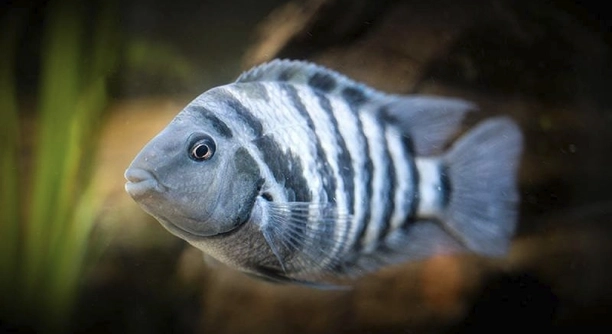
Cichlids are popular aquarium fish known for their vibrant colors and active behavior. Many hobbyists enjoy keeping them but sometimes notice aggressive actions. Recognizing territorial behavior helps maintain peace in a tank and protects all its inhabitants.
Territorial behavior in cichlids is characterized by aggressive guarding of a specific area, chasing away intruders, and displaying dominance through postures or physical confrontations. These actions serve to secure resources like food, mates, and shelter within their environment.
Knowing how to identify these signs early can improve your fish-keeping experience and prevent conflicts that may harm your cichlids. Understanding their behavior supports a healthier and more balanced aquarium environment.
Common Signs of Territorial Behavior
Cichlids show territorial behavior in several clear ways. You might notice them chasing other fish away from a specific spot, often near rocks or plants they claim as their own. These fish can become very aggressive when another cichlid or even a different species comes too close to their territory. They may flare their fins, open their mouths wide, or bob their heads to look bigger and more threatening. Sometimes, you’ll see them digging or rearranging gravel and decorations to mark their space. This behavior usually increases during breeding periods when protecting eggs or fry. Understanding these signs helps you spot tension before it becomes serious and keeps your tank peaceful. Watching your cichlids closely will give you clues about their comfort and stress levels, which is important for their health.
Territorial cichlids tend to pick a favorite area and defend it consistently. This is normal for their species.
Recognizing these behaviors early can help you rearrange the tank or separate aggressive fish if needed. It also helps you provide hiding spots for less dominant fish. With a little effort, your tank can stay balanced and less stressful for all its residents.
How to Manage Territorial Aggression
Sometimes, the best way to manage territorial aggression is by adjusting the environment. Adding more plants, rocks, or decorations creates separate spaces where fish can establish their own areas without feeling threatened. You can also increase the size of the tank if possible, giving each fish more room to swim freely. Introducing fish of similar size but different species may help, as long as they don’t compete for the same territory. Avoid overcrowding, since cramped spaces increase stress and aggression. Observe your fish regularly and be ready to separate the most aggressive ones temporarily if fights get too severe. Feeding your cichlids well and consistently also reduces competition, as hungry fish tend to be more aggressive. With patience and care, managing territorial behavior becomes easier, creating a healthier environment for all your fish.
Setting Up a Suitable Environment
Creating enough hiding spots reduces stress in territorial cichlids. Rocks, plants, and caves give fish safe places to retreat when feeling threatened. This helps lower aggressive encounters.
A well-structured tank encourages natural behavior while minimizing conflict. Arrange decorations so that each fish can claim its own space. Dense planting and multiple caves spread out territories. Avoid large open areas where fish feel exposed and defensive. Also, use rocks or driftwood to create visual barriers that reduce line-of-sight aggression between fish. Proper lighting can support plants and reduce stress by mimicking natural light cycles. Keeping the tank clean and stable with regular water changes prevents irritation that could trigger fights.
Maintaining water quality and temperature within species-specific ranges is also important. Healthy fish tend to be less aggressive and better able to handle stress. By designing a habitat that meets these needs, you promote balance and reduce territorial clashes among your cichlids.
Monitoring Fish Behavior Over Time
Consistent observation reveals patterns in your cichlids’ behavior. Note which fish are most aggressive and when conflicts occur. Tracking this helps predict and prevent problems.
If you see a fish constantly chasing others or defending a spot too fiercely, it might need separation or a larger space. Some aggression is normal, but excessive fighting can harm fish health. Look for signs like torn fins or hiding fish that avoid conflict areas. Behavioral changes often follow tank changes or breeding seasons. Keeping a log of observations allows you to notice triggers and make informed adjustments. Timely action can reduce stress and injuries, improving overall tank harmony. Staying attentive helps you maintain a peaceful environment where all fish thrive.
Choosing Compatible Tank Mates
Selecting the right tank mates can reduce territorial disputes. Avoid species that are too small or passive, as they may become targets. Choose fish with similar size and temperament to keep peace in the tank.
Compatibility helps balance aggression and reduces stress. Mixing cichlids with non-aggressive fish that occupy different tank levels can work well. It’s best to research each species’ behavior before adding them together. Avoid overcrowding, as it often increases fights and stress. A carefully planned community tank supports healthier and happier fish overall.
Feeding to Reduce Aggression
Providing enough food lessens competition and fights. Feed your cichlids regularly and in small amounts throughout the day to keep them satisfied.
Using Barriers and Dividers
Physical barriers or tank dividers can separate aggressive fish. This helps calm tensions when other methods aren’t enough.
FAQ
How can I tell if my cichlid is being territorial or just aggressive?
Territorial behavior focuses on defending a specific area, often where the fish feels safe or is breeding. The fish chases others away from that spot but may be calm elsewhere. Aggression without a clear space being guarded usually shows more random attacks or bullying, often due to stress or overcrowding.
Why do cichlids dig in the gravel?
Digging is a common territorial sign. Cichlids move gravel or rearrange decorations to mark their territory. This behavior also helps prepare a nesting site or create hiding spots. If digging seems excessive, it may be due to stress or boredom.
Can I stop territorial behavior completely?
It’s impossible to eliminate territorial instincts because they are natural. However, you can reduce conflicts by providing enough space, hiding places, and compatible tank mates. Managing the environment and monitoring behavior helps keep aggression at a healthy level.
What should I do if two cichlids are fighting constantly?
If fights cause injury or stress, separate the fish temporarily using dividers or different tanks. Check the tank setup to ensure enough space and hiding spots. Sometimes rearranging the tank decorations breaks up established territories and lowers aggression.
Does feeding affect territorial behavior?
Yes, feeding regularly and in small amounts can reduce aggression caused by competition for food. Hungry cichlids tend to be more territorial. Ensuring everyone gets enough food lowers stress and helps keep peace.
How important is tank size for territorial cichlids?
Tank size is very important. Larger tanks give fish more room to establish their own territories without constant conflict. Small tanks often increase stress and aggression because fish feel crowded. Providing enough space is one of the best ways to manage territorial behavior.
Can certain species of cichlids be more territorial than others?
Yes, some cichlid species are naturally more aggressive and territorial. African cichlids, like those from Lake Malawi, often display strong territorial behavior. Other species may be more peaceful but can still show territorial instincts, especially during breeding.
How do breeding periods affect territorial behavior?
During breeding, cichlids become especially protective of their nests and fry. Aggression usually spikes as they guard eggs or young fish from intruders. This behavior is temporary but intense, so extra care may be needed to protect other tank mates.
What signs show that territorial behavior is harming my fish?
Look for torn fins, bruises, or fish hiding for long periods. Constant chasing and bullying can lead to stress, illness, and sometimes death. If you notice these signs, take steps to reduce aggression quickly.
Is it helpful to rearrange the tank decorations regularly?
Rearranging decorations can disrupt established territories and reduce aggression. It forces fish to adjust and create new spaces. However, avoid doing it too often, as sudden changes can also stress the fish. Balance is key.
How can I create visual barriers in the tank?
Use rocks, plants, and driftwood to break the line of sight between aggressive fish. These barriers help reduce eye contact, which can trigger fights. Dense planting and tall decorations work well for this purpose.
Are there any natural ways to calm territorial cichlids?
Providing a calm environment with stable water parameters, regular feeding, and hiding spots helps. Some hobbyists use dim lighting or gentle background music to reduce stress, though results vary. Avoid sudden changes to keep fish relaxed.
When should I consider separating aggressive cichlids permanently?
If one fish continually injures others or causes severe stress, permanent separation may be needed. Chronic aggression harms all fish in the tank and lowers their quality of life. Always prioritize the health and safety of your cichlids.
Final thoughts on managing territorial behavior in cichlids focus on understanding their natural instincts and creating a balanced environment. Cichlids are known for their strong territorial nature, which is part of how they survive in the wild. This behavior can sometimes cause conflicts in an aquarium, but it is important to remember that it is normal for these fish. By accepting that territoriality is natural, you can better prepare and adjust your tank setup to meet their needs. Providing enough space and hiding spots helps reduce stress and aggressive behavior. Observing your fish regularly allows you to notice when problems start and act before they worsen.
Keeping your tank stable and comfortable is another key factor. Clean water, proper temperature, and good nutrition contribute to healthier fish who are less likely to act out aggressively. Feeding small amounts more often keeps your cichlids satisfied and lowers competition. When territorial behavior becomes too intense, changes such as rearranging the tank, adding decorations, or separating aggressive fish can make a big difference. Each cichlid species has its own temperament, so learning about the specific needs of your fish will guide your decisions. Patience and attention to detail go a long way toward maintaining a peaceful aquarium.
Finally, managing territorial cichlids is an ongoing process that requires care and observation. There will be times when aggression spikes, especially during breeding or if tank conditions change. Being ready to respond by adjusting tank mates, providing barriers, or temporarily separating fish will help protect your aquatic community. Remember, a well-planned environment and good care can keep territorial disputes from becoming harmful. With time, you will better understand your cichlids’ behavior and create a space where all your fish can thrive together peacefully.

Hello,
If you enjoy the content that we create, please consider saying a "Thank You!" by leaving a tip.
Every little bit helps us continue crafting quality advice that supports the health, happiness, and well-being of pets around the world, for pets of all shapes, sizes, and species.
We really appreciate the kindness and support that you show us!