
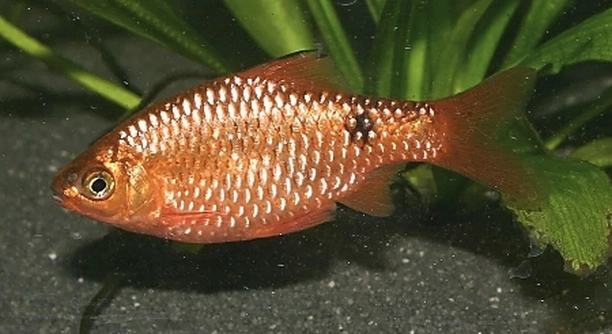
Rosy Barbs are colorful and lively fish often kept in home aquariums. Like all pets, they can show signs when they are tired or stressed. Recognizing these signs early helps maintain their health and wellbeing.
Signs of fatigue in Rosy Barbs include reduced activity, loss of color vibrancy, clamped fins, and slower response to stimuli. These symptoms indicate stress or poor water conditions and require prompt attention to prevent further health decline.
Knowing how to spot fatigue can protect your fish and improve their environment. These simple observations are essential for keeping your Rosy Barbs happy and healthy over time.
Common Causes of Fatigue in Rosy Barbs
Fatigue in Rosy Barbs often stems from poor water quality, improper diet, or overcrowded tanks. These fish need clean, well-oxygenated water with stable temperature to stay healthy. High levels of ammonia, nitrites, or nitrates can quickly tire them out. Overfeeding or feeding the wrong food can also weaken their energy levels. Additionally, stress from aggressive tank mates or sudden changes in environment impacts their vitality. Ensuring the tank is spacious enough and regularly maintained helps prevent these issues. Monitoring water parameters and providing a balanced diet with protein and vegetables supports their energy. Avoiding abrupt changes in temperature or lighting reduces stress. When these factors are controlled, Rosy Barbs are more likely to stay active and display vibrant colors. Regular observation helps detect early fatigue signs linked to these causes, allowing timely action to restore their health.
Water quality and stress are the most frequent causes of fatigue, making tank maintenance crucial.
Preventing fatigue means creating a stable environment for your Rosy Barbs. Consistent water testing and partial water changes keep harmful chemicals low. Providing varied, nutritious food ensures proper energy supply. Limiting tank overcrowding reduces stress and competition for resources. Introducing peaceful tank mates helps maintain calm conditions. Observe your fish daily for any behavior changes, so you can act quickly. Small adjustments in care can make a significant difference in their wellbeing. Remember, a healthy tank means healthy fish, and consistent attention keeps fatigue at bay. Keeping your tank clean and your feeding routine balanced creates the best setting for your Rosy Barbs to thrive.
How to Respond When You Spot Fatigue
If your Rosy Barbs show signs of fatigue, immediate steps can help reverse their condition. First, check water quality and perform a partial water change if necessary. Remove any harmful chemicals or waste buildup that could be stressing the fish. Adjust feeding habits by offering smaller, frequent meals with high-quality food. Avoid overfeeding, which can worsen water conditions. Reduce stress by minimizing loud noises, sudden movements, or aggressive tank mates. Ensure the tank environment is stable, with proper temperature and oxygen levels. If symptoms persist, consider consulting a specialist or testing for illness. Early intervention often leads to faster recovery. Fatigue may signal underlying problems, so addressing it promptly safeguards your fish’s health.
Responding quickly improves the chances of restoring your Rosy Barbs’ energy and vitality.
Taking prompt action is key. Regular water testing helps identify and fix problems before they worsen. Keeping the tank clean and stable reduces stress factors. Adjusting diet improves nutrition and energy levels. Observing tank mates for aggression and separating if needed prevents ongoing stress. If fatigue persists despite these efforts, illness could be the cause. In this case, isolating the affected fish and seeking expert advice is necessary. Maintaining a calm, stable environment combined with good nutrition supports recovery. A proactive approach ensures your Rosy Barbs remain lively and colorful for years to come.
Recognizing Behavioral Changes
Fatigued Rosy Barbs often swim less and hide more than usual. They may stay near the bottom or surface of the tank instead of exploring actively. These subtle changes are important to notice early.
When Rosy Barbs become tired, their normal playful behavior slows down. They may stop chasing food eagerly and seem lethargic. Clamped fins and erratic swimming can also occur. Such behaviors reflect stress or illness, signaling a need for care. Monitoring these changes helps prevent further health issues by allowing quick intervention. Observing your fish daily makes it easier to spot fatigue before it worsens. Simple behavior shifts often indicate bigger problems beneath the surface.
Tracking these behavioral cues is an effective way to monitor fish wellbeing. Immediate response to changes can improve recovery chances. Maintaining routine observations builds familiarity with your fish’s normal activity, making fatigue easier to identify.
Environmental Factors Affecting Fatigue
Water temperature fluctuations stress Rosy Barbs and drain their energy. Keeping a stable temperature between 22°C and 26°C supports their health. Avoid placing the tank near heaters or windows where temperature swings occur.
Low oxygen levels reduce activity and increase fatigue. Proper aeration through filters or air pumps keeps oxygen high. Overcrowded tanks also cause stress and fatigue by limiting space and increasing waste buildup. Limiting the number of fish and ensuring good filtration improves water quality. Regular partial water changes reduce toxins and keep the environment safe. Light levels affect fish as well; too much or too little light can cause discomfort and stress. Adjust lighting to mimic natural day and night cycles. A well-maintained, balanced environment supports energy and vitality in Rosy Barbs, reducing fatigue risk and promoting longevity.
Nutritional Impact on Fatigue
Poor diet can cause fatigue in Rosy Barbs. Feeding only flakes or low-quality food lacks essential nutrients they need to stay energetic.
Including a mix of protein, vegetables, and occasional live food supports their health. A balanced diet strengthens their immune system and reduces tiredness.
Adjusting Feeding Habits
Overfeeding leads to water pollution, which stresses fish and causes fatigue. Feed small amounts once or twice daily, only what they can eat in minutes.
Avoid uneaten food by removing leftovers promptly. This keeps the tank clean and your Rosy Barbs more active and healthy.
Importance of Regular Tank Maintenance
Regular cleaning and water changes prevent toxin buildup that causes fatigue. Test water parameters weekly to maintain safe levels of ammonia, nitrite, and nitrate.
Consistent tank upkeep creates a stable environment where Rosy Barbs can thrive without stress or tiredness, supporting their long-term health.
Signs of Recovery
When fatigued Rosy Barbs begin to swim actively again and show bright colors, they are likely recovering. Gradual improvement is a good sign.
FAQ
How can I tell if my Rosy Barbs are stressed or just tired?
Stress and fatigue in Rosy Barbs often overlap, but fatigue usually shows as reduced activity and dull colors. Stress might include rapid gill movement or hiding. Fatigue is more about lethargy and lack of interest in food or swimming.
What water conditions cause fatigue in Rosy Barbs?
Poor water quality is the main cause. High ammonia, nitrites, or nitrates tire the fish quickly. Sudden temperature changes or low oxygen levels also contribute. Keeping the water clean and stable helps prevent fatigue.
How often should I change the water to prevent fatigue?
A partial water change of 20-30% every week is ideal. This keeps toxins low and water parameters balanced. Overdoing water changes can stress the fish, so stick to a regular but moderate schedule.
Can diet alone fix fatigue in Rosy Barbs?
Diet plays a big role but isn’t the only factor. Feeding high-quality food with protein and vegetables helps energy levels. However, if water quality or tank conditions are poor, diet alone won’t solve fatigue.
Is tank size important for preventing fatigue?
Yes, overcrowding stresses Rosy Barbs and causes fatigue. A tank size of at least 20 gallons for a small group is recommended. More space reduces competition and improves water quality, keeping fish active.
What are common behavioral signs of fatigue?
Lethargy, swimming near the surface or bottom, clamped fins, and reduced feeding are common signs. Fatigued fish often hide and avoid interaction with tank mates.
How quickly can Rosy Barbs recover from fatigue?
Recovery depends on the cause and care given. With proper water changes, diet adjustments, and stress reduction, improvement can be seen in a few days to a week. Persistent symptoms need further attention.
Can fatigue indicate illness in Rosy Barbs?
Yes, fatigue sometimes signals disease. If water quality is good and care is adequate but fatigue remains, consult an expert. Diseases like parasites or bacterial infections cause tiredness.
Should I isolate a fatigued Rosy Barb?
Isolation may help if the fish is bullied or if illness is suspected. Use a quarantine tank to avoid spreading disease and reduce stress. Monitor closely during isolation for changes.
What equipment helps reduce fatigue risks?
Good filtration, air pumps, and heaters with stable temperature control reduce stress and fatigue. Proper lighting simulates natural cycles, promoting fish health.
Can stress from tank mates cause fatigue?
Yes, aggressive or overly active tank mates stress Rosy Barbs, leading to fatigue. Choose peaceful companions and avoid overcrowding to maintain harmony.
How do lighting and environment affect fatigue?
Inconsistent lighting or too much light can stress fish. Mimic natural day-night cycles with timers. Adding plants and hiding spots reduces stress and fatigue.
Is it normal for Rosy Barbs to rest often?
Rosy Barbs do rest, but frequent inactivity or hiding is unusual. Resting should not last long or affect feeding and swimming behavior.
What should I do if fatigue worsens?
Check water quality immediately, reduce feeding, and remove aggressive tank mates. If no improvement occurs, seek advice from a fish health specialist.
Can temperature fluctuations cause permanent damage?
Severe or prolonged temperature swings can weaken immune systems and lead to lasting health problems. Keeping stable temperatures is critical for long-term wellbeing.
Are live foods better for preventing fatigue?
Live foods can boost nutrition and encourage activity. Including live or frozen foods occasionally improves diet variety and fish energy.
How does oxygen level affect fatigue?
Low oxygen makes fish lethargic and tired. Good aeration through filters or air stones keeps oxygen levels healthy and prevents fatigue.
Can I prevent fatigue by overfeeding?
No, overfeeding worsens water quality and stresses fish. Feed small, controlled amounts and remove leftovers promptly to avoid fatigue.
What is the best routine to keep Rosy Barbs energetic?
Maintain clean water with regular changes, feed balanced meals, control tank population, and monitor behavior daily. Consistency in care prevents fatigue.
When is professional help needed?
If fatigue lasts despite good care or other symptoms like spots, sores, or erratic swimming appear, consult a vet or aquatic specialist for diagnosis and treatment.
Final Thoughts
Recognizing signs of fatigue in Rosy Barbs is important for keeping them healthy. These fish rely on a stable and clean environment to stay active and vibrant. When they show signs of tiredness, such as reduced swimming or dull colors, it often points to issues with water quality, diet, or stress. Paying close attention to these signs early can prevent more serious health problems. Simple steps like regular water changes, proper feeding, and monitoring tank conditions can make a big difference in their wellbeing.
Taking care of Rosy Barbs means maintaining a balanced environment. Water temperature, oxygen levels, and tank size all play a role in their energy levels. Avoiding overcrowding and aggressive tank mates helps reduce stress, which is a common cause of fatigue. Feeding them a varied diet with protein and vegetables supports their nutrition and immune system. Keeping everything stable and consistent allows Rosy Barbs to thrive and show their natural bright colors and lively behavior.
Overall, preventing and managing fatigue is about regular care and observation. Routine testing of water parameters, cleaning the tank, and watching your fish’s behavior are key. When fatigue does appear, responding quickly with water changes, diet adjustments, and stress reduction often leads to recovery. If problems persist, consulting a specialist is important to address any underlying illnesses. With proper attention, Rosy Barbs can live healthy, active lives, making them a rewarding addition to any aquarium.

Hello,
If you enjoy the content that we create, please consider saying a "Thank You!" by leaving a tip.
Every little bit helps us continue crafting quality advice that supports the health, happiness, and well-being of pets around the world, for pets of all shapes, sizes, and species.
We really appreciate the kindness and support that you show us!