
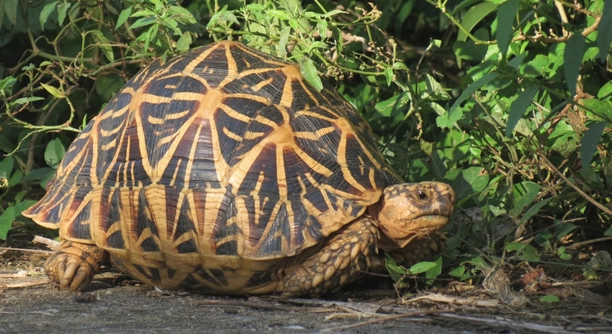
Shell rot in Indian star tortoises is a serious concern. It affects their health and well-being, requiring immediate attention to prevent further complications. Identifying the signs early is crucial for ensuring your tortoise stays healthy.
The primary cause of shell rot in Indian star tortoises is bacterial or fungal infections that damage the shell’s outer layer. Symptoms include soft, discolored patches or foul odor coming from the shell. Treatment varies based on severity.
Knowing the signs and proper fixes will help keep your tortoise safe. Let’s go over the causes and solutions to help you manage shell rot effectively.
What Causes Shell Rot in Indian Star Tortoises?
Shell rot can develop due to poor environmental conditions, poor diet, and lack of proper care. The most common causes include high humidity, dirty living spaces, and improper temperature levels. Additionally, if your tortoise’s shell sustains physical damage, it becomes more vulnerable to bacteria and fungi that lead to shell rot. Bacteria often enter through cracks or soft spots on the shell, multiplying and causing infection. The moist, warm environments are perfect breeding grounds for these harmful microorganisms. Without prompt attention, the infection can worsen, leading to severe health complications for your tortoise.
The key to preventing shell rot is maintaining proper conditions for your tortoise. Ensuring a clean habitat, appropriate humidity, and a balanced diet will lower the risk of infections.
It’s important to monitor your tortoise’s living space and shell condition regularly. Identifying small issues early can help you avoid the more serious outcomes of shell rot, ensuring your tortoise stays happy and healthy.
How to Spot Shell Rot in Indian Star Tortoises
The most noticeable signs of shell rot include discoloration, softness, and unpleasant odors. If you see a patch of the shell turning white, yellow, or even dark brown, it could indicate rotting. A healthy tortoise’s shell should feel firm to the touch, without any softness or spongy areas. An unpleasant smell is often a sign of bacterial or fungal infection. Sometimes, you might notice visible lesions or cracks on the shell as the rot spreads.
Regularly inspecting your tortoise’s shell for these signs can prevent further damage. Early detection will give you a better chance to treat it effectively.
If shell rot is detected, it is critical to remove your tortoise from the source of infection immediately. Cleaning the area thoroughly and applying proper treatment methods can prevent the condition from worsening. Depending on the severity of the rot, you might need to visit a vet for a more detailed diagnosis and treatment.
Fixes for Mild Shell Rot
If your tortoise has mild shell rot, immediate action is essential. Start by cleaning the affected area with a mild antiseptic solution. This will help remove bacteria and prevent the infection from spreading. After cleaning, apply an anti-fungal or antibacterial ointment to the affected areas. Be sure to choose products that are safe for reptiles.
Keep your tortoise in a dry, well-ventilated area to prevent further moisture from causing additional harm. Recheck the shell daily to monitor for any changes. If the rot seems to worsen or doesn’t improve, seek a veterinarian’s advice.
Proper hydration and nutrition are vital for your tortoise’s healing. Make sure they have access to clean water and a diet rich in calcium. The calcium will help strengthen the shell, making it more resistant to infections. Additionally, ensure they have adequate exposure to UVB light to support overall health.
Fixes for Severe Shell Rot
For severe shell rot, it’s best to consult a veterinarian right away. In some cases, surgical intervention may be needed to remove the damaged tissue. The vet might also perform a culture test to identify the specific bacteria or fungus responsible for the infection. This can guide them in prescribing the right treatment plan. In addition to medical treatment, ensure the habitat is kept dry, clean, and properly ventilated to avoid further infections.
Once the infection is under control, it’s important to monitor your tortoise for signs of recovery. This may include more energy, improved appetite, and healthy shell growth. Continue using prescribed medications as directed by your vet, even if the rot appears to be healing. Be patient, as full recovery can take several weeks or months, depending on the severity of the condition.
Preventing Shell Rot
Maintaining proper humidity and temperature levels in your tortoise’s habitat is essential for preventing shell rot. Make sure their environment is not too damp and provides plenty of ventilation. Clean their enclosure regularly to remove waste and bacteria.
Providing a balanced diet rich in calcium and vitamins will strengthen the shell and boost your tortoise’s overall immune system. Additionally, offering a variety of safe, fresh foods helps support their health.
Regular check-ups with a vet are a good idea to catch early signs of issues, ensuring they stay healthy long-term.
Proper Sheltering for Tortoises
A dry, clean shelter with enough space for your tortoise to move around is crucial. Make sure it has proper drainage to avoid water accumulation. Damp areas encourage bacterial and fungal growth, leading to shell rot. You can line their shelter with absorbent materials like newspaper or paper towels, and ensure the enclosure stays clean.
Also, keep the shelter warm but not too hot. High temperatures, combined with excess humidity, can create an environment where rot thrives. Providing a warm, dry space for your tortoise to retreat will help maintain their health.
Treating Shell Rot in Baby Tortoises
Baby tortoises are more susceptible to shell rot than adults due to their developing immune systems. It’s important to keep their living environment extra clean and ensure they have a balanced diet. Avoid excess moisture and always check their shell for soft spots or discoloration.
FAQ
What are the early signs of shell rot in Indian star tortoises?
The early signs of shell rot include soft or mushy areas on the shell, discoloration such as yellow, white, or dark brown patches, and a noticeable smell. These symptoms typically appear after the tortoise has been exposed to damp or dirty conditions. Checking your tortoise’s shell regularly helps you spot these issues before they become severe.
Can shell rot affect the internal health of the tortoise?
Yes, if left untreated, shell rot can affect your tortoise’s overall health. The infection can spread deeper into the shell and reach the internal organs, causing serious complications. Additionally, prolonged shell rot can weaken the tortoise’s immune system, making them more vulnerable to other diseases.
How can I prevent shell rot from developing in the first place?
To prevent shell rot, ensure your tortoise’s living space is clean, dry, and well-ventilated. Regularly remove waste and any moisture from the enclosure. Keep their environment at the right humidity levels, as high humidity can contribute to the growth of bacteria and fungi. Additionally, provide a balanced diet with adequate calcium and UVB exposure to keep their shell healthy.
Is it safe to treat shell rot at home?
For mild cases of shell rot, you can treat it at home by cleaning the affected area and applying a safe antiseptic solution or antifungal ointment. However, if the rot is severe, it’s best to take your tortoise to a vet. The vet can administer more advanced treatments and prevent the infection from worsening.
What should I do if my tortoise refuses to eat after developing shell rot?
If your tortoise refuses to eat, this could be a sign that the infection is affecting its overall health. It’s essential to address the rot quickly. Offer food that’s easy to eat, such as fresh vegetables or fruits, and ensure they stay hydrated. If the lack of appetite continues, consult a vet to rule out other potential issues.
How long does it take for a tortoise to recover from shell rot?
Recovery time can vary depending on the severity of the shell rot. For mild cases, recovery may take a few weeks. For more severe infections, it can take several months. During recovery, make sure your tortoise is kept in a stress-free environment, receives proper nutrition, and continues any prescribed treatments. Regular follow-up visits to the vet are recommended.
Can shell rot spread from one tortoise to another?
Yes, shell rot is caused by bacterial or fungal infections, which can spread from one tortoise to another if they share the same living space. To prevent this, quarantine any tortoises that show symptoms of shell rot. Clean and disinfect the living area thoroughly before allowing other tortoises back inside.
What should I avoid doing when treating shell rot?
Avoid using harsh chemicals or disinfectants not intended for reptiles. These can irritate the tortoise’s skin and worsen the condition. Don’t try to remove the infected shell tissue yourself, as this can cause further damage. Always consult a vet before attempting more invasive treatments, such as debridement.
Can shell rot be completely cured?
Yes, shell rot can be cured if treated promptly and properly. With the right care, your tortoise can fully recover. However, if left untreated for too long, it may cause permanent damage to the shell or even lead to death. Early intervention is key to ensuring a full recovery.
Should I adjust my tortoise’s diet to help with shell rot recovery?
Yes, a diet rich in calcium and other essential nutrients is important for recovery from shell rot. Calcium helps strengthen the shell and supports overall health. Additionally, offering a variety of fresh, nutritious foods can boost the immune system, aiding the healing process.
How do I safely clean my tortoise’s shell during treatment?
Clean the shell gently using a soft cloth and a mild antiseptic solution. Avoid scrubbing too hard, as this can damage the shell. Be sure to dry the shell thoroughly after cleaning to prevent moisture buildup. Apply any prescribed ointments as directed, and check for signs of improvement.
Can stress make shell rot worse in tortoises?
Yes, stress can weaken a tortoise’s immune system, making it harder for them to recover from shell rot. It’s important to keep their environment as calm and comfortable as possible during treatment. Avoid handling them too much, and keep them in a quiet, stress-free space.
Are there any natural remedies for shell rot?
While some natural remedies, like tea tree oil, have antifungal properties, it’s best to consult with a vet before trying them. Over-the-counter treatments are often more effective, and a vet can ensure you’re using the right product to treat your tortoise’s shell rot.
Can shell rot return after treatment?
Yes, shell rot can return if the environmental conditions are not properly maintained or if the tortoise’s shell sustains further damage. Regular checks, clean housing, and consistent care are key to preventing future occurrences of shell rot. Make sure to continue providing proper hydration, nutrition, and UVB exposure.
Final Thoughts
Shell rot can be a serious issue for Indian Star Tortoises, but with the right care, it is preventable and treatable. Ensuring that their living environment remains clean, dry, and properly ventilated is essential to avoiding this condition. A suitable habitat with controlled humidity and temperature levels helps prevent the development of bacteria and fungi, which can lead to shell rot. Regular checks of your tortoise’s shell are important to detect any signs of issues early on.
When shell rot is detected, it’s crucial to take action quickly. Mild cases can be treated at home with the right antiseptic treatments, but severe cases may require professional veterinary care. Timely intervention can prevent further complications and ensure your tortoise makes a full recovery. Additionally, a well-balanced diet that includes the right nutrients, such as calcium and vitamins, will strengthen the shell and boost your tortoise’s immune system. These steps not only help in treating shell rot but also improve the overall health of your tortoise.
Remember, maintaining a healthy living space and offering proper nutrition is the key to a long, healthy life for your Indian Star Tortoise. Regular veterinary visits and consistent care are also necessary to keep shell rot from recurring. By staying attentive to your tortoise’s needs, you’ll help them stay in good health, preventing many common issues, including shell rot.

Hello,
If you enjoy the content that we create, please consider saying a "Thank You!" by leaving a tip.
Every little bit helps us continue crafting quality advice that supports the health, happiness, and well-being of pets around the world, for pets of all shapes, sizes, and species.
We really appreciate the kindness and support that you show us!