
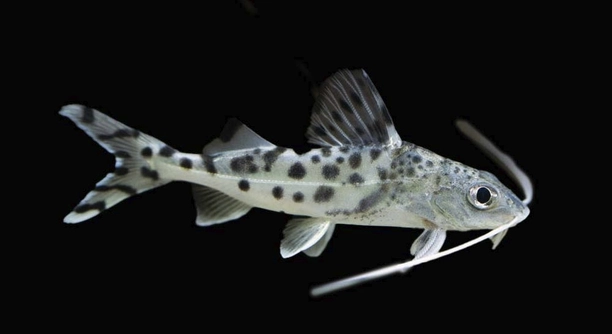
Parasites in Pictus catfish can cause serious health problems if not caught early. Many fish owners may not recognize the subtle signs that indicate a parasite infection. Knowing what to look for can help protect your fish from harm.
Early detection of parasites in Pictus catfish involves observing changes in behavior, physical appearance, and swimming patterns. Look for spots, discoloration, frayed fins, or unusual scratching against objects. Prompt identification is crucial to prevent severe health decline.
Recognizing these signs early improves your chances of effective treatment and keeps your catfish healthy and thriving in its environment.
Common Parasites Affecting Pictus Catfish
Pictus catfish are vulnerable to several parasites, including Ich, flukes, and anchor worms. Ich, or white spot disease, shows as tiny white spots on the fish’s body and fins. Flukes are small flatworms that attach to the skin or gills, causing irritation and difficulty breathing. Anchor worms appear as small, thread-like worms protruding from the skin and can cause redness and swelling around the affected area. These parasites thrive in poor water conditions and overcrowded tanks. Regular tank maintenance and water testing can reduce the risk of infection. Knowing these parasites and their signs helps catch infections early, reducing stress and damage to your fish. Proper quarantine practices for new fish also help prevent introducing parasites to your tank. Monitoring your Pictus catfish regularly allows you to spot changes and act quickly to maintain their health.
Maintaining clean water and healthy conditions is key to preventing parasite outbreaks in your tank.
Early treatment of these parasites involves specific medications and sometimes changes in water conditions to stop their spread.
How to Identify Early Signs of Parasites
Early signs of parasites often include behavioral changes such as lethargy or rapid gill movement. Physically, the fish may show faded colors, rubbing against tank surfaces, or clamped fins. Some parasites cause visible spots or sores. Observing these subtle shifts helps catch infections before they worsen.
To identify parasites early, closely watch your fish for unusual behavior and physical changes. Frequent, detailed inspections reduce the chance of missing early symptoms. Keep a log of any changes you notice to track the fish’s condition over time. Water quality tests are essential since poor conditions increase parasite risks. If you spot suspicious signs, isolate the affected fish and consult a veterinarian or trusted aquarium guide for the best treatment options. Early diagnosis and intervention improve recovery chances and help protect other fish in your tank. Regular tank maintenance combined with careful observation creates a safer environment and promotes long-term health for your Pictus catfish.
Preventing Parasite Infections in Pictus Catfish
Good tank hygiene is essential to prevent parasites. Regular water changes and cleaning the substrate reduce harmful bacteria and parasite eggs. Avoid overcrowding to minimize stress and the spread of disease. Quarantining new fish before adding them to the tank helps prevent parasite introduction.
Controlling water quality by testing parameters like pH, ammonia, nitrites, and nitrates keeps your tank stable and safe. Using a reliable filtration system also helps maintain cleanliness and oxygen levels. Remove uneaten food promptly, as it can decompose and harm water quality. Balanced feeding supports the fish’s immune system, making them less vulnerable to parasites. Maintaining these habits consistently lowers the chances of infection and keeps your Pictus catfish healthier.
Be aware of your tank’s environment and make adjustments quickly when needed. Prevention is the best approach to keep parasites at bay.
Effective Treatments for Parasites in Pictus Catfish
Medications such as praziquantel, formalin, and copper-based treatments are commonly used to treat parasites in Pictus catfish. The choice depends on the specific parasite involved and the severity of the infection. Always follow dosage instructions carefully to avoid harming the fish. Treatment usually requires isolating the affected fish in a hospital tank to control medication levels and reduce stress on other tank mates.
Some parasites respond well to salt baths or temperature adjustments, but these methods must be applied cautiously to avoid further stress. Monitoring the fish’s response during treatment is crucial to ensure recovery. After treatment, continue water quality maintenance and observation to prevent reinfection. Proper treatment combined with good tank care can restore your fish’s health and prevent future outbreaks.
Quarantine Procedures for New Fish
Quarantining new fish prevents parasites from entering your main tank. A separate tank allows observation for signs of illness. This step protects your established fish population.
The quarantine period usually lasts two to four weeks. During this time, monitor water quality and fish health closely. Treat any signs of parasites immediately.
Monitoring Your Pictus Catfish Regularly
Consistent observation helps detect early parasite signs. Watch for changes in behavior, appearance, and swimming patterns. Regular checks increase your chances of catching infections before they worsen.
Using Natural Remedies
Some aquarists use natural remedies like garlic or aquarium plants to help prevent parasites. These methods may support overall fish health but should not replace proper treatment.
Maintaining a Stress-Free Environment
Stress weakens your catfish’s immune system, making parasites more likely. Keep tank conditions stable and avoid sudden changes to reduce stress.
FAQ
How can I tell if my Pictus catfish has parasites?
Look for physical signs like white spots, redness, or sores on the skin and fins. Behavior changes such as scratching against surfaces, lethargy, or rapid breathing can also indicate parasites. Early detection relies on close observation and knowing your fish’s normal behavior.
What should I do if I find parasites on my Pictus catfish?
Isolate the affected fish immediately to prevent spreading parasites. Test your water quality and treat the tank with appropriate medication based on the parasite type. Follow dosing instructions carefully, and continue monitoring your fish’s response throughout treatment.
Are parasites always visible on the fish?
No, some parasites like flukes or internal worms may not be visible without a microscope. Behavioral changes and health decline are often the first clues. Regular health checks and good tank maintenance help catch hidden infections.
Can I prevent parasites by improving tank conditions?
Yes, maintaining clean water, stable temperature, and proper filtration greatly reduces parasite risks. Avoid overcrowding and overfeeding. Healthy fish are more resistant to infections, so consistent care is essential.
How long does it take to treat parasites?
Treatment length depends on the parasite and severity of infection. Some cases require just a few days, while others may need several weeks of medication and observation. Patience and careful follow-up are important for full recovery.
Is quarantine really necessary for new fish?
Yes, quarantining new fish helps prevent introducing parasites to your main tank. Observing new arrivals for two to four weeks allows you to catch infections early and avoid risks to your established fish.
Can natural remedies replace medication?
Natural remedies like garlic may support fish health but are not reliable treatments for parasites. Proper medications prescribed for specific parasites are necessary to clear infections effectively.
What if my Pictus catfish continues to show symptoms after treatment?
If symptoms persist, review water quality and treatment methods. Consider consulting a veterinarian or experienced aquarist for advice. Sometimes repeated treatments or alternative medications are required.
How often should I check my Pictus catfish for parasites?
Regular checks should be part of your routine, ideally daily or every other day. Observing behavior and appearance closely allows early detection of problems before they become serious.
Are some parasites contagious to other fish?
Many parasites are highly contagious in a shared tank environment. Prompt isolation and treatment of affected fish reduce the risk of spreading infections to others.
Can parasites cause death in Pictus catfish?
Yes, untreated parasite infections can lead to severe health decline and death. Early detection and treatment are key to preventing this outcome.
What role does diet play in parasite prevention?
A balanced diet strengthens your fish’s immune system, making them less susceptible to infections. Avoid overfeeding and provide high-quality food to support overall health.
Can stress increase the risk of parasites?
Stress weakens fish immune defenses and makes them more vulnerable to parasites. Keep tank conditions stable and minimize sudden changes to reduce stress.
How do I clean the tank after parasite treatment?
Perform regular water changes and clean the substrate to remove parasite eggs and debris. Avoid disturbing the tank too much during treatment to reduce stress, but maintain good hygiene afterward.
Are there any signs that indicate the parasite infection is worsening?
Worsening symptoms include increased lethargy, loss of appetite, rapid breathing, and visible tissue damage. If these signs appear, seek treatment immediately to prevent further decline.
Final Thoughts
Parasites in Pictus catfish are a common concern for many fish keepers. Early detection is crucial because parasites can quickly harm the fish if left untreated. By regularly observing your catfish for changes in behavior or appearance, you can catch problems before they become serious. Paying attention to signs like white spots, redness, or unusual swimming patterns helps you act promptly. Early action not only protects your fish but also reduces stress on your entire tank community.
Maintaining a clean and stable tank environment is one of the best ways to prevent parasite infections. Regular water changes, proper filtration, and avoiding overcrowding create healthy living conditions for your fish. Quarantining new fish before adding them to your main tank is another important step to reduce the risk of introducing parasites. Keeping good tank hygiene and consistent care lowers the chances of infection and supports your Pictus catfish’s immune system, helping them fight off illness naturally.
If parasites do appear, using the right treatment quickly is essential for recovery. Follow dosage instructions carefully and monitor your fish’s progress throughout the treatment period. Sometimes multiple treatments are necessary, and consulting a veterinarian or experienced aquarist can be helpful. Avoid relying solely on natural remedies, as they are not a substitute for proper medication. Overall, attentive care, early detection, and prompt treatment work together to keep your Pictus catfish healthy and thriving in their aquatic environment.

Hello,
If you enjoy the content that we create, please consider saying a "Thank You!" by leaving a tip.
Every little bit helps us continue crafting quality advice that supports the health, happiness, and well-being of pets around the world, for pets of all shapes, sizes, and species.
We really appreciate the kindness and support that you show us!