
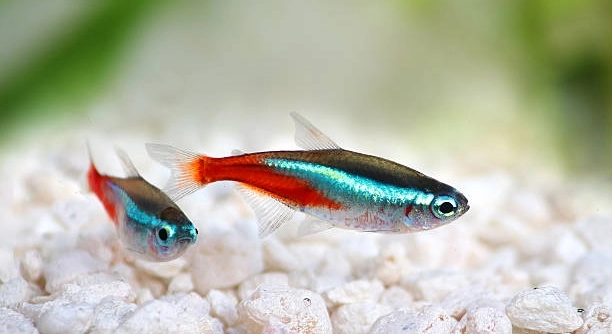
Is your tetra darting around the tank nonstop, making sharp turns and chasing others more than usual? This behavior might be a sign of something deeper that needs your attention.
An overactive tetra often displays erratic swimming, frequent chasing, sudden darting, and unusual aggression. These behaviors can stem from stress, poor water conditions, overcrowding, or even a lack of environmental stimulation in the tank.
By learning to recognize these signs early, you can take the right steps to help your tetra feel calm and healthy again.
1. Fast and Erratic Swimming
Tetras are naturally active, but when they begin darting back and forth quickly or moving without clear direction, it can be a sign of overactivity. This behavior often points to stress, usually caused by poor water conditions, sudden changes in the tank environment, or aggressive tank mates. Erratic swimming may also happen when tetras are overstimulated due to excessive lighting or noise near the tank. If they are constantly on the move without stopping to rest or swim calmly in schools, it’s time to check for possible stressors.
Fast, unpredictable swimming can wear them out and lead to long-term health issues if not addressed early.
Watching their patterns closely helps you spot these changes before they affect other fish in the tank. Small adjustments like dimming lights or reducing nearby noise can calm their behavior significantly. Start by checking ammonia levels and observing their interactions with other fish.
2. Chasing Other Fish
Tetras may chase each other playfully, but constant chasing is a red flag. This behavior often signals overcrowding or a lack of hiding spaces.
When space is limited, tetras feel threatened and compete more for territory. They may lash out by chasing others to assert dominance, especially when kept in smaller groups or tanks with poor layout. Overactivity caused by stress makes them more likely to display this behavior. Adding live plants or decorations creates more hiding spots and breaks the line of sight, reducing tension. Make sure your tank is at least 10 to 20 gallons depending on the number of tetras. Keeping a balanced ratio in a school of six or more can help spread out aggression. You should also monitor water parameters and feeding habits. If they’re chasing during feeding, try spacing out food in different areas. This creates a calmer environment and reduces aggressive, overactive behavior.
3. Constant Glass Surfing
When a tetra repeatedly swims along the glass, it’s often a reaction to stress or environmental discomfort. This repetitive motion can indicate they are trying to escape something or searching for better conditions outside their current space.
Glass surfing can be triggered by several issues. Poor water quality is a common cause, especially if ammonia or nitrite levels are high. Lack of enrichment, such as plants or hiding places, may also cause boredom or anxiety, making the fish restless. In some cases, glass surfing occurs when a tetra feels insecure in its surroundings, particularly in tanks with few decorations or companions. To help reduce this behavior, improve the tank environment by checking the filtration system and adjusting the lighting. Ensure water conditions stay within the ideal range for tetras—soft, slightly acidic water with stable temperature. These small adjustments can help your fish feel more at ease.
A calm, enriched environment makes a big difference. Try adding floating plants or rearranging the tank decor to break visual monotony. Some tetras respond well to a consistent light schedule and reduced reflections on the glass, which can confuse them. If they continue glass surfing, check for external stressors like nearby screens or tapping, which may be adding to their unease.
4. Aggressive Feeding Behavior
When tetras rush aggressively during feeding time, it can signal overexcitement or competition. This kind of behavior may lead to injuries or stress in more passive tank mates, especially in smaller or crowded setups.
Aggressive feeding often means they’re competing too hard for food or aren’t being fed correctly. Try spreading food across different areas of the tank to reduce pressure in one spot. It also helps to provide food in smaller portions multiple times a day, rather than one large feeding. When tetras are fed irregularly or feel unsafe, they may overreact at feeding time. Ensure the group size is balanced, as tetras do better in groups of six or more. A mix of floating and sinking food gives all fish a fair chance to eat calmly. Monitoring their response during meals can help you make quick changes and prevent feeding time from becoming too chaotic.
5. Jumping or Attempting to Jump
Tetras may leap from the water if startled or overstimulated. Sudden tank movements, loud noises, or poor conditions can trigger this. A stressed tetra sees jumping as an escape, even if it leads to injury or death.
Make sure your tank has a secure lid and remains in a calm area. Bright lighting, tapping on the glass, or rapid changes in temperature can make them feel unsafe. Reducing these stressors can keep them from panicking and trying to jump.
6. Overreacting to Movement Outside the Tank
Tetras that dart or scatter when someone walks by are likely feeling unsafe. This overreaction often means they’re anxious, especially if their tank is placed in a high-traffic area.
Adding background covers, dense plants, or tank dividers can block outside movement. A more private environment helps your tetras feel secure and act less startled.
7. Restlessness at Night
Tetras should be less active when the lights are off. If they continue darting or pacing at night, something is likely disturbing them. Noise, light leakage, or irregular lighting schedules may be preventing rest and causing nighttime stress.
Keep the tank in a quiet space with a regular light-dark cycle. Use a tank cover to block excess light, and avoid leaving nearby screens or lamps on overnight. Consistent darkness and calm surroundings help tetras regulate their activity and sleep better. A proper rest cycle is just as important as clean water or balanced food for healthy, stable behavior.
What causes a tetra to become overactive?
Overactivity in tetras often stems from stress related to their environment. Poor water quality, sudden changes in temperature, overcrowded tanks, or lack of hiding spaces can make them feel threatened or uneasy. Bright lighting and excessive noise near the tank can also cause agitation. When these conditions persist, tetras become restless and display rapid swimming or aggressive behaviors.
How can I tell if my tetra is stressed or just naturally active?
Tetras are naturally lively swimmers, but stress-induced overactivity looks different. Erratic swimming patterns, chasing other fish constantly, and repetitive glass surfing are signs of stress rather than normal activity. Stressed tetras may also jump or react strongly to external movements. Observing their behavior over time helps distinguish between natural energy and distress signals.
Is tank size important for preventing overactivity?
Yes, tank size plays a big role in maintaining calm behavior. Small tanks limit swimming space and cause overcrowding, which increases competition and stress. For a group of tetras, a minimum 10-gallon tank is recommended, though larger is better. Adequate space reduces aggression and allows fish to establish territories, lowering overactive responses.
Can diet affect my tetra’s activity level?
Feeding routines and food types can impact activity. Overfeeding or feeding all at once can cause aggressive feeding behaviors. It’s better to feed small portions multiple times a day and vary food types to keep fish interested and healthy. Poor diet or sudden changes can also stress tetras, increasing restlessness.
What should I do if my tetra keeps jumping?
Check for stress triggers like sudden loud noises, reflections on the glass, or a lack of cover in the tank. Always use a secure lid to prevent escape. Create a calm environment with plenty of plants and decorations for hiding. Reducing external disturbances helps prevent panic jumping.
Are there specific water parameters that reduce overactivity?
Tetras prefer soft, slightly acidic water with stable temperatures around 72–78°F (22–26°C). Sudden changes in pH, temperature, or ammonia levels cause stress and overactivity. Regular water testing and changes keep conditions stable and reduce behavioral problems.
How do I calm aggressive feeding behavior?
Spread food around the tank to reduce competition. Feed smaller amounts multiple times a day rather than one big meal. Ensure all fish get enough by using sinking and floating foods. Keeping a balanced group size also helps reduce feeding aggression.
Can lighting affect my tetra’s behavior?
Yes, intense or constant lighting can overstimulate tetras, making them restless. A natural light-dark cycle with dimmed lights in the evening helps fish settle. Avoid placing tanks near windows with direct sunlight or strong artificial lights.
Is it normal for tetras to be restless at night?
Tetras usually rest during dark hours. Constant activity at night suggests stress or improper tank conditions. Noise, light leaks, or inconsistent light schedules can disturb their rest. A quiet, dark environment helps maintain healthy sleep patterns.
When should I consult a vet about my tetra’s behavior?
If overactivity continues despite improving tank conditions, or if your tetra shows signs of illness like loss of appetite, discoloration, or unusual swimming, it’s best to consult a vet. Behavioral changes can sometimes indicate health problems needing professional care.
Can adding more tetras help reduce overactivity?
Tetras are schooling fish and feel safer in groups of six or more. Larger groups distribute attention and reduce bullying. However, avoid overcrowding, as too many fish can cause stress and worsen overactivity. Balance group size with tank space for best results.
How important are tank decorations for calming tetras?
Decorations provide hiding spots and visual barriers that reduce stress and aggression. Plants, rocks, and driftwood break up the tank’s open space, making tetras feel secure. A well-decorated tank helps prevent overstimulation and calming restless fish.
What role does tank location play in tetra behavior?
Placing the tank in a quiet, low-traffic area minimizes sudden disturbances. High-traffic spots with frequent movement or loud sounds cause anxiety and overactivity. Choosing a calm, stable location helps tetras feel safe and behave normally.
Can temperature fluctuations cause overactivity?
Yes, unstable water temperatures shock tetras and raise stress levels. Sudden drops or spikes can lead to erratic swimming and aggression. Using a reliable heater and thermometer helps maintain steady temperatures within the ideal range.
How often should I test water to prevent overactivity?
Regular testing, at least once a week, helps catch changes early. Checking ammonia, nitrite, nitrate, pH, and temperature ensures a healthy environment. Promptly addressing any issues prevents stress-induced behaviors like overactivity.
Does noise affect tetra activity?
Loud noises, vibrations, or sudden sounds can startle tetras and increase their activity level. Keeping the tank away from noisy appliances or busy areas helps maintain calm behavior. Gentle background noise or silence is best for a peaceful tank.
These answers provide clear steps to understand and manage overactive tetra behavior, making it easier to maintain a healthy, calm aquarium environment.
Final thoughts on managing overactive tetras focus on creating a stable and comfortable environment. These small fish can become restless when their surroundings are not ideal, which often signals an issue that needs attention. Proper care involves paying close attention to water quality, tank size, and the balance of fish within the aquarium. Keeping water clean and stable is one of the most important steps to reduce stress and overactivity. Regular testing and maintenance, along with a good filtration system, will help maintain the right conditions. Overactive behavior often disappears when these basics are properly addressed.
Another key point is the tank setup itself. Tetras feel safer and more relaxed when they have plenty of space and places to hide. Adding plants, rocks, or other decorations helps break up the open space and provides shelter. These hiding spots give the fish a sense of security and reduce aggressive or restless behavior. Avoid overcrowding by keeping an appropriate number of fish for your tank size. Too many fish create stress and competition, which leads to overactivity. Providing a calm environment with soft lighting and a quiet location can also make a noticeable difference in how your tetras behave.
Finally, feeding and routine care play a role in calming your fish. Feeding smaller amounts multiple times a day rather than one large feeding reduces competition and aggression during meals. A varied diet supports their health and helps prevent stress-related behavior. It is also important to monitor their behavior regularly to catch any early signs of trouble. If your tetra continues to be overactive despite changes, checking for health issues or consulting a professional may be necessary. Overall, maintaining a consistent and peaceful aquarium environment is the best way to support your tetras and reduce overactivity.

Hello,
If you enjoy the content that we create, please consider saying a "Thank You!" by leaving a tip.
Every little bit helps us continue crafting quality advice that supports the health, happiness, and well-being of pets around the world, for pets of all shapes, sizes, and species.
We really appreciate the kindness and support that you show us!