
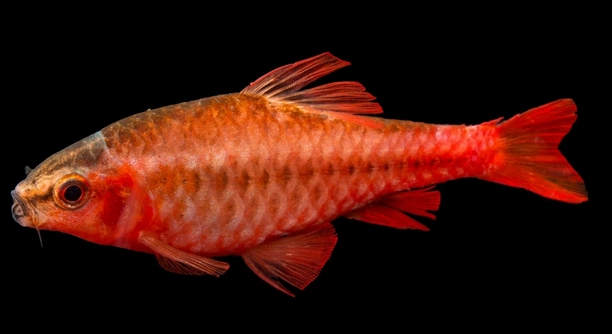
Cherry barbs are a popular aquarium fish species known for their bright colors and active behavior. Observing their mating patterns can be a fascinating experience, offering insight into their natural behaviors. This guide will help you spot these signs easily.
Mating behavior in cherry barbs typically involves male fish displaying vibrant colors and swimming energetically around females. Males may chase and nudge females to encourage mating, while the female chooses her mate based on these displays.
Understanding these behaviors will enhance your ability to care for your cherry barbs, ensuring their health and well-being.
Signs of Mating Behavior in Cherry Barbs
Cherry barbs are known for their vibrant colors and active swimming patterns. During mating, males will show off their bright hues to attract females. The more intense the color, the more likely they are to be ready for reproduction. Males often chase the females, swimming closely behind and performing rapid, darting movements to catch their attention. The female, in turn, will show signs of readiness by swimming more slowly and responding to the male’s displays. It’s important to note that not all males are equally persistent in their attempts, but when they are, it’s a clear sign that they’re trying to mate.
Male cherry barbs can be very competitive when courting a female. They’ll try to get as close as possible while showcasing their bright red and orange markings. This behavior increases in intensity when the male is particularly eager. The brighter and more noticeable the color, the higher the chances of attracting the female.
Once the female is ready to spawn, she will swim alongside the male, and they will engage in a brief courtship display before the actual spawning begins. This often takes place near plants or substrate, where the female will deposit eggs. The male fertilizes them shortly after.
Mating Displays and Role of Color
Males use their colors to show their health and genetic fitness. When a male’s colors are particularly vibrant, it signals that he is healthy, making him a more attractive mate. This vibrant coloration plays a significant role in the success of his mating efforts. The competition between males to show off their colors can lead to more intense courtship behaviors.
In addition to color, male cherry barbs will often use chasing as a strategy to impress the female. They’ll swim after her, often in quick bursts, showing off their agility. This chasing helps the female choose the fittest male for mating. The most successful males are those that can keep up with the female and maintain an intense, yet controlled display of stamina.
When a female has selected her mate, the pair will engage in spawning. The male usually fertilizes the eggs right after they’re laid, ensuring their successful reproduction. It’s fascinating to observe how their behavior changes once they begin mating.
Male Courtship Behavior
Male cherry barbs will display a variety of behaviors to attract a female. They typically start by showing off their bright colors and chasing the female in swift, darting motions. This behavior is a clear indicator that the male is ready to mate. The brighter the male’s colors, the more likely he is to catch the female’s attention.
These courtship displays are not always subtle. The males will swim rapidly around the female, often attempting to nudge her gently. This movement encourages the female to move closer and signals that he’s prepared for spawning. The male’s persistence can vary, but those who put on the most intense displays of color and movement are usually the most successful in getting the female’s attention.
Once the male has successfully attracted the female’s attention, the courtship continues. He may even continue to chase her as she swims more slowly, showing signs of readiness. This back-and-forth process builds anticipation for the actual spawning event.
Female Response to Mating Displays
Females will typically swim slowly and show little interest in males that are not displaying bright, vivid colors. They are highly selective when it comes to choosing a mate. The males that can keep up with their movements and maintain their colorful displays have the best chances of being selected.
The female’s response during mating displays is crucial to the process. When a female is ready to spawn, she will become more receptive to the male’s advances. She might show a slightly slower swimming pace or even circle the male, signaling her willingness to mate. This behavior is key to initiating the next phase of reproduction. The female’s careful selection process helps ensure the genetic strength of her offspring. By choosing a male with brighter colors and better stamina, she increases the likelihood of healthier, more competitive fry.
The Role of the Environment in Mating
The environment plays a significant role in cherry barb mating. They prefer plants or submerged rocks where they can safely deposit their eggs. Clean, well-maintained water is essential for successful spawning, as any stress from water conditions can interfere with their courtship or breeding.
These fish thrive in water temperatures between 72°F and 80°F, which helps encourage mating. Having plenty of plants or decorations in the tank gives the female a place to hide and feel secure. The more comfortable the environment, the more likely the female will be ready to spawn. A stable, calm tank setup promotes healthy mating behavior.
Spawning Behavior
Once the female is ready to spawn, she will find a suitable spot to lay her eggs, typically among plants or on flat surfaces like rocks. The male will follow closely behind and fertilize the eggs as they are released. This process can be quick but is crucial for successful reproduction.
Cherry barbs can spawn multiple times during a breeding period, with several eggs laid each time. Their spawning behavior is usually triggered by the availability of a suitable environment. When both the male and female are in the right conditions, the process becomes a natural, seamless part of their cycle.
After Spawning Care
After spawning, it’s important to remove the adult cherry barbs from the tank to prevent them from eating the fertilized eggs. The eggs will hatch within a few days, and the baby fish, or fry, will begin to swim freely. During this period, the fry require a well-maintained environment to grow healthy and strong.
FAQ
What are the signs that a male cherry barb is ready to mate?
A male cherry barb ready to mate will exhibit bright colors, particularly red and orange shades, as a sign of health and readiness. He will swim around the female, often chasing her and showing off his vivid markings. His movements are typically quick and energetic, signaling his eagerness to mate. The male may also display rapid darting or circling motions to get the female’s attention. These actions are a clear sign that the male is prepared for courtship and breeding.
How can I tell if a female cherry barb is ready to spawn?
A female cherry barb is ready to spawn when she begins to swim slowly and shows less interest in other fish. Her body might appear fuller or rounder, a sign that she has developed eggs. When a female is ready, she will respond to the male’s courtship by slowing down, often swimming alongside him. She may also swim in a circular motion near a suitable spot for laying eggs, such as plants or rocks. This indicates that she is ready to participate in the spawning process.
Do cherry barbs need a specific environment to mate?
Yes, cherry barbs require a well-maintained, stable environment to successfully mate. They prefer water temperatures between 72°F and 80°F. Clean water with good filtration is essential, as poor water quality can stress the fish and disrupt mating behaviors. Additionally, having plenty of plants or hiding spots in the tank helps the female feel secure, encouraging her to spawn. A calm and peaceful environment allows for natural courtship and successful reproduction.
How often do cherry barbs spawn?
Cherry barbs can spawn several times during a breeding period. Depending on water conditions and the readiness of the female, they may lay eggs multiple times over a few weeks. Each spawning event may produce a different number of eggs, but it’s not uncommon for them to lay between 100 to 300 eggs during each session. It’s important to monitor the tank and maintain optimal water conditions to encourage repeated spawning events. Ensuring that the male and female are both in peak condition helps maintain regular spawning.
Can cherry barbs mate in a community tank?
While cherry barbs can mate in a community tank, it’s essential to ensure the tank environment is suitable for breeding. This means providing plenty of plants, hiding spots, and keeping the water temperature within the appropriate range. In a community tank, you may need to watch for other fish that might stress or disturb the mating pair. Additionally, adult cherry barbs may eat the fertilized eggs or even the fry if not removed. If breeding is a priority, separating the breeding pair into a smaller tank can improve success rates.
What should I do after cherry barbs spawn?
After spawning, it’s best to remove the adult cherry barbs from the tank. Adult fish may eat the fertilized eggs, so separating them is crucial to ensure the eggs’ safety. Once the eggs hatch, the fry will need plenty of space to grow and should be fed specialized food for baby fish. Keep the water clean and well-oxygenated, as the fry are sensitive to poor water conditions. Maintaining a stable environment will help them grow into healthy juvenile cherry barbs.
How long does it take for cherry barbs to hatch after spawning?
Cherry barb eggs typically hatch within 2 to 3 days after being fertilized, depending on water temperature and other conditions. Warmer water temperatures may speed up the hatching process, while cooler temperatures could delay it. During this period, it’s important to keep the water clean and ensure proper filtration to avoid any issues with the developing eggs. Once the fry hatch, they will begin to swim freely and start foraging for food shortly after.
What should I feed cherry barb fry?
Cherry barb fry should be fed specially formulated fry food, such as finely crushed flakes or baby brine shrimp. These foods are designed for the tiny mouths of fry and provide the nutrients needed for healthy growth. It’s important to feed them small amounts multiple times a day, as they have fast metabolisms and require frequent feeding. As the fry grow, you can gradually introduce larger food particles to help them transition to adult food.
How can I encourage cherry barbs to breed in my tank?
To encourage breeding in your tank, focus on creating the right environment. Ensure that the water temperature is between 72°F and 80°F, and that the water quality is clean and well-filtered. Adding live plants provides hiding spots and breeding areas. You can also introduce small amounts of aquarium salt to promote health and breeding behavior. Make sure that the fish are well-fed with a nutritious diet, which can also help trigger spawning. Finally, creating a peaceful and stress-free environment will encourage the cherry barbs to feel comfortable enough to breed.
What do I do if the fry aren’t growing properly?
If the fry are not growing properly, it could be a sign of poor water quality or inadequate food. Check the water conditions, including pH, temperature, and ammonia levels, to make sure everything is optimal. You may need to adjust the feeding schedule or offer a wider variety of foods, like baby brine shrimp or infusoria. Ensure the tank is free of debris, and consider adding more plants or hiding spots to reduce stress. Proper tank maintenance and a stable environment are key to helping the fry grow successfully.
Final Thoughts
Cherry barbs are relatively easy to breed in a well-maintained aquarium. By providing the right environment, including clean water, stable temperatures, and plenty of plants or hiding spots, you can encourage natural mating behavior. The male’s colorful display and the female’s readiness to spawn are key signs that breeding is about to happen. When both fish are in optimal health and the water conditions are ideal, the chances of successful spawning increase. With some attention to detail, you can watch the beautiful courtship and spawning rituals of these peaceful fish.
After spawning, it’s important to manage the tank properly. Removing the adults after the eggs are fertilized helps protect the eggs from being eaten. Keeping the water clean and well-oxygenated is also critical, as the fry are very delicate in their early stages. Feeding the fry appropriately is equally important. Special fry food or newly hatched brine shrimp will help them grow. As they mature, you can begin to introduce larger food items to match their growing size. Over time, your fry will grow into juvenile cherry barbs, ready to thrive in the tank.
While breeding cherry barbs can be a rewarding experience, it requires patience and attention to detail. Even in a community tank, cherry barbs can successfully breed, but creating an environment that minimizes stress will help the process. By understanding their mating behavior and making sure they have the right conditions, you can successfully raise healthy fry and enjoy the process of seeing the next generation of cherry barbs flourish.

Hello,
If you enjoy the content that we create, please consider saying a "Thank You!" by leaving a tip.
Every little bit helps us continue crafting quality advice that supports the health, happiness, and well-being of pets around the world, for pets of all shapes, sizes, and species.
We really appreciate the kindness and support that you show us!