
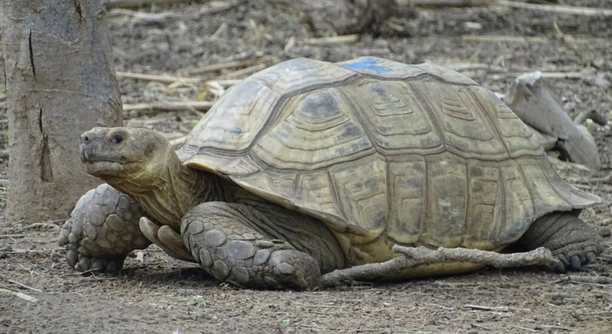
Shell rot in Sulcata tortoises is a serious issue that requires early attention. Identifying the signs early can prevent long-term damage to their shells, ensuring their health and comfort. Early intervention can make a significant difference in recovery.
Shell rot in Sulcata tortoises occurs when bacteria or fungi damage the shell. Early signs include softening, discoloration, and foul smells. Regular inspection is key for identifying these symptoms before they progress into a more severe condition.
Recognizing these signs early can help avoid complications. We’ll cover how to spot the signs and what steps you can take to keep your tortoise healthy.
Understanding Shell Rot in Sulcata Tortoises
Shell rot is a condition that affects the tortoise’s outer shell, making it soft and prone to infection. It can be caused by poor living conditions, such as high humidity or unsanitary enclosures, but it can also happen if your tortoise suffers from injury or infection. The shell itself acts as the tortoise’s protective armor, and if it becomes compromised, the damage can extend deeper into the tissue, causing severe pain and health issues.
Taking proper care of your Sulcata tortoise involves providing the right environment to prevent shell rot. This means ensuring their habitat is clean and dry and that they are protected from injury. Infections are more likely to occur when conditions are too damp, or when a tortoise’s shell is exposed to moisture for too long. You can prevent shell rot by carefully monitoring your tortoise’s living conditions and acting quickly if any issues arise.
The sooner you notice any signs of damage to the shell, the better chance your tortoise has of a full recovery. Regularly checking their shell for any changes will help you stay ahead of potential problems.
Early Signs of Shell Rot
Look for soft spots and discoloration on the shell’s surface. This is often one of the first indicators that something isn’t right.
If you notice any unusual changes, it’s important to address them as soon as possible. Early detection of shell rot is essential for preventing further damage to the tortoise’s shell. By keeping a close eye on the health of your tortoise, you can intervene quickly if problems arise. Regular inspections will help you spot softening areas or any foul smells coming from the shell, which is often a sign of bacterial or fungal growth.
Proper care includes not only monitoring their health but also creating an environment that reduces risks. This means ensuring your Sulcata has a dry space for basking and keeping the humidity levels in their enclosure under control. Too much moisture in the enclosure is a major risk factor for shell rot and can lead to other health problems as well.
Identifying the Causes of Shell Rot
Shell rot usually begins when the tortoise’s shell is exposed to bacteria or fungi due to damp conditions. A moist, unclean environment makes it easier for harmful microorganisms to thrive. If your tortoise’s shell has been injured or weakened, it’s more vulnerable to these infections.
To reduce the risk of shell rot, make sure your Sulcata tortoise’s enclosure is kept clean and dry. Ensure they have a well-ventilated space to roam and bask in. The best way to avoid infection is by preventing moisture buildup. Check for any sources of standing water, such as wet bedding or a damp basking area, and fix them immediately.
If a tortoise gets a cut or scrape on its shell, be vigilant. Even small wounds can allow bacteria to enter. It’s a good idea to clean the shell regularly to prevent infection from spreading. Consider using a mild disinfectant made for reptiles if necessary.
Preventing Further Damage
If your Sulcata tortoise shows signs of shell rot, it’s crucial to address it quickly to prevent further damage. The longer it goes untreated, the more serious the damage can become. The infection can spread beneath the shell, affecting vital organs and causing permanent harm.
Treatment typically involves cleaning the infected areas, removing dead tissue, and applying medicated creams or antibiotics as prescribed by your veterinarian. You’ll also need to adjust your tortoise’s environment, eliminating moisture and providing a dry, clean space for recovery. It’s essential to make sure they can’t re-infect themselves in their living area during this process.
Regular checkups from a reptile veterinarian are vital, especially if the symptoms persist or worsen. Getting professional help can ensure that the infection is thoroughly treated and doesn’t return, allowing your tortoise to recover properly.
Proper Care for a Sulcata Tortoise’s Shell
To keep your Sulcata tortoise’s shell healthy, regular maintenance is essential. Their shell should be kept clean, and their living space should always be dry. Moisture buildup and poor hygiene lead to shell rot, so it’s important to frequently check and maintain their environment.
Providing a proper basking area is another key step. Ensure the area is warm, with dry, clean surfaces for your tortoise to rest. Offering a place to hide or burrow is helpful too, as Sulcatas enjoy having a secure space to retreat. A balanced diet also plays a role in shell health, as calcium and other nutrients are vital for strong shells.
What to Do if Shell Rot Develops
If your Sulcata starts showing symptoms of shell rot, you must act fast. Begin by isolating the tortoise from other pets and cleaning the affected area gently. Consult a vet who specializes in reptiles as soon as possible. They will likely prescribe medications to fight the infection.
A veterinarian will determine if further treatment, such as removing damaged shell layers or applying ointments, is necessary. Keeping the tortoise in a dry, clean space will be essential during the recovery process to ensure the infection doesn’t spread.
Aftercare and Monitoring
After treatment, continue monitoring your tortoise’s shell for any changes. Watch for new signs of infection or worsening symptoms. Keep their enclosure dry and ensure they have the proper temperature and humidity levels for a smooth recovery process. Regular checks will help you spot any issues early.
FAQ
What should I do if I notice shell rot on my Sulcata tortoise?
If you notice signs of shell rot, the first step is to clean the affected area carefully with warm water. Avoid using harsh chemicals. Then, contact a veterinarian who specializes in reptiles. Shell rot requires professional treatment, and the vet may prescribe antibiotics or antifungal medication depending on the type of infection.
How can I tell if my Sulcata tortoise’s shell is beginning to rot?
Early signs of shell rot include soft, spongy areas on the shell, discoloration (such as yellow or brown patches), and a foul odor coming from the affected area. If you notice any of these signs, it’s important to act quickly and take your tortoise to the vet.
Can I treat shell rot at home, or should I seek a vet’s help?
While you can clean the affected area and make sure the environment is dry, shell rot requires professional care to ensure proper healing. A veterinarian will be able to treat any infections with the appropriate medications and advise you on how to create the best conditions for recovery.
What causes shell rot in Sulcata tortoises?
Shell rot is primarily caused by bacterial or fungal infections, which thrive in moist, unsanitary environments. If your tortoise is living in an area with high humidity or damp bedding, they are at higher risk for developing shell rot. Poor diet, injuries, and stress can also contribute to the problem.
How can I prevent shell rot from happening to my tortoise?
Prevention is key to avoiding shell rot. Keep your Sulcata tortoise’s enclosure clean and dry, making sure there is no standing water or excessive humidity. Provide proper ventilation, and ensure the tortoise has access to a dry basking area. Also, avoid sharp objects that could injure the shell. Regularly check for any signs of injury or infection, and ensure your tortoise is getting a balanced diet with enough calcium to support a healthy shell.
How often should I check my Sulcata tortoise for shell rot?
It’s important to inspect your tortoise’s shell at least once a week for early signs of rot or injury. Look for soft spots, changes in color, or any unpleasant odors. The earlier you catch any problems, the easier it will be to treat and prevent further damage.
Can shell rot be cured completely?
Yes, if treated promptly and correctly, shell rot can be cured completely. The key is to act fast and ensure the tortoise gets the proper treatment. Follow your vet’s recommendations for care and aftercare, including adjusting the living conditions to prevent future occurrences.
How long does it take for a tortoise to recover from shell rot?
The recovery time for shell rot depends on the severity of the infection. Mild cases may take a few weeks, while more severe cases can take several months to heal completely. The tortoise’s living conditions and diet also play a role in recovery time, so be sure to follow all aftercare instructions.
What are the long-term effects of shell rot if left untreated?
If left untreated, shell rot can lead to permanent damage to the tortoise’s shell and underlying tissue. In severe cases, it can cause systemic infections, affecting vital organs and possibly leading to death. Chronic shell rot may also cause deformities or structural weakness in the shell.
Is shell rot more common in younger or older tortoises?
Shell rot can affect tortoises of any age, but younger tortoises may be more susceptible to infections due to their less developed immune systems. Older tortoises may also be at risk if their immune systems are weakened by age or other health problems. Proper care and a clean, dry environment are essential for tortoises at any stage of life.
Can shell rot spread to other tortoises?
Yes, shell rot can spread to other tortoises if they come into contact with infected areas or share the same living space. This is why it’s important to isolate any tortoises showing symptoms of shell rot until they have fully recovered. Regularly disinfecting their enclosures can also help prevent the spread of infection.
Can shell rot cause other health issues?
Yes, if left untreated, shell rot can lead to other health issues, such as systemic infections that affect the tortoise’s internal organs. It can also lead to pain, difficulty moving, or even permanent damage to the shell. A healthy shell is essential for the tortoise’s overall well-being, so it’s important to address shell rot early.
What’s the best bedding to use to prevent shell rot?
Use dry bedding materials such as straw, hay, or coconut coir to prevent moisture buildup in the enclosure. Avoid using wood chips or any bedding that can absorb moisture easily, as this can create the right environment for bacteria and fungi to thrive.
Is it okay for my tortoise to swim, or should I avoid water completely?
While some tortoises enjoy swimming, it’s important to monitor how long they are in the water. Prolonged exposure to moisture can contribute to shell rot, so ensure the water is shallow and that they are able to dry off quickly after. Always dry your tortoise thoroughly after any water exposure.
How do I know if the shell is permanently damaged after shell rot?
In severe cases, the shell may become permanently damaged, resulting in deformities or weakness. The vet will be able to assess the extent of the damage and suggest the best course of action. In some cases, shell repairs can be made, but it depends on how much of the shell has been affected.
Final Thoughts
Shell rot is a serious condition that can affect Sulcata tortoises if not detected and treated early. The signs are often subtle at first, like soft spots, discoloration, or an unusual odor. However, it is essential to catch it as soon as possible to prevent the infection from spreading further. Regularly checking your tortoise’s shell is the best way to spot these early signs and ensure they remain healthy. A clean and dry environment, along with proper care, can go a long way in preventing shell rot.
While shell rot can be a concerning issue, it is treatable when caught early. Visiting a reptile vet is important for receiving the right treatment, which may involve antibiotics, antifungal creams, or even changes to the tortoise’s living conditions. It’s crucial to follow through with aftercare and continue monitoring your tortoise’s shell to ensure that the infection doesn’t return. Sometimes, adjustments to their enclosure, such as increasing ventilation or reducing humidity, will help them heal more effectively and prevent future issues.
Shell rot can be avoided with the right preventive measures. Keeping your Sulcata tortoise’s habitat clean and dry, offering a balanced diet with adequate calcium, and ensuring they have access to a proper basking area are key steps. By creating the best environment and checking on your tortoise regularly, you can help keep them healthy and avoid the discomfort and complications that come with shell rot. Regular vet checkups are also helpful for maintaining their overall health. When it comes to shell rot, the goal is early detection and proper care to keep your tortoise happy and safe.

Hello,
If you enjoy the content that we create, please consider saying a "Thank You!" by leaving a tip.
Every little bit helps us continue crafting quality advice that supports the health, happiness, and well-being of pets around the world, for pets of all shapes, sizes, and species.
We really appreciate the kindness and support that you show us!