
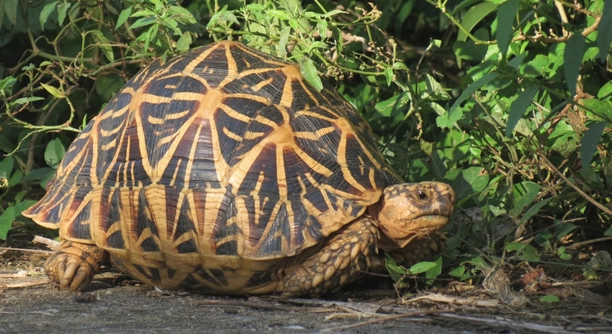
Early signs of shell deformities in Indian Star Tortoises can often be subtle, but recognizing them early can make a big difference. These tortoises are unique in appearance, with their distinct star-patterned shells, but issues may arise over time.
Shell deformities in Indian Star Tortoises can occur due to factors like improper diet, insufficient UVB exposure, or poor living conditions. Identifying early signs, such as uneven growth or soft spots, allows for prompt intervention, ensuring your tortoise’s health.
Spotting these signs early can prevent further damage and help you provide better care for your tortoise, keeping it happy and healthy.
Common Causes of Shell Deformities in Indian Star Tortoises
Shell deformities in Indian Star Tortoises can result from several factors, with diet, environment, and genetics being the most common contributors. A poor diet lacking essential vitamins and minerals can stunt the proper growth of their shells. Specifically, calcium and vitamin D3 deficiencies often lead to soft or irregular shells. Another common issue is inadequate UVB light exposure, which is necessary for calcium absorption and overall health. If the tortoise’s enclosure is not properly equipped with a UVB light source, it can result in weak, malformed shells over time. Stress from overcrowded or improperly designed enclosures can also contribute to deformities, as it may limit the tortoise’s movement and natural behaviors. Ensuring your tortoise has a balanced diet and a suitable living environment can help reduce the risk of shell deformities.
Poor diet and living conditions are the leading causes of deformities. Ensuring a balanced diet with proper calcium and UVB light is essential for a healthy shell.
Addressing environmental factors is key to preventing deformities. Offering a spacious enclosure with access to UVB light, proper humidity, and temperature controls can help your tortoise thrive. Tortoises require room to move, as cramped conditions lead to stress and irregular shell growth. You should also avoid feeding them high-protein foods, as it can cause imbalanced growth. A variety of leafy greens, fresh vegetables, and fruits will ensure a proper calcium-to-phosphorus ratio, helping with healthy shell development. The addition of cuttlefish bone or a calcium supplement can further improve their shell health.
How to Spot Early Signs of Deformities
Recognizing the early signs of shell deformities requires attention to detail. Look out for shell areas that appear soft, flattened, or unevenly shaped. If the growth lines on the shell look irregular, it may be a sign of a problem. A well-formed shell should have a smooth, consistent pattern with no unusual bulging or indentations. The scutes, which are the hard plates on the shell, should not be cracked or peeling. If you notice these issues early, it’s crucial to assess the tortoise’s diet, living conditions, and UVB light exposure. A regular check-up with a veterinarian can help diagnose potential problems and guide you on how to correct them before they become more severe.
Early signs are easier to manage with prompt attention and care. Regularly checking your tortoise’s shell for any unusual changes will help catch problems early.
A tortoise’s shell is an indicator of its overall health, so paying attention to small changes is key. If you notice a soft spot or a slight change in shape, it could indicate a vitamin deficiency or lack of proper UVB exposure. These signs may not be immediately harmful but should not be ignored. When spotted early, adjusting the tortoise’s diet or lighting setup can often reverse or prevent further deformities. Consult a reptile veterinarian if you notice any concerning changes. They can help you assess your pet’s specific needs and guide you toward the best solutions for healthy shell growth.
The Importance of Proper Diet for Shell Health
A balanced diet is critical to maintaining a healthy shell. Without the right nutrients, deformities can appear and worsen over time. Calcium, vitamin D3, and phosphorus are especially important in shell development. Offering a variety of leafy greens and fresh vegetables ensures your tortoise gets the nutrients it needs.
Calcium is the most essential element for shell health. Without it, your tortoise’s shell can become soft or deformed. Vegetables like collard greens, dandelion leaves, and kale are excellent sources of calcium. Supplementing with calcium powder or cuttlefish bone can also be beneficial, especially if your tortoise is not getting enough from its diet. Be cautious with high-protein foods, as they can interfere with calcium absorption.
Vitamin D3 plays a crucial role in helping your tortoise absorb calcium. Inadequate UVB lighting will prevent your tortoise from synthesizing this vitamin, leading to weak shells. A proper UVB light source should be placed over your tortoise’s enclosure for 10–12 hours a day. Over time, lack of UVB exposure can lead to more severe deformities and health issues. Be sure to replace UVB bulbs regularly, as their effectiveness diminishes after a few months.
UVB Lighting and Its Role in Shell Health
UVB lighting is vital for your tortoise’s overall health, particularly for shell development. Without it, calcium absorption will be impaired, causing weak or deformed shells. UVB exposure helps produce vitamin D3, a nutrient necessary for calcium metabolism.
If your tortoise is housed indoors, providing artificial UVB light is essential. Natural sunlight is ideal, but if it’s not available, an appropriate UVB bulb should be used. Position the bulb so that it is within 12 inches of your tortoise, ensuring adequate exposure. Make sure to keep the bulb at the correct temperature, as excessive heat can cause harm. Over time, UVB bulbs lose their intensity, so replacing them every 6 months is important for maintaining a healthy environment.
UVB light can also aid in overall well-being by supporting immune function and proper digestion. Proper exposure to UVB light helps your tortoise absorb other vital nutrients, contributing to a healthier life overall. Without this essential element, your tortoise may struggle with more than just shell deformities. It’s important to make UVB lighting a priority for their habitat to ensure long-term health.
Proper Enclosure Setup for Tortoises
A proper enclosure is vital to your tortoise’s health. The space should be large enough to allow for movement, and temperature and humidity levels must be carefully controlled. Ensure your tortoise has enough room to roam, as cramped conditions can cause stress and deformities.
A well-set-up habitat includes a basking area, cooler spots, and a hiding place for your tortoise to feel secure. The temperature should range from 85–90°F during the day, with a cooler area around 75°F. Nighttime temperatures can be slightly lower, but make sure they don’t dip below 65°F. Humidity should be moderate, typically around 50–60%.
Regularly cleaning the enclosure, including removing waste and replacing substrate, will help prevent health issues. Avoid overcrowding, as too many tortoises in one space can lead to stress, injuries, or competition for food. Keeping the habitat clean and spacious provides your tortoise with a safe, healthy environment.
Monitoring Shell Health
Monitoring your tortoise’s shell is crucial to catch any deformities early. Check for irregular growth patterns, soft spots, or cracks. Look for signs of fungal infections or shell rot, which can cause deformities if left untreated.
Regularly inspect the shell for uneven scute patterns. These could be signs of improper diet, lack of UVB light, or stress. Soft spots or cracks often indicate calcium deficiency, while discolored areas may suggest fungal or bacterial infections. If you notice any abnormalities, consult a veterinarian to determine the cause and treatment options.
The Importance of Routine Checkups
Routine checkups with a veterinarian are essential in preventing and detecting shell deformities early. Your vet can assess your tortoise’s health and provide guidance on diet, lighting, and habitat setup. They can also perform necessary treatments, such as shell repairs, if needed.
Taking your tortoise to a reptile veterinarian ensures that any potential health issues are caught before they become more serious. A vet can also offer personalized advice on how to care for your tortoise’s unique needs. Keeping up with checkups promotes long-term health and well-being for your pet.
FAQ
What are the signs of shell deformities in Indian Star Tortoises?
The most common signs of shell deformities include uneven scutes, soft spots, cracks, or discoloration on the shell. If you notice any of these changes, it could indicate an underlying health issue like calcium deficiency or improper UVB exposure. Early detection is key to preventing further damage.
How can I prevent shell deformities in my tortoise?
A balanced diet with the right amount of calcium, vitamin D3, and phosphorus is essential. You should also provide adequate UVB lighting, maintain proper enclosure temperature and humidity, and ensure a spacious living area for your tortoise to roam. Regular veterinary checkups are also crucial for monitoring shell health.
How much UVB light does my tortoise need?
Indian Star Tortoises require 10–12 hours of UVB light daily to help synthesize vitamin D3 and absorb calcium. Without sufficient UVB exposure, they may develop metabolic bone disease, leading to soft or deformed shells. Replace UVB bulbs every six months to maintain effective lighting.
What kind of diet is best for preventing shell issues?
Leafy greens like collard greens, dandelion leaves, and kale provide essential calcium. You can also offer other vegetables like zucchini and squash, but avoid too much protein. Calcium supplements and cuttlefish bones are also helpful to ensure your tortoise gets enough of this important nutrient.
Is it normal for my tortoise’s shell to grow unevenly?
Uneven shell growth can be a sign of poor diet, lack of UVB light, or health issues like metabolic bone disease. It is important to monitor their shell regularly and consult a veterinarian if you notice any abnormalities. Proper care can usually prevent this issue.
How do I know if my tortoise is getting enough calcium?
Calcium deficiency is often visible in the form of soft or deformed scutes, which are the individual sections of the shell. If you notice this or if your tortoise’s shell is not growing properly, you may need to supplement their diet with calcium powder or other calcium-rich foods.
What should I do if my tortoise has a cracked shell?
If your tortoise has a cracked shell, it’s important to take them to a veterinarian as soon as possible. Depending on the severity, the vet may clean the wound, apply topical treatments, or use a special shell repair procedure to promote healing. Always avoid using home remedies unless advised by a vet.
Can stress cause shell deformities in tortoises?
Yes, stress can lead to various health issues in tortoises, including shell deformities. Overcrowding, inadequate space, poor diet, or environmental stressors like incorrect temperatures can all contribute to stress. Make sure your tortoise has a calm, well-maintained environment to thrive in.
How often should I clean my tortoise’s enclosure?
It’s important to clean your tortoise’s enclosure at least once a week. Remove any waste, food scraps, and old substrate. Change the bedding regularly to keep bacteria and mold at bay. Keeping the enclosure clean helps reduce the risk of infections and promotes a healthier living space.
Can I use a basking lamp instead of UVB lighting?
Basking lamps are helpful for providing warmth but do not offer the UVB rays necessary for proper calcium absorption. For healthy shell development, you need both heat and UVB light. Many pet stores sell combined UVB and basking lamps to meet both needs simultaneously.
What is shell rot and how can I prevent it?
Shell rot is a bacterial or fungal infection that causes the shell to soften, become discolored, or develop a foul smell. To prevent shell rot, maintain a clean, dry environment with proper humidity levels. Make sure your tortoise has access to UVB light and a calcium-rich diet. If you suspect shell rot, seek veterinary care immediately.
How can I help my tortoise if its shell is soft?
Soft shells are often a sign of calcium deficiency or inadequate UVB light. To help, ensure your tortoise receives enough calcium through its diet and supplements. It’s also important to correct any lighting or temperature issues in the enclosure. Consult a veterinarian for further treatment options if needed.
Is it safe to use a heat pad for my tortoise’s enclosure?
Heat pads can be useful for providing localized warmth but should be used with caution. They can create hot spots if placed incorrectly, leading to burns or overheating. Make sure the heat pad is placed under the enclosure to provide warmth from below, and always monitor the temperature closely.
How can I tell if my tortoise has a fungal infection?
Signs of a fungal infection include soft, discolored patches on the shell, often accompanied by a foul smell. If your tortoise’s shell appears mushy or has a whitish or greenish tint, it may indicate fungal growth. A vet can prescribe the appropriate antifungal treatment to resolve the infection.
What are the most common health issues in Indian Star Tortoises?
Common health issues in Indian Star Tortoises include shell rot, respiratory infections, calcium deficiency, and metabolic bone disease. To avoid these problems, maintain a proper diet, environment, and regular checkups. Early detection and intervention are crucial to keeping your tortoise healthy.
Can my tortoise’s shell grow back if damaged?
Tortoises cannot regrow parts of their shell if damaged, but minor damage may heal over time. The outer layers of the shell can often regenerate if the tortoise is given proper care, but severe damage may lead to permanent deformities. Always take your tortoise to a veterinarian for serious shell injuries.
How do I maintain proper humidity levels in my tortoise’s enclosure?
Humidity can be maintained using a combination of a humidifier and regular misting. Be sure not to overdo it, as excessive humidity can lead to mold or fungal growth. Monitor the humidity levels regularly with a hygrometer to ensure they stay within the ideal range for your tortoise’s species.
What type of substrate is best for Indian Star Tortoises?
A safe and natural substrate like coconut coir or a mix of organic topsoil and sand works well. Avoid using cedar or pine, as the oils can be harmful. The substrate should be easy to clean, absorb moisture, and promote natural digging behaviors.
Final Thoughts
Taking care of an Indian Star Tortoise requires attention to their unique needs, especially when it comes to their shell health. Early signs of shell deformities can often be prevented with the right diet, lighting, and environmental conditions. By offering a balanced diet rich in calcium and ensuring they receive proper UVB exposure, you can significantly reduce the risk of deformities and other shell issues. A well-maintained enclosure and a regular checkup with a veterinarian are essential for keeping your tortoise healthy.
Shell deformities can be concerning, but with the right care and early intervention, many tortoises can recover or avoid severe damage. Keeping a close eye on any changes to your tortoise’s shell and addressing problems early on will go a long way in maintaining their overall health. In addition to monitoring shell health, ensure they have ample space to move and exercise, as this also plays a role in preventing deformities. Creating a stress-free environment helps keep your tortoise active and happy, which is vital for their overall well-being.
In the end, the most important aspect of caring for an Indian Star Tortoise is consistency. Regularly checking their diet, enclosure conditions, and health will ensure that they live a long and healthy life. While occasional issues may arise, they are often manageable with proper knowledge and care. By staying informed and prepared, you can help your tortoise thrive and enjoy a safe, comfortable life.

Hello,
If you enjoy the content that we create, please consider saying a "Thank You!" by leaving a tip.
Every little bit helps us continue crafting quality advice that supports the health, happiness, and well-being of pets around the world, for pets of all shapes, sizes, and species.
We really appreciate the kindness and support that you show us!