
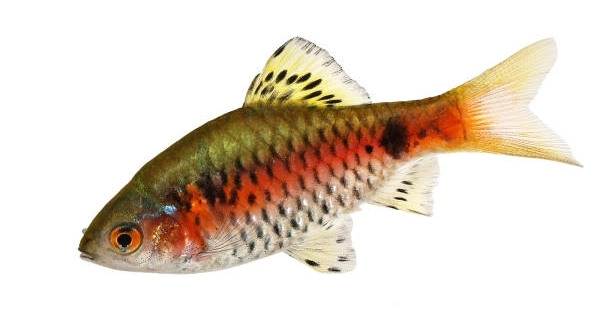
Rosy barbs are popular aquarium fish known for their lively colors and active nature. They usually get along well with other fish but can sometimes show signs of aggression. Recognizing these early signs helps keep your tank peaceful and healthy.
Early signs of rosy barb aggression include chasing behavior, nipping at fins, and territorial displays. These behaviors may escalate if not addressed promptly, causing stress and injury to other fish. Monitoring these signs closely allows timely intervention to maintain harmony.
Identifying these behaviors early can save your fish from unnecessary harm and improve your overall aquarium experience.
Common Signs of Rosy Barb Aggression
Rosy barbs often show aggression through chasing and fin fin nipping. When one fish repeatedly chases another, it is a clear sign of dominance or territorial behavior. This can cause stress, injuries, and even infections in the targeted fish. Aggressive rosy barbs might also flare their fins or swim rapidly near other fish to intimidate them. Sometimes, you may notice torn or damaged fins, which are a result of these attacks. It’s important to watch your tank regularly for these signs because aggression can quickly affect the overall health of your aquarium. A stressed fish is more vulnerable to diseases, and aggression can disrupt the natural balance within the tank.
Observing these behaviors early allows you to take action before aggression worsens. Ignoring signs could lead to serious harm for your fish.
Preventing rosy barb aggression starts with tank setup and social dynamics. A spacious tank with plenty of hiding spots helps reduce stress. Introducing multiple rosy barbs together lowers chances of bullying because no single fish dominates. Keeping similar-sized fish also minimizes attacks. Feeding your fish well can reduce competition over food. Lastly, separating aggressive individuals or rearranging tank decor can break established territories. Regular observation and timely intervention help maintain a peaceful aquarium for all fish.
How to Manage Aggression in Your Rosy Barbs
Managing aggression often means adjusting the environment to suit your fish.
Understanding the reasons behind aggressive behavior is essential. Rosy barbs can be aggressive due to stress, overcrowding, or lack of space. When tanks are too small, fish feel threatened and act out. Territorial disputes increase if there are few hiding places. Stress from poor water quality or insufficient food can worsen aggression. Changing tank conditions, like adding plants or rocks, creates zones for fish to retreat and feel safe. You can also try increasing the number of rosy barbs to spread out aggression or add peaceful tank mates to distract them. Sometimes, removing the most aggressive fish is necessary to restore calm. Regular maintenance and monitoring water parameters keep your fish healthy and less likely to become hostile. Keeping aggression in check ensures a better environment for all your aquatic pets.
Preventing Rosy Barb Aggression Through Tank Setup
A proper tank setup plays a big role in reducing aggression. Providing enough space and hiding spots helps fish feel secure and less territorial.
Choosing the right tank size is crucial. Rosy barbs are active swimmers and need at least 30 gallons for a small group. Adding plants, rocks, and decorations creates natural barriers that break up sight lines, reducing aggressive behavior. These hiding spots give shy or targeted fish places to retreat and rest. Avoid overcrowding, as too many fish can increase stress and trigger fighting. Regularly rearranging the tank layout also helps disrupt established territories and prevents dominance.
Maintaining good water quality is equally important. Clean, stable conditions reduce stress, which lowers aggressive tendencies. Using a quality filter and performing regular water changes keeps your environment healthy and calm for all fish.
Recognizing When Aggression Needs Intervention
Aggression becomes a serious problem when it leads to injury or constant stress for your fish.
If you notice torn fins, visible wounds, or a fish hiding for long periods, it is time to act. Continuous chasing and nipping can weaken fish, making them prone to disease or death. Sometimes aggressive behavior escalates despite environmental adjustments. In these cases, isolating the aggressive fish temporarily or permanently may be necessary. Adding more tank mates or rearranging decorations can help calm tensions. Monitoring your fish daily allows you to catch problems early and prevent lasting damage. Quick intervention keeps your tank balanced and fish healthy.
Identifying Triggers of Rosy Barb Aggression
Certain factors can trigger aggression in rosy barbs. Changes in tank conditions, overcrowding, or competition for food often cause stress and aggressive behavior.
Introducing new fish without proper acclimation can also lead to fighting. Sudden changes disrupt the established balance and provoke territorial disputes among the fish.
Role of Diet in Reducing Aggression
A balanced diet helps keep rosy barbs calm and healthy. Feeding them high-quality flakes, pellets, and occasional live or frozen foods meets their nutritional needs.
Underfeeding or competition for food increases stress and can lead to aggression. Regular feeding schedules and enough food prevent fights over limited resources.
Monitoring Fish Behavior Regularly
Consistent observation helps detect early signs of aggression before problems escalate. Watching how rosy barbs interact daily gives insight into their social dynamics and health.
When to Consider Rehoming an Aggressive Fish
If aggression persists despite all efforts, rehoming the aggressive fish may be necessary to maintain tank harmony and protect other fish.
FAQ
How can I tell if my rosy barb is aggressive or just active?
Rosy barbs are naturally active swimmers, so movement alone doesn’t mean aggression. Watch for repeated chasing, fin nipping, or cornering other fish. If a fish constantly targets another and causes stress or injuries, it’s aggression, not just normal activity.
What are the first signs of rosy barb aggression?
Early signs include chasing other fish frequently, nipping at fins, and flaring their fins to appear larger. You might also see fish hiding more often or showing damaged fins. These behaviors indicate growing tension that needs attention.
Can overcrowding cause rosy barb aggression?
Yes, overcrowding increases stress and competition for space and resources. When tanks are too small or have too many fish, rosy barbs may become territorial and aggressive. Providing enough space and hiding spots is key to avoiding this.
Does tank decoration affect aggression levels?
Absolutely. Adding plants, rocks, and decorations breaks sight lines and creates hiding places. This helps reduce aggressive encounters by giving fish places to retreat. Rearranging decorations periodically also prevents fixed territories.
Is diet related to aggression in rosy barbs?
Underfeeding or uneven feeding can increase competition and cause aggression. Feeding a balanced diet regularly reduces stress and fights over food. Make sure there’s enough food for all fish to keep peace.
What should I do if one rosy barb is bullying others?
Try rearranging tank decorations or adding more hiding spots to disrupt territorial behavior. You can also increase the group size to spread aggression. If bullying continues, consider isolating or rehoming the aggressive fish to protect others.
How often should I check for aggression signs?
Daily observation is best. Regularly watching your fish helps you spot changes early, preventing injury and stress. Small signs can quickly escalate, so quick response is important.
Can changing tank mates reduce aggression?
Sometimes adding peaceful tank mates helps distract aggressive rosy barbs. However, choose species that are compatible and won’t provoke further fights. Avoid mixing overly aggressive fish that might increase tensions.
What water conditions help keep rosy barbs calm?
Stable water temperature around 64-72°F, clean water, and good filtration are important. Poor water quality stresses fish and increases aggression. Regular water changes and monitoring water parameters keep your tank healthy.
When is it time to remove an aggressive rosy barb?
If aggression causes injuries or constant stress despite all efforts, removing the aggressive fish may be necessary. Protecting the well-being of the whole tank should be the priority.
Can stress from other sources increase aggression?
Yes. Stress from poor water quality, sudden changes, or illness can make rosy barbs more aggressive. Maintaining a stable, clean environment helps reduce stress-related aggression.
Are there signs that a rosy barb is stressed but not aggressive?
Stressed fish may hide more, lose color, or stop eating. These signs differ from aggression but indicate problems that could lead to fighting if not resolved.
How can I introduce new rosy barbs without causing aggression?
Acclimate new fish slowly and rearrange decorations before adding them. This breaks up existing territories and reduces territorial disputes. Adding new fish in groups rather than alone also helps distribute aggression.
Is it better to keep rosy barbs in groups?
Yes. Rosy barbs are schooling fish and feel safer in groups of six or more. A larger group can reduce aggression because no single fish dominates.
Can aggressive behavior be a sign of illness?
Sometimes. Illness can cause irritability or weakness, changing social behavior. If aggression is sudden and unusual, check for signs of disease and treat promptly.
How long does it take for aggression to settle after tank changes?
It varies but usually a few days to a week. Frequent monitoring during this period helps you respond quickly if aggression worsens.
Does lighting affect rosy barb aggression?
Bright lighting can increase activity, which might lead to aggression. Using subdued or natural lighting helps keep fish calm.
Can feeding live food cause aggression?
Live food sometimes triggers competitive behavior. Feeding a mix of flakes, pellets, and occasional live or frozen food balances nutrition and reduces food fights.
What is the best way to reduce aggression without removing fish?
Increase tank size, add hiding places, keep larger groups, maintain good water quality, and feed properly. These changes often reduce aggression without needing to remove fish.
Rosy barbs are lively and colorful fish that can bring a lot of enjoyment to your aquarium. However, their natural behavior sometimes includes signs of aggression, which can affect the harmony of your tank. Understanding how to spot early signs of aggression and knowing the steps to manage it is essential for keeping a peaceful environment. Watching for behaviors like chasing, fin nipping, and territorial displays helps you take action before problems get worse. This attentiveness protects not only the fish being targeted but the overall health of your aquatic community.
Managing aggression in rosy barbs often comes down to creating the right environment. Providing enough space, adding plants and decorations for hiding spots, and maintaining good water quality are all key factors. Feeding your fish regularly with a balanced diet also reduces stress and competition for food, which can lower aggression. Sometimes, even small changes like rearranging tank decorations or increasing the number of fish in the group can make a big difference. Regular observation is important, as it allows you to notice changes in behavior early and respond quickly.
Despite your best efforts, there may be times when aggression persists. In these cases, it might be necessary to isolate or rehome an aggressive fish to maintain peace in your tank. Taking these steps is part of responsible fishkeeping and helps ensure all your fish stay healthy and stress-free. Overall, staying informed and proactive about rosy barb aggression supports a calm and balanced aquarium, making your experience as a fishkeeper more enjoyable and rewarding.

Hello,
If you enjoy the content that we create, please consider saying a "Thank You!" by leaving a tip.
Every little bit helps us continue crafting quality advice that supports the health, happiness, and well-being of pets around the world, for pets of all shapes, sizes, and species.
We really appreciate the kindness and support that you show us!