
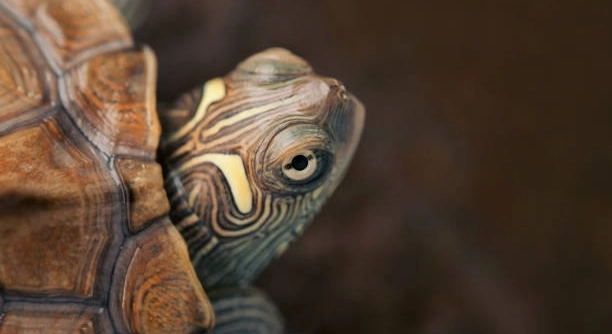
Map turtles, like any pet, require close attention to their health. Recognizing early signs of parasites is crucial to maintaining their well-being and ensuring they thrive in your care. This guide will help you spot common symptoms.
Parasites in map turtles can manifest through various symptoms like loss of appetite, abnormal swimming, or changes in behavior. A healthy turtle should be active, eating, and swimming normally. If these signs are missing, parasites may be present.
Parasites can cause long-term issues if left unchecked. Recognizing symptoms early helps prevent further health problems, ensuring your map turtle remains healthy and happy. Keep reading to learn how to identify and address these concerns.
Common Symptoms of Parasites in Map Turtles
Parasites in map turtles often cause noticeable changes in behavior and appearance. If your turtle becomes lethargic, stops eating, or exhibits erratic swimming patterns, these could be signs of a parasite infestation. Look for unusual physical changes, such as weight loss or shell discoloration. These symptoms may appear gradually, but they are clear indicators that something is wrong. Changes in bowel movements, like diarrhea, are also common signs of parasitic infections. If left untreated, these issues can lead to severe health problems for your turtle, so monitoring their behavior regularly is key.
In addition to behavioral changes, a loss of appetite or refusal to eat is another red flag. Healthy turtles are typically excited at feeding time. If your turtle seems disinterested or avoids food altogether, parasites could be at play.
Quick intervention is important when these symptoms arise. The sooner you address the issue, the better the chances of your turtle recovering fully. Proper diagnosis and treatment are essential to avoid lasting damage. Pay close attention to these early signs, as they can help guide you toward effective solutions.
Causes of Parasitic Infections
Parasites often enter a map turtle’s environment through contaminated water, food, or contact with infected animals. Poor water quality, especially in small tanks, can promote the growth of harmful microorganisms. Turtles are naturally curious and might ingest contaminated food or water, unknowingly introducing parasites to their system. Overcrowded tanks or improper cleaning also contribute to these risks, making it essential to maintain a clean, well-filtered environment for your pet. Regularly inspect their habitat and food sources to avoid these health threats.
The type of parasite affecting your map turtle can vary, but the most common are protozoans, worms, and external parasites like leeches or ticks. Each type requires different treatment methods, so understanding the exact parasite is crucial. Worm infestations are often visible in your turtle’s feces, while protozoans can cause internal issues, like digestive upset. External parasites, on the other hand, might cause visible irritation to your turtle’s skin or shell.
Routine care, including clean water, proper diet, and regular health checks, is the best prevention. Ensure your map turtle’s tank is large enough, with proper filtration, and avoid overfeeding. Be mindful of the signs that indicate something is wrong so you can act quickly. Keeping their environment healthy helps minimize the risk of parasitic infections in the first place.
Identifying Parasites Through Physical Changes
Parasites can cause noticeable changes to your map turtle’s physical appearance. One common sign is a change in shell color or texture, which could indicate an internal issue. If your turtle’s shell starts becoming soft or discolored, it could be a sign of a parasitic infection affecting its health. Another noticeable change is swelling or unusual bumps on their skin.
These physical changes can sometimes appear quickly, especially with external parasites. Swelling around the eyes or other areas can suggest the presence of parasites under the skin. Additionally, lesions or open sores on your turtle’s shell may indicate an infection caused by parasites. Be sure to monitor these changes, as they may worsen without treatment.
If you notice these signs, it’s best to consult a veterinarian. A professional diagnosis will help determine the specific issue and how to treat it. Don’t wait for symptoms to worsen, as untreated infections can lead to serious complications.
Preventing Parasitic Infections in Your Map Turtle
Keeping your map turtle healthy involves maintaining a clean and balanced environment. Regular water changes are crucial to preventing parasites. Dirty water can harbor harmful microorganisms that lead to infections. Invest in a good filtration system, and clean the tank regularly to remove waste and debris. Avoid overfeeding your turtle, as leftover food can also promote parasite growth in the tank.
Proper quarantine procedures are equally important when introducing new turtles or animals into the tank. Never place an unfamiliar turtle in the same habitat without first isolating it for a while to ensure it isn’t carrying parasites. If you have other pets, make sure they don’t have access to the turtle’s living space. By taking simple precautions, you can reduce the likelihood of introducing parasites into your turtle’s environment.
Maintaining a consistent routine of cleaning and proper care helps avoid many common infections. Regular health checks can also catch any early signs of parasites, allowing you to address them before they cause significant harm. Healthy habits and monitoring are key to preventing parasitic infestations from affecting your turtle.
How to Treat Parasites in Map Turtles
If you spot signs of parasites, it’s important to act fast. A veterinarian is your best resource for proper treatment. They may recommend medications or treatments like deworming or antiparasitic baths, depending on the type of parasite your turtle has. Quick intervention ensures your turtle recovers fully.
Treatment might include both oral medications and topical solutions to address internal and external parasites. Make sure to follow the veterinarian’s instructions carefully to avoid complications. The turtle’s environment should also be treated to eliminate any remaining parasites in the water or tank.
Tank Maintenance During an Infection
During treatment, it’s important to maintain an especially clean tank. Ensure all surfaces are disinfected, including decorations, rocks, and filters. Remove any uneaten food promptly to prevent contamination. Use a high-quality water filter and replace water frequently during this time to support your turtle’s recovery. Keeping the tank clean minimizes the chance of reinfection.
FAQ
How do I know if my map turtle has a parasite?
Common signs of parasitic infection in map turtles include loss of appetite, lethargy, abnormal swimming, and changes in bowel movements such as diarrhea. Physical signs like shell discoloration, soft spots, or unusual swelling may also suggest the presence of parasites. If these symptoms appear, it’s important to monitor your turtle closely and consult a veterinarian for an accurate diagnosis.
Can parasites be harmful to map turtles?
Yes, parasites can be very harmful if left untreated. They can lead to long-term health issues, including malnutrition, weakness, and damage to internal organs. In severe cases, parasites can cause your turtle to lose weight, become more susceptible to infections, and even reduce its lifespan. Early detection and treatment are crucial to avoiding these complications.
What are the most common parasites in map turtles?
The most common parasites that affect map turtles are internal parasites like protozoans and worms. External parasites such as ticks, leeches, and mites can also cause issues. Protozoans often cause digestive problems, while worms may be visible in your turtle’s feces. External parasites can irritate your turtle’s skin and shell, leading to swelling or open sores.
How can I prevent parasites from infecting my map turtle?
The best way to prevent parasitic infections is by maintaining a clean tank environment. Regular water changes, using a proper filtration system, and avoiding overcrowding are key to reducing the risk. Quarantine new turtles or animals before adding them to the tank to avoid introducing parasites. Make sure you’re feeding your turtle a balanced diet and remove any uneaten food from the tank promptly.
Is it safe to use over-the-counter treatments for parasites in map turtles?
It’s not recommended to use over-the-counter treatments without veterinary guidance. Many treatments might not be effective or could harm your turtle if not used correctly. It’s always best to get a proper diagnosis from a veterinarian, who can prescribe the right medication or treatment based on the specific type of parasite.
How often should I clean my map turtle’s tank to prevent parasites?
You should clean your turtle’s tank at least once a week, but if you have multiple turtles or if the tank is smaller, cleaning more frequently may be necessary. Regular water changes, cleaning the substrate, and disinfecting decorations are essential to prevent parasite buildup. Make sure to check the water quality often, as poor water quality is a common cause of parasitic infestations.
Can I treat external parasites at home?
For external parasites like ticks or leeches, you can remove them carefully using sterilized tweezers. However, it’s important to check with a veterinarian if you’re unsure how to proceed. Some external parasites might require specialized treatments, such as topical ointments or dips. Your veterinarian can provide the right solution for your turtle’s condition.
What should I do if my map turtle refuses to eat?
A loss of appetite is a common sign of parasitic infections, stress, or illness. If your turtle refuses food for more than a couple of days, it’s important to check for other symptoms like lethargy or unusual behavior. If no physical changes are visible, try offering different foods to entice your turtle. However, if the lack of appetite persists, consult a veterinarian to rule out a parasite or other health issues.
How can I ensure my map turtle’s tank has clean water?
The key to clean water is a good filtration system, regular water changes, and removing waste promptly. A quality filter helps keep the water free of debris and harmful microorganisms. It’s also important to vacuum the substrate to remove any organic matter that might accumulate. Testing water parameters like pH and ammonia levels regularly will also ensure that the environment stays safe for your turtle.
Can I use natural remedies for parasites in my map turtle?
While some natural remedies are thought to help with minor issues, they are often not effective for treating parasitic infections. It’s safer to rely on treatments recommended by a veterinarian, as they are designed specifically for your turtle’s health. Natural remedies may not address the problem thoroughly, and it’s crucial to ensure your turtle gets the proper care and medication to recover fully.
Final Thoughts
Keeping map turtles healthy involves more than just feeding them and providing a tank. Regular monitoring for signs of illness, including parasites, is essential to their well-being. Parasites can affect both their behavior and appearance, so it’s important to stay alert to any changes. Whether it’s a loss of appetite, abnormal swimming patterns, or visible signs like skin or shell issues, noticing these early can make a big difference in how quickly your turtle recovers. The sooner you spot potential problems, the sooner you can get your turtle the help it needs.
Prevention is always the best approach when it comes to parasitic infections. Maintaining a clean and well-maintained environment for your turtle can help keep many parasites at bay. This includes regularly changing the water, using a good filtration system, and ensuring the tank is the right size. Overcrowding can contribute to stress, which makes turtles more vulnerable to infections, so it’s important not to overcrowd the tank. Additionally, quarantining new animals and providing a proper diet helps to minimize the risks that come with parasites.
If you notice any signs of parasitic infection, don’t wait to act. Early treatment is crucial, and seeing a veterinarian is the best way to get an accurate diagnosis and the right treatment plan. Trying to treat the infection without professional advice could lead to complications or even worsen the situation. By keeping a close eye on your turtle’s health, providing a clean living environment, and addressing problems quickly, you can ensure that your map turtle lives a long, healthy life.

Hello,
If you enjoy the content that we create, please consider saying a "Thank You!" by leaving a tip.
Every little bit helps us continue crafting quality advice that supports the health, happiness, and well-being of pets around the world, for pets of all shapes, sizes, and species.
We really appreciate the kindness and support that you show us!