
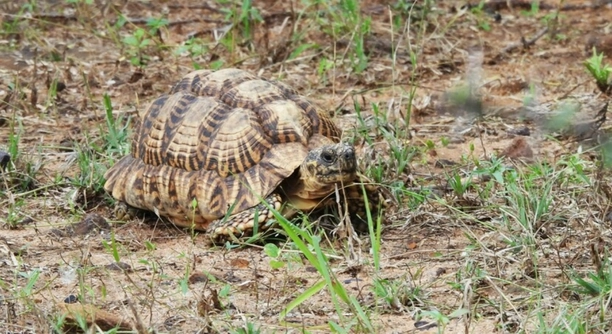
Star tortoises are beautiful creatures, but their shells can sometimes develop fungal infections. Understanding how to spot and treat shell fungus is crucial for keeping your tortoise healthy and comfortable.
Star tortoise shell fungus is a common issue caused by bacteria or fungi, often resulting from improper humidity, poor hygiene, or environmental stress. Early detection and treatment are essential for preventing further complications or damage to the shell.
By recognizing the signs and using the right remedies, you can help your star tortoise recover quickly. In this article, we’ll cover how to spot the infection and suggest practical treatments for restoring your pet’s health.
Identifying Star Tortoise Shell Fungus
Star tortoises may develop shell fungus that causes discoloration, softness, and cracks in the shell. It usually appears as patches or lesions that might look white, gray, or yellowish. This condition is often linked to poor living conditions, including high humidity, unsanitary surroundings, or unbalanced diets. If you notice these symptoms, it’s important to act quickly to avoid serious damage to the tortoise’s shell.
The fungus may also create a bad odor. If left untreated, it can lead to long-term health issues, such as shell deformities or infections affecting internal organs. Early detection is key to minimizing damage.
If you notice patches or any other unusual signs on your star tortoise’s shell, take action immediately. Keeping your tortoise in a clean, dry, and well-maintained environment will help reduce the likelihood of fungal growth. With proper care and attention, you can prevent the fungus from spreading and ensure your tortoise stays healthy.
Causes of Star Tortoise Shell Fungus
Several factors can contribute to the development of shell fungus. Inadequate humidity, improper cleaning, and stress are major contributors. If the environment isn’t dry enough or the tortoise is exposed to too much moisture, the shell can become a breeding ground for fungi.
Poor diet or a lack of proper calcium can also weaken the shell, making it more vulnerable to infections. Star tortoises require a balanced diet with access to UV light for proper calcium absorption. Without these elements, their shells are more likely to be compromised.
To prevent shell fungus, create a stable habitat with consistent temperature and humidity levels. Regular cleaning of the enclosure is vital to keep harmful bacteria or fungi from growing. Provide your tortoise with high-quality food to support a strong and healthy shell.
Remedies for Treating Shell Fungus
To treat star tortoise shell fungus, start by isolating the tortoise from other pets to prevent spreading. Clean the infected area gently with a mild antiseptic, making sure not to harm the shell. Applying antifungal creams specifically designed for reptiles can be helpful in managing the infection. Always consult a vet before applying any medication.
In some cases, soaking the tortoise in warm, clean water with a mild antifungal solution can promote healing. Be sure to keep the tortoise in a dry, well-lit environment while it recovers. It’s also essential to monitor for any signs of worsening or new lesions.
If you notice the fungus continuing to spread or worsening despite your efforts, seeking professional veterinary care is important. A vet can prescribe stronger treatments or other interventions, such as debridement of infected tissue if necessary.
Preventing Future Infections
Prevention is always better than cure when it comes to star tortoise shell fungus. Start by maintaining proper environmental conditions, including the right humidity and temperature. Ensure that your tortoise has access to clean water, a well-balanced diet, and proper UV light for calcium absorption.
Frequent cleaning of the tortoise’s living space is crucial for preventing bacterial or fungal buildup. Regularly sanitize all items in the enclosure, including substrate, water bowls, and hide spots. Make sure your tortoise has a dry, clean area to rest.
Additionally, reduce any stress factors that may weaken your tortoise’s immune system. Tortoises are sensitive to changes in their environment, so try to keep things stable and consistent. By maintaining these practices, you can minimize the chances of fungal infections and keep your star tortoise healthy.
Common Symptoms of Shell Fungus
Star tortoise shell fungus often starts with noticeable changes in the shell. The most common symptoms include discoloration, which can range from white to yellowish patches. The shell may appear soft or spongy, and you might notice cracks developing around the affected areas.
If the fungus spreads, it can cause the shell to become brittle, potentially leading to further damage. In severe cases, the infected area can emit a foul odor due to the decay. Immediate attention is necessary to prevent the fungus from worsening and spreading to other areas of the shell.
Some tortoises may show signs of discomfort, such as reduced movement or lack of appetite. If you see these changes, it’s essential to check their shell for any fungal growth or other abnormalities. Early intervention will help to prevent the infection from escalating into a more serious issue.
Steps to Treat Star Tortoise Shell Fungus
To treat shell fungus effectively, start by isolating the tortoise to prevent contamination. Gently clean the affected areas using a mild antiseptic solution. Avoid scrubbing too hard, as this could damage the shell further. For fungal treatment, use antifungal medications recommended by your vet.
Soaking the tortoise in warm, clean water with a mild antifungal solution can help kill the fungus and promote healing. Be careful not to submerge the tortoise for too long, as excessive water exposure can lead to other health problems. After soaking, ensure that the tortoise is placed in a dry, well-ventilated area.
It’s important to monitor the tortoise regularly for signs of improvement or any worsening symptoms. If the condition does not improve or continues to spread, consult a veterinarian for further advice and treatment options.
Ensuring Proper Care During Treatment
While treating your star tortoise, it’s crucial to maintain proper care throughout the process. Ensure that the enclosure is dry, clean, and free from excess moisture, which can contribute to the growth of fungus. Adjust the humidity levels as necessary to provide a suitable environment for recovery.
Monitor the tortoise’s diet closely. Providing a balanced diet rich in vitamins and minerals will support the healing process. Fresh greens, vegetables, and calcium supplements are essential to strengthen the shell. UV light exposure is also important for calcium absorption.
Keep an eye on the tortoise’s overall health. If it shows signs of weakness or further shell damage, consult a veterinarian. Regular veterinary check-ups can ensure that the tortoise is on the path to recovery and prevent future health issues.
How to Clean the Affected Shell
Cleaning the affected shell area is essential when treating star tortoise shell fungus. Use a mild antiseptic or antifungal solution, and gently apply it to the infected spots. Avoid using harsh chemicals that could harm the tortoise’s shell or skin. Pat dry with a clean cloth.
Ensure that the tortoise’s shell is thoroughly dry after cleaning. Moisture can encourage fungal growth, so it’s important to make sure the shell is completely dry before returning it to its habitat. Keep the enclosure clean and free from excess humidity to prevent future fungal growth.
Creating a Safe, Healing Environment
A clean, dry environment is essential for the recovery of a tortoise with shell fungus. Make sure the temperature and humidity levels are carefully controlled to avoid worsening the infection. Provide ample space for the tortoise to move around and avoid overcrowding.
Proper ventilation is necessary to keep the air fresh and free from excess moisture. Use absorbent bedding material to ensure the enclosure remains dry. Avoid damp areas in the enclosure, as these can contribute to fungal growth and other health issues. A well-maintained habitat will help speed up the recovery process.
When to Seek Professional Help
If the infection persists or worsens despite home treatment, it’s time to consult a veterinarian. A professional can provide more specific antifungal treatments or other interventions to prevent further complications. Prompt medical attention is vital for ensuring your tortoise’s well-being.
FAQ
What causes shell fungus in star tortoises?
Shell fungus in star tortoises is usually caused by poor living conditions, such as excessive moisture, high humidity, or poor hygiene in their habitat. Fungal infections can also result from stress or an unbalanced diet, particularly a lack of proper UV lighting or calcium. Keeping the environment clean and maintaining stable temperature and humidity levels can help reduce the chances of infection.
How can I tell if my star tortoise has shell fungus?
You can tell if your star tortoise has shell fungus by checking for unusual discoloration, such as white, yellow, or gray patches on the shell. The affected areas may feel soft or spongy, and the shell may start to crack. A bad odor could also be a sign of an advanced fungal infection. Pay attention to any changes in your tortoise’s behavior, like reduced movement or appetite, as these can indicate discomfort from the infection.
Is shell fungus contagious?
Yes, shell fungus can be contagious if not properly treated. If you have multiple tortoises or other reptiles in the same habitat, the fungus can spread from one to another. Isolate the affected tortoise immediately to avoid spreading the infection. Clean the habitat thoroughly to prevent cross-contamination.
Can shell fungus affect my tortoise’s health long-term?
If left untreated, shell fungus can lead to long-term health problems, including permanent damage to the shell. The infection can make the shell brittle, deform it, or cause internal infections if it spreads further. Timely treatment is essential to prevent lasting damage. Even with treatment, it may take some time for the shell to fully recover.
How do I treat shell fungus on a star tortoise?
To treat shell fungus, gently clean the infected area with a mild antiseptic or antifungal solution. Apply antifungal creams or medications specifically designed for reptiles. You can also soak the tortoise in warm water mixed with antifungal solutions. Ensure that your tortoise is kept in a clean, dry environment while it recovers. If the condition worsens, consult a veterinarian for stronger treatments.
Can I use human antifungal treatments on my tortoise?
It’s not recommended to use human antifungal treatments on your star tortoise. Reptile medications are formulated specifically for their needs and should be used instead. Consult your veterinarian for recommendations on the best antifungal treatments for your tortoise. Using the wrong medication could cause harm or worsen the condition.
How do I prevent shell fungus from coming back?
To prevent shell fungus from coming back, make sure to maintain proper humidity and temperature levels in your tortoise’s habitat. Keep the enclosure clean, dry, and well-ventilated. Regularly remove any waste, change bedding, and disinfect surfaces. A balanced diet with proper calcium and UV light exposure will also strengthen the tortoise’s shell and immune system, making it less susceptible to fungal infections.
Can shell fungus spread to other parts of the tortoise’s body?
Shell fungus typically stays localized to the shell but can spread if not treated promptly. In rare cases, the infection could spread to other areas of the body, especially if the tortoise is weakened by poor health or stress. If you notice any additional symptoms outside the shell, consult a veterinarian for further diagnosis and treatment.
How often should I clean my star tortoise’s shell during treatment?
During treatment, clean the affected area on your tortoise’s shell every 2 to 3 days to keep it free from bacteria and fungus. Use a gentle antiseptic or antifungal solution and make sure to dry the shell properly after cleaning. If you’re using antifungal creams, follow the instructions given by your veterinarian. Avoid over-cleaning as it can cause irritation.
What temperature and humidity should I maintain for my tortoise during recovery?
For star tortoises recovering from shell fungus, maintain a warm environment with temperatures between 80-85°F (27-29°C) during the day. At night, temperatures can drop to around 70°F (21°C). Humidity should be kept between 50-60%. This balance will help in recovery and prevent future fungal growth. Avoid excess moisture that can promote fungal infections.
Should I give my tortoise a bath while it’s recovering from shell fungus?
Yes, you can give your tortoise a bath in warm water to help keep the shell clean and promote healing. Add a small amount of antifungal solution to the water for extra treatment. Make sure the bath is not too long, as prolonged exposure to water can cause other health issues. After the bath, dry the tortoise thoroughly and place it back in a dry, clean area.
What type of bedding is best for my tortoise during recovery?
Use dry, absorbent bedding like coconut coir, paper towels, or shredded newspaper to keep the enclosure clean and dry. Avoid damp bedding materials that could hold moisture, as this can worsen fungal infections. Ensure the bedding is changed regularly and that the enclosure is cleaned frequently to prevent the buildup of harmful bacteria or fungi.
When can I return my tortoise to its regular enclosure after treatment?
Once the fungal infection has improved and the shell is dry and healed, you can return your tortoise to its regular enclosure. Ensure that the environment is fully cleaned and disinfected to prevent reinfection. Continue to monitor your tortoise for any signs of relapse or new lesions. A vet check-up after treatment can confirm that the infection has cleared completely.
Final Thoughts
Taking care of a star tortoise with shell fungus requires attention to detail and patience. If you notice signs of shell fungus early, the condition can usually be managed with proper care and treatment. The key is maintaining a clean, dry environment and promptly addressing any symptoms. If you detect any discoloration, softness, or cracking in the shell, act quickly to prevent the infection from spreading or becoming more severe. Regularly monitoring your tortoise’s health will help you catch issues early and avoid long-term complications.
Preventing shell fungus is often about creating the right environment for your tortoise. This includes providing the proper temperature, humidity, and lighting. Ensuring your tortoise has access to a balanced diet with adequate calcium is also vital for shell health. Keeping the habitat clean by removing waste and changing the bedding regularly helps minimize the risk of fungal infections. By maintaining these practices, you can reduce the likelihood of shell fungus occurring in the first place, and keep your star tortoise healthy and thriving.
While treating shell fungus, it’s important to be patient. Recovery may take some time, depending on the severity of the infection. Always follow the treatment plan, and consult a veterinarian if you notice any worsening symptoms. The healing process may require consistent care, but with the right steps, your tortoise can recover and regain its health. By staying proactive and informed, you can ensure that your tortoise has a comfortable and healthy life, free from recurring fungal infections.

Hello,
If you enjoy the content that we create, please consider saying a "Thank You!" by leaving a tip.
Every little bit helps us continue crafting quality advice that supports the health, happiness, and well-being of pets around the world, for pets of all shapes, sizes, and species.
We really appreciate the kindness and support that you show us!