
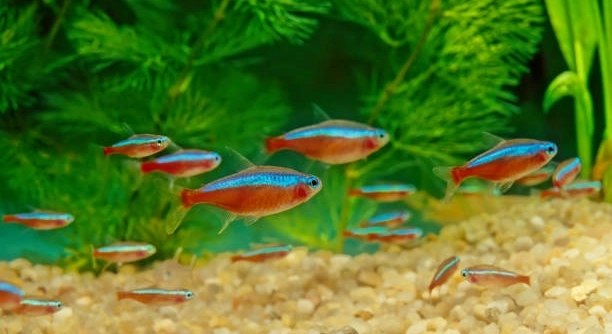
Neon Tetra mouth fungus is a common issue for aquarium owners. This infection can cause discomfort for the fish and requires quick action to prevent it from spreading. Here’s how you can spot and treat it effectively.
Neon Tetra mouth fungus is caused by fungal infections affecting the mouth area of the fish. The symptoms include white growths around the mouth and difficulty eating. Early treatment with antifungal medication and proper tank maintenance can effectively manage the condition.
Taking care of Neon Tetra mouth fungus promptly will prevent further issues. Proper treatment can lead to a healthy and thriving fish.
Symptoms of Neon Tetra Mouth Fungus
Neon Tetra mouth fungus is easy to spot when you know what to look for. The most noticeable symptom is the appearance of white patches or cotton-like growth around the fish’s mouth. These growths are fungal infections that can cause the fish to lose its ability to eat or swim properly. Infected fish often exhibit signs of stress, such as reduced movement, lack of appetite, or erratic swimming patterns. If left untreated, the fungus can spread and damage other parts of the body, which may lead to further complications or even death. Early detection is key to preventing a severe outbreak and ensuring the health of the fish.
Once the infection is spotted, swift action is needed. Treatment typically involves removing the infected fish from the main tank to prevent contamination. Antifungal treatments and maintaining proper water quality will speed up the recovery process. It is essential to monitor the fish closely throughout treatment to ensure they are improving.
Taking steps to prevent the spread of fungus is just as important as treatment. Keep your tank clean and ensure proper filtration to avoid future outbreaks. Also, be sure to check the other fish for any signs of infection, as it can quickly spread among tank mates.
Treatment Options for Mouth Fungus
Antifungal medications are the most common treatment for mouth fungus. These are usually available in aquarium supply stores and are formulated to be safe for fish while targeting fungal growth. Depending on the severity, you may need to treat the tank for several days.
In addition to medication, maintaining a clean tank environment is crucial. Proper filtration and water changes will help reduce the chance of the fungus returning. You can also raise the tank temperature slightly to encourage faster healing, but ensure it remains within a safe range for the fish.
The recovery time varies depending on the severity of the infection. While most fish show improvement within a few days, more serious cases may take longer. It’s essential to continue treatment for the full recommended duration, even if symptoms appear to improve early. Regularly monitor the tank to ensure the infection doesn’t return and to keep other fish healthy.
Preventing Neon Tetra Mouth Fungus
The best way to prevent mouth fungus in Neon Tetras is by maintaining a clean tank. Regular water changes and proper filtration are essential to keep the environment free from harmful bacteria. Avoid overfeeding, as excess food can decompose, causing water quality to drop.
Keeping the tank’s water parameters stable also plays a role in preventing infections. Neon Tetras thrive in water with specific temperature, pH, and hardness levels. When these parameters are outside the ideal range, fish become more susceptible to stress and infections. Regularly test the water to ensure it remains within the appropriate ranges.
Another key factor is the quarantine of new fish before adding them to your tank. This reduces the risk of introducing potential infections. Observe any new arrivals closely for signs of illness, such as unusual behavior or physical changes. By taking these precautions, you can significantly reduce the chances of mouth fungus affecting your Neon Tetras.
Maintaining Tank Health
Proper tank maintenance is crucial for preventing fungal infections in Neon Tetras. This includes ensuring that the tank is well-filtered and free from debris. Regular cleaning of the substrate, decorations, and filter will remove any organic matter that could contribute to poor water quality.
Keeping the water temperature stable is another important step. Neon Tetras prefer water between 72°F and 78°F (22°C to 26°C). If the water temperature fluctuates too much, it can weaken the fish’s immune system, making them more prone to infections like mouth fungus.
In addition to temperature control, maintaining the right water parameters for pH, hardness, and ammonia levels is essential. Regular testing of the water with a reliable aquarium kit will help you stay on top of any changes. A stable, clean environment promotes the overall health and well-being of your fish, reducing the likelihood of fungal outbreaks.
Handling Water Quality Issues
Water quality issues often lead to stress and illness in Neon Tetras, including mouth fungus. Poor water conditions can weaken the fish’s immune system, making them more susceptible to infections. Regularly monitor ammonia, nitrite, and nitrate levels to prevent these problems.
Consistent water changes are the best way to maintain water quality. This ensures the removal of toxins and excess nutrients that can cause bacterial or fungal growth. Aim for a 20-30% water change every week. Additionally, use a reliable water testing kit to track the chemical balance and avoid any sudden changes that could harm the fish.
Keeping the tank clean and properly filtered is essential. A high-quality filter can remove waste and help keep the water fresh. Regular cleaning of the tank’s décor and substrate also prevents organic matter buildup, which could lead to poor water conditions. These practices will go a long way in preventing fungal infections like mouth fungus in your Neon Tetras.
Treating Infected Fish
When a Neon Tetra shows signs of mouth fungus, it’s important to act quickly. Start by isolating the infected fish to prevent the spread of the fungus to others in the tank. Treatment often involves antifungal medications available in aquarium stores.
Follow the medication instructions closely, as overuse can harm the fish. It’s also important to maintain the correct water parameters during treatment to avoid additional stress. Monitoring the fish closely during this time ensures you catch any signs of worsening conditions early. Removing uneaten food promptly and keeping the water clean will also aid in recovery.
With prompt treatment, most infected Neon Tetras can recover fully. However, the key is to address the infection early before it spreads or worsens.
Quarantining New Fish
Quarantining new fish before introducing them to your tank is a crucial step in preventing the spread of disease. This practice helps identify any potential health issues early. A separate quarantine tank allows you to observe the new fish for signs of illness.
New fish should be quarantined for at least two weeks before being added to the main tank. During this time, monitor for any signs of mouth fungus or other infections. If an infection is detected, treat the fish in isolation to prevent contamination of the main tank.
FAQ
What causes Neon Tetra mouth fungus?
Neon Tetra mouth fungus is caused by fungal infections that typically occur due to poor water quality, stress, or injury. These conditions weaken the fish’s immune system, making them more susceptible to infections. Overcrowding, improper tank conditions, or introducing infected fish can also increase the risk.
How can I tell if my Neon Tetra has mouth fungus?
The most obvious sign of mouth fungus is the appearance of white, cotton-like growth around the fish’s mouth. This can also extend to the gills and surrounding areas. Infected fish may show difficulty eating, lethargy, and signs of stress, such as erratic swimming. Early identification is key to preventing the spread of the infection.
Can I treat mouth fungus at home?
Yes, mouth fungus can typically be treated at home using antifungal medications designed for aquarium use. These are available at pet stores and aquarium supply shops. Follow the instructions on the medication carefully and monitor the fish’s recovery progress. It’s also important to maintain optimal water quality during treatment.
How long does it take for a Neon Tetra to recover from mouth fungus?
The recovery time varies based on the severity of the infection and how quickly it was treated. Most fish will show signs of improvement within a few days of starting antifungal treatment, but complete recovery can take anywhere from one to two weeks. It’s important to continue the treatment until the infection is fully cleared to prevent relapse.
What should I do if the fungus keeps coming back?
If the fungus continues to return, it may indicate an underlying problem with the tank environment or the fish’s immune system. Check your water quality and ensure the parameters are within the ideal range for Neon Tetras. You might also consider improving filtration, reducing stress factors, or adding a broader spectrum antifungal treatment.
Can other fish in the tank get infected by mouth fungus?
Yes, mouth fungus is contagious and can spread to other fish if they come into contact with an infected fish. To prevent this, immediately isolate the infected fish and treat it in a separate tank. It’s also important to monitor the rest of the fish for any signs of infection.
What are the best water conditions for preventing mouth fungus?
Neon Tetras thrive in slightly acidic water with a pH between 6.0 and 7.0. The water temperature should range between 72°F and 78°F (22°C to 26°C), and the water hardness should be soft to moderately hard. Regular water changes and maintaining good filtration will help keep these conditions stable, preventing fungal growth.
Can stress cause mouth fungus in Neon Tetras?
Yes, stress can weaken a Neon Tetra’s immune system, making it more vulnerable to infections like mouth fungus. Common stressors include overcrowding, poor water conditions, sudden changes in temperature, or the introduction of aggressive tank mates. Reducing stress in the tank is essential to preventing fungal infections.
Should I remove the infected fish from the tank?
Yes, you should isolate any infected fish to prevent the spread of mouth fungus to other tank mates. Place the infected fish in a quarantine tank where you can treat it separately. Keeping the main tank free of infected fish helps reduce the chances of cross-contamination and ensures the health of the other fish.
Can mouth fungus affect other types of fish?
While mouth fungus is commonly seen in Neon Tetras, other species of fish can also be affected, especially in poor tank conditions. Fish with weak immune systems or those exposed to high levels of stress are more susceptible. It’s important to monitor all your fish closely for signs of illness, especially if you’ve noticed mouth fungus in one of them.
Is there a way to prevent mouth fungus before it starts?
Maintaining optimal water quality is the most effective way to prevent mouth fungus. Regular water changes, good filtration, and monitoring water parameters will reduce the risk. Avoid overcrowding the tank, as this can stress the fish and increase the likelihood of fungal infections. Additionally, quarantining new fish before introducing them to the tank will help keep the main tank free from diseases.
Can I use salt to treat mouth fungus in Neon Tetras?
Salt is often used in aquarium treatments, but it’s not the best solution for fungal infections like mouth fungus. It may offer some relief for minor skin infections or wounds but is less effective against fungal growth. Antifungal medications are more reliable and specifically designed to treat this condition.
What is the best antifungal treatment for Neon Tetras?
There are several antifungal medications available for aquarium use. Look for a medication that specifically targets fungal infections in fish, such as copper-based treatments or formalin. Always follow the manufacturer’s instructions closely, and ensure the product is safe for your type of fish.
Can I treat multiple fish at once for mouth fungus?
If multiple fish are infected, you can treat them at the same time, but you must ensure that the tank is large enough to support them during treatment. Isolating them in a quarantine tank is ideal, as it allows for more controlled treatment and prevents the spread of the infection to other tank mates.
What other illnesses have similar symptoms to mouth fungus?
Several illnesses can cause similar symptoms to mouth fungus, such as mouth rot, bacterial infections, or injuries. Mouth rot, for example, often shows as discolored or damaged tissue around the mouth. It’s important to distinguish between these conditions to treat them effectively. If in doubt, consult a veterinarian or aquarium specialist.
Final Thoughts
Mouth fungus in Neon Tetras is a common problem, but it’s one that can be managed with the right approach. Early detection is crucial to ensuring that the infection doesn’t spread or worsen. Monitoring your fish for any signs of illness, such as the white, cotton-like growth around the mouth, allows you to take action before the fungus becomes a serious issue. By isolating infected fish and starting treatment as soon as possible, you give your Neon Tetras the best chance at recovery.
Maintaining clean, stable water conditions is one of the most effective ways to prevent mouth fungus. Poor water quality, high levels of stress, and overcrowding are all factors that can weaken a fish’s immune system, making them more susceptible to infections. Regular water changes, proper filtration, and monitoring the water parameters can help create a healthy environment for your fish. Ensuring that the water temperature, pH, and hardness are within the ideal range for Neon Tetras is essential for preventing fungal growth and keeping your fish healthy.
In addition to water quality, keeping your fish stress-free is vital for their overall well-being. Stress from overcrowding, incompatible tank mates, or sudden changes in tank conditions can lead to a weakened immune system, increasing the likelihood of infections. Properly quarantining new fish before introducing them to your main tank also helps reduce the risk of spreading diseases. By following these practices and addressing mouth fungus promptly when it occurs, you can help ensure your Neon Tetras remain happy and healthy in their aquatic home.

Hello,
If you enjoy the content that we create, please consider saying a "Thank You!" by leaving a tip.
Every little bit helps us continue crafting quality advice that supports the health, happiness, and well-being of pets around the world, for pets of all shapes, sizes, and species.
We really appreciate the kindness and support that you show us!