
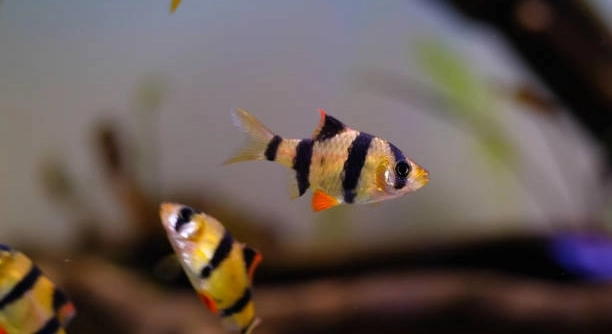
Do you ever find yourself worried that your tiger barb might be acting a little off or swimming differently than usual?
Early signs of illness in tiger barbs include faded color, clamped fins, erratic swimming, loss of appetite, and unusual hiding behavior. Identifying these symptoms quickly can help prevent the spread of disease and improve recovery outcomes.
Learning how to spot these signs early will help you take quick action and protect the health of your entire tank.
Signs Your Tiger Barb Might Be Sick
Tiger barbs are active fish, so it’s easy to notice when something feels off. A sick tiger barb often swims less, hides more, or stays near the bottom of the tank. Faded colors are another sign, especially when the black stripes look dull or washed out. Clamped fins, where the fins are held tight to the body, usually mean the fish is unwell. Watch for labored breathing or hanging near the surface. Loss of appetite and sudden aggression or isolation can also be early warning signs. These changes often come before more obvious symptoms, like bloating or lesions. Checking your fish daily helps you spot these issues early. Pay close attention to how they swim, how they eat, and how they interact with other fish. These small changes in behavior or appearance are often your first clue that something isn’t right. Quick action can keep things from getting worse.
Changes in swimming, color, appetite, or social behavior are all signs that your tiger barb may be getting sick.
The faster you catch these signs, the easier it is to treat the issue. Ignoring them can lead to stress, infections, or even death. Routine observation really does make a difference. Keeping the tank environment clean and stable supports recovery and helps prevent illness from spreading to other fish.
What to Do When You Notice Symptoms
Early symptoms should never be ignored. Isolate the fish if possible, especially if you see visible signs like white spots, bloating, or fin rot. Test the water for ammonia, nitrite, and nitrate levels, and check the temperature. Poor water quality can quickly make fish sick, even if symptoms start off mild. Change part of the water, clean the substrate, and remove any uneaten food. A sick tiger barb may need medication, so research the symptoms to find the right treatment. Make sure you use a hospital tank if needed, and follow dosing instructions carefully. Keep the main tank stable during treatment. Feed the fish small, high-quality meals and reduce stress by lowering lighting and limiting disturbances. Don’t forget to check other tank mates for signs of illness. Even when only one fish shows symptoms, the entire tank may be affected. Keeping a close eye on things can help you avoid bigger problems.
Common Illnesses in Tiger Barbs
Ich is one of the most common issues, showing up as tiny white spots on the body and fins. Fin rot is another frequent problem, usually starting with frayed or discolored fins and spreading if untreated. These illnesses can appear quickly and often spread to other fish.
Ich is caused by parasites and often appears when water conditions are poor or the fish is stressed. Infected tiger barbs may scratch against objects, breathe heavily, or act sluggish. Raising the water temperature slightly and using over-the-counter medications can help clear up mild cases. Fin rot, often caused by bacteria, starts with fin damage and progresses if water quality is poor. It’s important to act early with antibacterial treatments and improved tank maintenance. Both conditions can be prevented by keeping water clean, avoiding sudden changes in temperature, and feeding a balanced diet. Regular tank care reduces stress and supports the fish’s immune system.
Dropsy and swim bladder disease are also seen in tiger barbs. Dropsy causes bloating and raised scales, and it’s usually a sign of internal infection or organ failure. It’s hard to treat and often fatal. Swim bladder issues, on the other hand, cause difficulty swimming or floating. Overfeeding and poor diet are common triggers. To manage these conditions, isolate the fish and stop feeding for a day or two. Then offer high-fiber foods like shelled peas. Keep the water clean and monitor the fish for any improvement. These conditions need quick care, and the earlier they’re caught, the better the chances of helping the fish recover.
Preventing Future Illness
Clean water is key. Test it regularly and change a portion of it weekly. Always remove uneaten food and waste. Avoid overcrowding the tank and keep stress levels low. These steps help protect tiger barbs from common illnesses.
Quarantining new fish is one of the most important steps you can take. New arrivals can carry parasites or bacteria without showing symptoms. Keeping them in a separate tank for two to three weeks allows you to monitor for illness before introducing them to the main aquarium. It also helps your existing fish stay healthy. Avoid sudden changes in water temperature or pH, as these can weaken your fish’s immune system. Feed your tiger barbs a balanced diet of high-quality flakes, pellets, and occasional live or frozen foods. A healthy diet improves resistance to disease. Also, avoid overfeeding, which can lead to water problems and digestive issues. With consistent care, your tiger barbs can stay active, colorful, and disease-free.
When to Contact a Vet
If your tiger barb shows no improvement after home care or starts to worsen, it’s time to seek professional help. A vet with fish experience can diagnose internal problems and prescribe stronger medication when needed. Early action often gives the best chance for recovery.
Rapid breathing, swollen eyes, or open wounds are signs of serious illness that may require expert care. If more than one fish shows symptoms or dies suddenly, a vet can help identify if there’s an underlying cause affecting the tank environment or overall fish health.
The Importance of Observation
Paying close attention to your tiger barb’s normal behavior makes it easier to spot changes. Spend a few minutes each day watching how they swim, eat, and interact. Early detection helps you take action before a minor problem turns into a serious issue. Healthy fish are alert, active, and have steady movement. If something feels different, trust your instincts and take a closer look.
Simple Daily Checks
Check how your fish swim and look at their color and fins. Look for signs like clamped fins, hiding, or odd movement.
FAQ
What does a stressed tiger barb look like?
A stressed tiger barb may swim erratically, hide more often, or chase other fish aggressively. Its colors might appear faded, and its fins can look clamped or held close to the body. It may also stop eating. Stress usually comes from poor water quality, sudden temperature changes, or tank overcrowding. Fixing the source of stress early helps prevent illness. Always check for changes in the tank and observe how the fish behave toward each other. Stress doesn’t always mean sickness, but it often leads to it if not addressed in time.
Can tiger barbs recover from illness without medication?
Some mild cases can improve without medication, especially if water conditions are corrected and stress is reduced. For example, minor swim bladder issues may clear up with fasting and feeding shelled peas. However, bacterial and parasitic infections usually need targeted treatments. Ignoring early symptoms can lead to the condition worsening. Keep the tank clean, isolate the sick fish if needed, and monitor it closely. If there’s no sign of recovery in a few days, it’s safer to use appropriate medication. Preventative care, including good water quality and proper feeding, is the best defense.
Is it normal for tiger barbs to stop eating sometimes?
Tiger barbs may skip meals occasionally, especially when they’re adjusting to a new environment or if there’s a minor change in water conditions. This can be normal, but if the fish refuses food for more than a couple of days, it’s often a sign something is wrong. Illness, stress, or poor water quality are common causes. Check for other symptoms like hiding, clamped fins, or unusual swimming. If the fish seems healthy otherwise, offer a variety of food like flakes, frozen brine shrimp, or bloodworms to spark its appetite.
How often should I check for signs of illness?
Daily checks are ideal. It only takes a few minutes to observe your tiger barbs during feeding or casual swimming. Look for any unusual behavior, changes in color, torn fins, or signs of injury. Consistent observation helps catch problems early, especially in community tanks where illness can spread fast. Keeping a routine makes it easier to notice even the smallest change. Healthy fish are active, alert, and have steady, smooth movements. The sooner a problem is noticed, the more successful the treatment usually is.
Can I treat the whole tank if one fish is sick?
You can treat the whole tank if several fish are showing symptoms or if the disease is highly contagious, like ich. However, for less severe or isolated issues, it’s often better to move the sick fish to a hospital tank. This avoids stressing healthy fish and keeps medication costs down. Use tank-wide treatment only when necessary and always follow product instructions carefully. Overmedicating a healthy tank can disrupt beneficial bacteria. Monitor water quality during and after treatment. Some medications may impact the biological filter or lower oxygen levels, so aeration might be needed.
Are tiger barbs more sensitive to illness than other fish?
Tiger barbs are generally hardy, but they are sensitive to poor water conditions and stress. They thrive in stable, clean tanks with consistent temperature and pH. They also need space to swim and a balanced diet. Sudden changes, overcrowding, or aggressive tank mates can make them more likely to get sick. While they aren’t the most fragile species, neglecting care makes them vulnerable. Healthy tiger barbs are active and social, so any change in behavior should be taken seriously. Good tank management keeps them strong and reduces their risk of illness.
What should I feed a sick tiger barb?
Feed sick tiger barbs high-quality, easily digestible foods in small amounts. Frozen or live foods like brine shrimp or bloodworms are ideal because they are nutrient-rich and more tempting for a fish that’s lost its appetite. Avoid overfeeding, especially if the fish isn’t eating well. Uneaten food can quickly foul the water and worsen the condition. If the fish has swim bladder issues, try feeding shelled peas, which can help with digestion. Focus on water quality as much as food, since stress and toxins can prevent recovery even with a good diet.
How long does it take a sick tiger barb to recover?
Recovery time depends on the illness and how early it’s treated. Minor issues like stress or mild swim bladder problems may clear up in a few days. Bacterial infections or parasites can take a week or more with proper medication. If caught early and treated correctly, recovery is usually successful. Monitor the fish closely during treatment and give it time to regain strength. Keep the tank stable, avoid overfeeding, and continue checking water quality. Some fish may show improvement quickly, while others take more time. Patience and good care are key to helping your tiger barb get better.
Final Thoughts
Caring for tiger barbs means more than just feeding them and watching them swim. It involves understanding their behavior, knowing what healthy habits look like, and being alert when something changes. Illness in fish can move fast, so being prepared is important. Many signs of sickness are easy to miss at first. Faded colors, strange swimming, or loss of appetite may not seem serious, but they can be early warnings. Taking a few minutes each day to observe your fish closely helps you catch these changes early. The earlier you act, the better the chances of helping your fish recover.
Keeping the tank environment clean and stable is the most effective way to prevent illness. Dirty water, overcrowding, and stress are the most common causes of health problems in tiger barbs. Make sure to test the water regularly and change it weekly. Feed a mix of high-quality food and avoid overfeeding. Quarantining new fish before adding them to your tank is another key step. This small effort can stop illnesses from spreading and protect all the fish in your care. Every part of daily and weekly maintenance plays a role in keeping your tank healthy and your fish safe.
Even with the best care, sickness can happen. What matters most is how quickly you respond. If you spot a problem, isolate the fish if needed, check your water parameters, and begin treatment as soon as possible. Many conditions can be managed or even cured with early care. Avoid waiting too long or trying to fix things without knowing the cause. When unsure, look for reliable information or ask a vet with fish experience. Caring for tiger barbs takes consistency, attention, and patience. These small actions help you maintain a healthy aquarium where your fish can thrive. Over time, you’ll become more confident in noticing what’s normal and what isn’t. With practice and care, you’ll be able to support your tiger barbs through both the good days and the harder ones.

Hello,
If you enjoy the content that we create, please consider saying a "Thank You!" by leaving a tip.
Every little bit helps us continue crafting quality advice that supports the health, happiness, and well-being of pets around the world, for pets of all shapes, sizes, and species.
We really appreciate the kindness and support that you show us!