
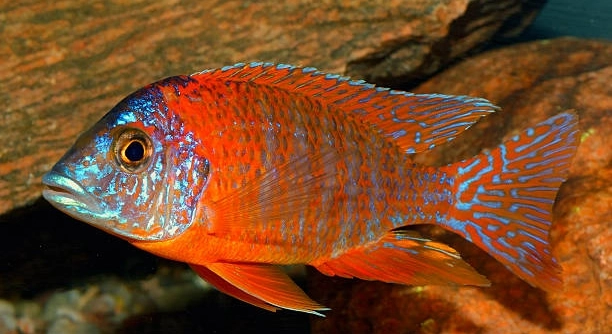
Male convict cichlids are popular in home aquariums due to their bold stripes and active behavior. Recognizing males early can help with breeding, tank compatibility, and ensuring a balanced aquatic environment for all your fish friends.
Male convict cichlids can be distinguished by their larger size, more pointed dorsal fins, and the presence of a pronounced nuchal hump. Males also display more vibrant coloration and territorial behaviors compared to females.
Learning these distinctions allows aquarists to manage their tanks effectively and maintain healthy interactions among their cichlids. Observing these traits can make caring for your fish much simpler.
Physical Traits That Reveal the Male
Male convict cichlids are usually larger than females, with a more elongated body shape that stands out in a tank. Their dorsal fins are sharper and taller, giving them a distinctive silhouette. One of the clearest indicators is the nuchal hump on the forehead, which becomes more pronounced as males mature. The black vertical stripes on males are often bolder and more defined than those of females, making them easier to identify at a glance. Males may also show subtle hints of blue or iridescence along their sides, a trait females rarely display. Observing their size and fin shape alongside these color variations provides reliable confirmation. Behavior also supports identification; males tend to patrol territories and display dominance over other fish, especially during breeding periods. By combining these physical and behavioral cues, aquarists can quickly and accurately spot males in a mixed tank environment.
These physical traits are reliable and visible even in small tanks. Observing them carefully helps in tank management.
Watching males interact with their surroundings highlights their territorial nature. Their bold movements and posture differences make them stand out. Recognizing these signs early can prevent conflicts and ensure healthier breeding setups, allowing the tank to function smoothly while maintaining harmony among all fish. Consistently monitoring these traits will improve care and handling.
Behavioral Patterns to Observe
Male convict cichlids are noticeably more territorial than females, often defending specific areas of the tank.
Males exhibit strong protective instincts, especially during breeding. They guard eggs and fry diligently, chasing away other fish that approach too closely. This territorial behavior is accompanied by specific posturing: flared fins, raised dorsal ridges, and direct swimming toward intruders. Males also engage in frequent digging or rearranging of substrate to create optimal nesting spaces, a behavior less common in females. During feeding, they often assert dominance by taking the best spots and occasionally nudging other fish aside. These consistent behavioral patterns make it easier to identify males without relying solely on physical traits. Monitoring their interactions over time gives a clear picture of hierarchy and helps prevent aggression from escalating. Understanding both movement and social behavior ensures aquarists can manage tanks effectively, providing suitable space and hiding spots while maintaining a balanced environment for all convict cichlids present.
Size and Growth Differences
Males are generally larger than females, growing faster and reaching a more robust size. Their bodies appear longer and thicker, which makes them easy to differentiate in a mixed tank. Size alone can be a strong indicator when other traits are less visible.
Male convict cichlids continue growing well into adulthood, often reaching two to three inches longer than females. Their increased size is accompanied by thicker tails and more muscular bodies, which support their territorial behavior. Observing a group over time shows clear differences in length and bulk between males and females, making identification simpler. Regular monitoring of growth patterns provides insight into their health and development.
Growth differences also affect interactions with tank mates. Larger males tend to dominate feeding areas and display more confident swimming patterns. Recognizing these size variations allows for better tank planning, preventing conflicts and ensuring each fish has adequate space for movement and nesting. Paying attention to body structure over time provides a reliable method to spot males.
Color and Pattern Distinctions
Males display bolder, more intense stripes compared to females, often with darker black markings. Their coloration can include subtle blue or green hues, which are rarely seen in females.
The contrast in stripe intensity is one of the easiest ways to identify a male convict cichlid. While females have lighter, softer stripes, males’ patterns stand out sharply against their body color. Seasonal and environmental factors can affect coloration slightly, but males consistently maintain stronger, clearer stripes. These patterns also become more pronounced during breeding periods, making identification straightforward. Observing the vibrancy of stripes over time ensures accurate recognition.
Color differences often correlate with behavior. Males’ vivid patterns signal dominance and readiness to defend territory, while females remain less conspicuous. Paying attention to both pattern and hue helps differentiate sexes quickly, improving tank management. Combining visual observation with behavioral cues ensures correct identification, which is important for breeding and minimizing conflicts in shared aquariums.
Fin Shape and Size
Male convict cichlids have longer, more pointed dorsal and anal fins compared to females. These fins often appear taller and sharper, giving males a more angular profile in the tank. Observing fin shape closely helps confirm the sex of the fish.
The caudal fin of males is also slightly broader and more rigid. During displays or territorial behavior, these fins flare more prominently, making males easy to spot. Comparing fin size across several fish in the tank provides a clear visual cue for identification.
Nuchal Hump Development
The nuchal hump is a bulge that develops on the forehead of mature males. It becomes more noticeable as the male ages and grows larger. This feature is rarely seen in females and is a strong indicator of sex.
Behavioral Dominance
Males often assert themselves by patrolling the tank and claiming territories. They chase away intruders and establish clear boundaries. Recognizing these behaviors helps differentiate males from females and supports effective tank management.
FAQ
How can I tell a male convict cichlid from a female quickly?
The fastest way is by looking at size, fin shape, and the nuchal hump. Males are usually larger, with taller, more pointed dorsal and anal fins. The nuchal hump on their forehead becomes prominent as they mature. Their stripes are darker and more defined, and their behavior is more territorial. Watching how they patrol and defend areas in the tank often confirms their sex faster than visual traits alone.
Do males always have a nuchal hump?
Not immediately. The nuchal hump develops as males mature, usually around six to nine months of age, depending on diet and tank conditions. Young males may look similar to females, so fin shape, body size, and stripe intensity are better early indicators.
Why are males more aggressive than females?
Male convict cichlids are naturally territorial, especially when breeding or guarding a nesting site. They assert dominance over tank space and other fish, often chasing intruders. This behavior is part of their natural survival instincts and is more pronounced than in females, who tend to stay near eggs or fry rather than patrol the tank aggressively.
Do color patterns help identify males reliably?
Yes. Males generally have bolder, darker stripes, sometimes with subtle hints of blue or green along their sides. Females have softer, lighter stripes and less vibrant coloration. Stripe intensity becomes especially noticeable during breeding or when males are defending territory. Environmental factors can slightly influence color, but patterns remain a consistent indicator.
Can a male and female convict cichlid be kept together safely?
Yes, with careful planning. A balanced male-to-female ratio reduces aggression, particularly during breeding periods. Providing sufficient space, hiding spots, and separate territories helps maintain peace. Observing behavior regularly ensures conflicts are minimized, and adjustments can be made if a male becomes overly dominant.
Do males grow faster than females?
Typically, yes. Males reach larger sizes and have more muscular bodies, which supports their territorial nature. Monitoring growth differences over time allows for easier identification and helps ensure tank conditions meet the needs of all fish, preventing stress or competition.
Is it necessary to separate males during breeding?
It is not always necessary, but sometimes beneficial. Males can become highly protective of eggs and fry, potentially stressing other fish. Providing separate breeding areas or tank dividers can reduce conflicts, ensuring both male and female cichlids maintain healthy behavior without injuring others.
How soon can I identify a male in a mixed tank?
Identification is easiest after the male reaches six months, as physical traits like fin shape, size, and nuchal hump become clearer. Behavioral cues, such as territorial patrols and dominance displays, also help spot males earlier, especially when multiple fish are observed together.
Do environmental factors affect male characteristics?
Yes, diet, water quality, and tank size influence growth, color intensity, and behavior. Well-fed males in spacious tanks develop stronger fins, bolder stripes, and more pronounced nuchal humps. Poor conditions can delay or reduce these characteristics, making males harder to distinguish from females.
What is the simplest method to spot a male fast?
Look for a combination of size, fin shape, stripe intensity, and behavior. Males are larger, have pointed dorsal and anal fins, bold stripes, and actively patrol or defend territories. Observing a fish during feeding or breeding activity often highlights these traits immediately, providing a reliable identification method.
How can I minimize male aggression in a tank?
Providing enough space, hiding spots, and multiple territories reduces fights. Pairing males with more females or keeping territorial males separate during breeding can prevent excessive stress. Observing interactions and adjusting tank setup when needed ensures a balanced environment.
Do males change behavior as they age?
Yes. Young males may be less aggressive and show subtle fin or stripe differences. As they mature, territorial and protective behaviors increase. The nuchal hump develops, fins grow taller, and dominance displays become more frequent, making older males easier to identify than juveniles.
Can males live with other species?
Yes, if tank mates are chosen carefully. Peaceful, similarly sized fish work best. Avoid small or slow-moving species that may be harassed. Providing hiding spots and open swimming areas helps reduce aggression and allows males to coexist with non-competing fish.
Is visual observation enough to identify males?
Often, yes, when combined with behavior. Size, fin shape, stripe intensity, and nuchal hump provide clear visual cues. Watching how a fish moves, patrols, or defends territory reinforces identification. Consistent observation ensures accurate recognition, especially in mixed or young populations.
How long does it take to confidently identify a male?
With careful observation of physical traits and behavior, males can usually be identified between six months and one year. Environmental factors and tank conditions may influence development, but combining size, fins, color, and territorial behavior provides a reliable method to confirm sex early.
Can multiple males live together?
Yes, if the tank is large enough with distinct territories. Too many males in a confined space can lead to conflicts, so careful planning of tank layout and monitoring behavior is essential. Providing separate hiding spots and visual barriers reduces aggression and helps maintain harmony.
What are the main mistakes when identifying males?
Relying on size alone or observing juveniles can lead to misidentification. Ignoring behavioral patterns or subtle stripe differences also causes confusion. Combining physical traits, fin shape, color intensity, and territorial behavior ensures accurate identification and avoids common errors.
Does diet influence male appearance?
Yes, a balanced diet rich in protein and nutrients supports growth, fin development, and stripe vibrancy. Poor nutrition can stunt development, dull coloration, and make males harder to distinguish from females, affecting both appearance and behavior in the tank.
Are males more visible during breeding?
Definitely. Breeding enhances all male traits: the nuchal hump enlarges, stripes become bolder, fins flare during displays, and territorial behavior intensifies. Observing males during breeding provides the clearest opportunity to confirm sex quickly and reliably.
How to spot a male if there are many fish?
Focus on size, fin shape, and movement patterns. Watch which fish patrol areas or display dominance. Bold stripes and a growing nuchal hump will stand out. Observing interactions over time helps identify males accurately even in crowded tanks.
Final Thoughts
Identifying a male convict cichlid can be straightforward when you focus on key physical traits and behavior. Size is one of the most noticeable indicators, as males are generally larger and more muscular than females. Their dorsal and anal fins are taller and more pointed, giving them a sharper appearance. The nuchal hump on their forehead becomes visible as they mature and is rarely seen in females. Stripe intensity is another important factor, with males showing darker and more defined vertical bands. Observing these features together allows you to make a reliable identification, even in a tank with multiple fish. Paying attention to gradual changes over time, such as fin growth and color vibrancy, further helps confirm which fish are males.
Behavioral patterns provide additional confirmation and can be just as telling as physical traits. Males tend to patrol the tank more actively, establishing territories and chasing away other fish that enter their area. During breeding periods, their territorial instincts become even stronger, and they will guard eggs or fry diligently. They often display dominance through specific movements, such as flaring fins, arching dorsal ridges, or swimming directly toward intruders. These behaviors are consistent and distinguish males from females, who are generally less aggressive and more focused on nest care. Watching interactions over several days or weeks can give a clear picture of which fish are male and help manage tank dynamics more effectively.
Successfully identifying males is not only about recognition but also about maintaining a balanced tank environment. Knowing which fish are males allows you to plan breeding setups, avoid unnecessary conflicts, and ensure each fish has adequate space and resources. Environmental factors, such as tank size, hiding spots, and diet, play a role in the development of physical traits and behavior, so maintaining optimal conditions is essential. Paying attention to both visual and behavioral cues ensures you can identify males early and take steps to provide a healthy, stable environment. Over time, combining careful observation with proper tank management creates a harmonious setting where convict cichlids can thrive, making care and monitoring much simpler.

Hello,
If you enjoy the content that we create, please consider saying a "Thank You!" by leaving a tip.
Every little bit helps us continue crafting quality advice that supports the health, happiness, and well-being of pets around the world, for pets of all shapes, sizes, and species.
We really appreciate the kindness and support that you show us!