
Have you ever wondered how to choose a healthy rainbow shark when shopping for your aquarium? Selecting a vibrant, active fish is important for its well-being and your enjoyment. Knowing what signs to look for can help you avoid unhealthy specimens.
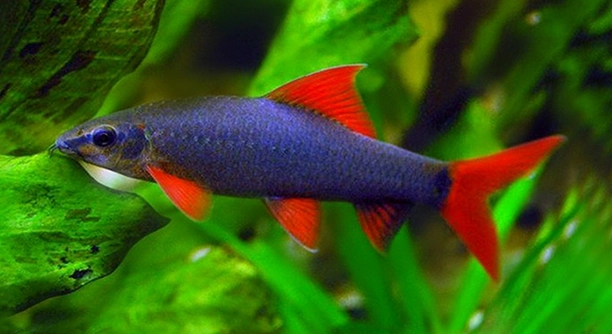
A healthy rainbow shark exhibits clear, intact fins, bright coloration, and smooth, unblemished scales. It should be alert, swimming actively, and respond to surroundings without signs of stress or illness, such as clamped fins or lethargy.
Recognizing these traits early ensures you bring home a strong, thriving fish ready for your tank environment.
Identifying Physical Signs of Health
When looking for a healthy rainbow shark, focus on its physical condition. The fish should have smooth, shiny scales without any spots, sores, or discoloration. Its fins need to be fully intact and free from tears or fraying. Clear eyes without cloudiness or swelling are also a good sign. The fish’s body should appear well-proportioned and free of any lumps or swelling. Avoid fish that show signs of white patches, which can indicate fungal infections. Bright coloration, especially the red or orange on the fins and tail, signals good health. Watch the fish closely for a moment to see if it swims confidently and steadily. Healthy rainbow sharks will glide smoothly through the water, showing energy but not erratic movements. Fish that float awkwardly, gasp at the surface, or hide constantly may be unwell and should be avoided.
Healthy rainbow sharks look vibrant and active. Avoid fish with damaged fins or dull colors.
Checking these signs helps you pick a strong fish that will adapt well to your tank and stay healthy for a long time.
Observing Behavior in the Tank
Watching how the rainbow shark moves in the store tank gives important clues about its health. Healthy sharks swim steadily, exploring the tank without stress. They respond to movements outside the tank by becoming alert but not frantic. Avoid fish that hide constantly or remain still at the bottom. These behaviors can indicate illness or poor adjustment to the environment. It’s also normal for rainbow sharks to establish a territory and swim alone, so look for confident movement rather than signs of lethargy or weakness. A healthy rainbow shark will maintain balance and swim smoothly without wobbling or bumping into tank decorations. Behavior is often the first indicator of health problems, so take the time to observe before buying.
Water Quality and Tank Conditions
Water quality in the store tank greatly affects the health of the rainbow shark. Clear water with proper filtration supports the fish’s immune system. Cloudy or dirty water can stress fish and lead to disease. When shopping, notice if the store maintains clean tanks with stable temperature and pH levels suitable for rainbow sharks. Poor water conditions cause fish to become weak or develop infections. If the store allows, ask about recent water changes or tank maintenance routines. Healthy fish are more likely found in well-kept environments. A stable tank mimics their natural habitat, helping the fish remain active and vibrant. Choosing a rainbow shark from a clean tank increases your chances of bringing home a healthy pet. This simple check protects your investment and promotes long-term success in your aquarium.
Choosing the Right Size
Smaller rainbow sharks tend to adapt better to new tanks. Juveniles are easier to acclimate and usually healthier than fully grown fish.
Selecting a young rainbow shark around 2 to 3 inches long allows for easier transportation and less stress. Larger fish may have hidden health issues or be more aggressive in confined spaces. It’s important to consider the adult size as well since they can grow up to 6 inches. Make sure your tank is large enough to support their growth. Buying smaller fish gives you time to observe their health over several weeks and ensures they settle well in your aquarium environment.
Young fish often adjust better to new tanks, but you should still provide adequate space for growth. Proper tank size helps maintain their well-being and reduces stress during adjustment.
Checking for Signs of Stress
Stress signs include clamped fins, rapid breathing, and erratic swimming. These symptoms often indicate poor health or unsuitable tank conditions.
A rainbow shark under stress may hide constantly or gasp at the water surface for air. Stress weakens their immune system and makes them vulnerable to infections. Observe how the fish behaves in the store tank before buying. Healthy fish swim steadily and explore their environment without panic. If possible, check for signs of parasites like small spots or flashing against objects. Avoid fish showing any of these symptoms as they may require treatment and can introduce illness to your tank. Choosing a calm and active fish reduces problems after purchase and helps ensure long-term health.
Tank Compatibility
Rainbow sharks prefer tanks with plenty of hiding spots and open swimming areas. Avoid overcrowding to reduce stress and aggression. They are territorial, so consider tank mates carefully.
Choosing peaceful fish species helps maintain harmony. Aggressive or very small fish may not coexist well with rainbow sharks.
Inspecting the Mouth and Gills
Healthy rainbow sharks have clean, intact mouths and bright red gills. Look for smooth lips without swelling or damage. Gills should move rhythmically and appear free of mucus or discoloration. Signs of inflammation or pale gills can indicate poor health or infection. Observing these features closely helps ensure the fish is not suffering from respiratory issues or injuries that might affect its survival after purchase.
Avoiding Overcrowded Tanks
Overcrowded tanks increase the risk of disease and stress for rainbow sharks. Fish kept in cramped conditions often display signs of illness or weakened immune responses. It’s best to select fish from tanks with ample space and fewer occupants to improve their chances of a healthy transition to your home aquarium.
FAQ
How can I tell if a rainbow shark is healthy before buying?
Look for bright colors, intact fins, and smooth scales. The fish should swim actively and not hide all the time. Check that its eyes are clear, not cloudy. Healthy fish respond calmly to movement outside the tank without frantic behavior or gasping at the surface. Avoid fish with torn fins, spots, or unusual lumps.
What size rainbow shark is best to buy?
It’s usually better to choose smaller fish around 2 to 3 inches long. Young rainbow sharks adapt better to new tanks and are less stressed by transportation. Keep in mind they can grow up to 6 inches, so plan a large enough tank to accommodate their adult size. Starting with a smaller fish lets you observe its health and behavior before it grows.
Are rainbow sharks aggressive?
Rainbow sharks can be territorial, especially with their own kind. They may chase smaller or similar-sized fish if the tank is overcrowded. Providing hiding spots and enough swimming space helps reduce aggression. Pairing them with peaceful fish that occupy different parts of the tank generally works well.
What tank conditions do rainbow sharks need?
They prefer clean, well-filtered water with a temperature between 72°F and 79°F (22°C – 26°C). The pH should be between 6.5 and 7.5. A tank with hiding places and open swimming areas suits them best. Regular water changes and maintaining good water quality are essential to keep the fish healthy.
Can rainbow sharks live with other fish?
Yes, but choose tank mates carefully. Avoid very small fish or aggressive species that may provoke the shark. Good companions include peaceful bottom dwellers or fast swimmers that stay in different tank areas. Avoid overcrowding, which can increase stress and territorial fights.
What signs of illness should I watch for?
Look for clamped fins, white spots, torn fins, or unusual swelling. Rapid breathing or gasping at the surface can indicate stress or poor water quality. Lethargy and hiding more than usual are warning signs. If the fish flashes against tank decorations, it might have parasites. Avoid fish showing these symptoms.
How long should I observe a rainbow shark before buying?
Spend a few minutes watching its behavior. Healthy fish swim steadily and interact with their environment. Avoid fish that hide constantly or show erratic movements. Taking time to observe helps prevent bringing home an unhealthy fish that may require treatment later.
Is it important to know the store’s tank maintenance routine?
Yes. Well-maintained tanks usually have healthier fish. Ask if water is changed regularly and if filters are cleaned. Stores with clean tanks and stable water conditions reduce the risk of buying stressed or sick fish. Proper care at the store helps ensure a smooth transition to your home aquarium.
What should I do after bringing a rainbow shark home?
Quarantine the fish for at least two weeks to watch for signs of illness. Maintain stable water conditions and feed a balanced diet. Monitor its behavior closely and avoid sudden changes in temperature or water quality. Giving the fish time to adjust helps reduce stress and promotes long-term health.
Can rainbow sharks get stressed easily?
Yes, they can become stressed from poor water quality, overcrowding, or aggressive tank mates. Stress weakens their immune system, making them prone to illness. Providing a stable environment, proper diet, and suitable companions helps keep stress levels low and the fish healthy.
FAQ
How can I tell if a rainbow shark is healthy before buying?
Look for bright colors, intact fins, and smooth scales. The fish should swim actively and not hide all the time. Check that its eyes are clear, not cloudy. Healthy fish respond calmly to movement outside the tank without frantic behavior or gasping at the surface. Avoid fish with torn fins, spots, or unusual lumps.
What size rainbow shark is best to buy?
It’s usually better to choose smaller fish around 2 to 3 inches long. Young rainbow sharks adapt better to new tanks and are less stressed by transportation. Keep in mind they can grow up to 6 inches, so plan a large enough tank to accommodate their adult size. Starting with a smaller fish lets you observe its health and behavior before it grows.
Are rainbow sharks aggressive?
Rainbow sharks can be territorial, especially with their own kind. They may chase smaller or similar-sized fish if the tank is overcrowded. Providing hiding spots and enough swimming space helps reduce aggression. Pairing them with peaceful fish that occupy different parts of the tank generally works well.
What tank conditions do rainbow sharks need?
They prefer clean, well-filtered water with a temperature between 72°F and 79°F (22°C – 26°C). The pH should be between 6.5 and 7.5. A tank with hiding places and open swimming areas suits them best. Regular water changes and maintaining good water quality are essential to keep the fish healthy.
Can rainbow sharks live with other fish?
Yes, but choose tank mates carefully. Avoid very small fish or aggressive species that may provoke the shark. Good companions include peaceful bottom dwellers or fast swimmers that stay in different tank areas. Avoid overcrowding, which can increase stress and territorial fights.
What signs of illness should I watch for?
Look for clamped fins, white spots, torn fins, or unusual swelling. Rapid breathing or gasping at the surface can indicate stress or poor water quality. Lethargy and hiding more than usual are warning signs. If the fish flashes against tank decorations, it might have parasites. Avoid fish showing these symptoms.
How long should I observe a rainbow shark before buying?
Spend a few minutes watching its behavior. Healthy fish swim steadily and interact with their environment. Avoid fish that hide constantly or show erratic movements. Taking time to observe helps prevent bringing home an unhealthy fish that may require treatment later.
Is it important to know the store’s tank maintenance routine?
Yes. Well-maintained tanks usually have healthier fish. Ask if water is changed regularly and if filters are cleaned. Stores with clean tanks and stable water conditions reduce the risk of buying stressed or sick fish. Proper care at the store helps ensure a smooth transition to your home aquarium.
What should I do after bringing a rainbow shark home?
Quarantine the fish for at least two weeks to watch for signs of illness. Maintain stable water conditions and feed a balanced diet. Monitor its behavior closely and avoid sudden changes in temperature or water quality. Giving the fish time to adjust helps reduce stress and promotes long-term health.
Can rainbow sharks get stressed easily?
Yes, they can become stressed from poor water quality, overcrowding, or aggressive tank mates. Stress weakens their immune system, making them prone to illness. Providing a stable environment, proper diet, and suitable companions helps keep stress levels low and the fish healthy.

Hello,
If you enjoy the content that we create, please consider saying a "Thank You!" by leaving a tip.
Every little bit helps us continue crafting quality advice that supports the health, happiness, and well-being of pets around the world, for pets of all shapes, sizes, and species.
We really appreciate the kindness and support that you show us!