
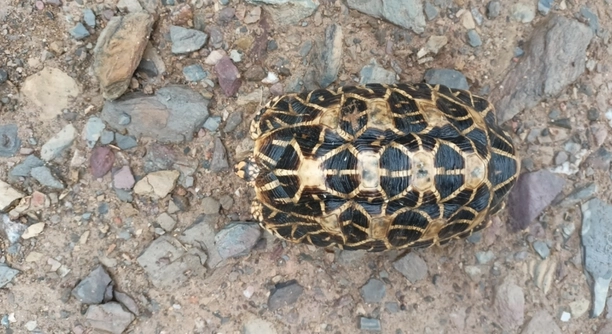
Do you ever find yourself wanting to buy an Indian star tortoise but worrying about getting a fake one? Fake tortoises are commonly sold in markets, and identifying them correctly is important to ensure you are purchasing a healthy, genuine pet.
The best way to spot a fake star tortoise is by examining its shell pattern, plastron shape, and overall appearance. Genuine star tortoises have distinct, symmetrical star-like markings, while fake ones often have irregular patterns, painted shells, or incorrect body structures.
Many sellers try to pass off other tortoise species as Indian star tortoises. Knowing the key differences will help you make an informed decision and avoid purchasing a misidentified or artificially altered tortoise.
7 Clues to Spot a Fake Star Tortoise
Fake star tortoises are often sold by unethical breeders or vendors. These tortoises may be painted, mislabeled, or even from a completely different species. Learning to identify a real Indian star tortoise is important to avoid supporting illegal wildlife trade and ensure you are getting a healthy pet. Their distinctive shell patterns, body shape, and behavior set them apart from imposters. A fake tortoise may have unusual colors, unnatural markings, or an incorrect plastron shape. Knowing these differences will help you make a confident decision when buying a star tortoise from a breeder or pet store.
A fake star tortoise is usually identified by its shell pattern, plastron shape, size, and behavior. Some sellers even paint or modify the shells of other tortoise species to make them look like Indian star tortoises. This can lead to issues in care and health.
The following clues will help you determine if a star tortoise is real or fake. Observing these features closely can prevent you from making a costly mistake. Understanding what makes a star tortoise unique will ensure you buy a genuine one that is healthy and properly identified.
1. Shell Pattern and Symmetry
A real Indian star tortoise has a shell with well-defined, symmetrical star-like markings. These patterns are natural and evenly spaced, creating a striking appearance. Fake tortoises often have irregular patterns, faded colors, or artificially enhanced markings. Some may even have hand-painted designs that wash off over time.
A genuine star tortoise’s shell has a natural texture and consistent growth rings. A fake one may have an unusually smooth surface, signs of paint, or an unnatural shine. The lines on a real star tortoise’s shell remain symmetrical as they grow, whereas fakes may have uneven or messy designs. Checking for these signs is one of the easiest ways to spot a fake.
When purchasing a star tortoise, take a close look at the shell under good lighting. Any signs of paint, artificial coloring, or inconsistent patterns could indicate that the tortoise is not genuine.
2. Plastron Shape and Texture
A real Indian star tortoise has a slightly concave plastron in males and a flat plastron in females. Fake tortoises often have an irregularly shaped or overly smooth plastron, sometimes with unnatural textures that feel off when touched.
Examining the plastron closely is important. A genuine star tortoise’s plastron has natural growth lines and a firm structure. In contrast, a fake one may have inconsistent textures or signs of tampering. Some sellers use chemicals to smooth out imperfections or alter the shape. The plastron should also match the tortoise’s age and size. A small tortoise with a very flat or overly concave plastron may be misrepresented. Looking for any unnatural changes can help you determine if the tortoise is real or fake.
A fake tortoise’s plastron may also feel too soft or fragile. This could mean the tortoise is unhealthy or not a real star tortoise. A strong, well-formed plastron is a key sign of a healthy, genuine tortoise. If the bottom of the shell appears altered, artificially smooth, or oddly shaped, it is best to be cautious before purchasing.
3. Size and Growth Pattern
A real Indian star tortoise grows slowly and reaches a specific size depending on its gender. Males are typically smaller, around 6 inches, while females grow larger, reaching up to 12 inches. If a tortoise is too large or too small for its apparent age, it might not be a real Indian star tortoise.
Growth rings on the shell of a genuine star tortoise form naturally over time. A fake tortoise may have an unusual or inconsistent growth pattern, with shell segments appearing too smooth or artificially aged. Some sellers even use sanding or polishing techniques to create a misleading appearance. Checking for natural growth lines is an effective way to verify authenticity.
Star tortoises have a predictable growth rate, and their size should match their age. A tortoise that appears stunted or unusually large may have been misidentified or altered. Asking about the tortoise’s age and comparing it to its size can help determine if it is genuine. Always check for natural growth patterns before making a purchase.
4. Color and Texture of the Shell
A real star tortoise has a natural, slightly rough shell texture with well-defined ridges. Fake tortoises often have shells that feel too smooth or polished. Some may have an artificial gloss, which can indicate tampering or painting to enhance appearance.
The shell color should be a mix of yellow and black with clear star-like patterns. Fake tortoises might have faded, uneven, or overly bright colors that seem unnatural. If the shell looks painted or has an unusual shine, it may not be a real Indian star tortoise.
5. Behavior and Activity Level
A real star tortoise has a shy, slow-moving nature and prefers to hide rather than roam actively. If a tortoise is overly energetic or behaves differently than expected, it might be another species being misrepresented. Observing natural behavior can help verify authenticity.
6. Leg and Head Markings
A genuine star tortoise has yellowish-brown legs with small black markings. The head is usually yellowish with minimal patterns. A fake tortoise may have inconsistent markings, overly bright colors, or an unusual skin texture that does not match the species’ natural appearance. Checking these details can prevent misidentification.
FAQ
How can I tell if the tortoise I’m looking at is a real Indian star tortoise?
Look at the shell pattern first. A real Indian star tortoise will have symmetrical, star-like patterns. Check the plastron, as it should have a natural concave shape in males or a flat one in females. The size should also match the tortoise’s age. Be cautious of any irregularities in texture or appearance that might indicate a fake.
Can I rely on the seller’s description to know if the tortoise is real?
While some sellers provide accurate information, it is better to rely on your own knowledge and observations. Look for signs such as shell pattern, size, and behavior. Sellers may sometimes misidentify or misrepresent the tortoise, especially if they are unaware or dishonest about its origin.
Are there any dangers in buying a fake star tortoise?
Yes, buying a fake or mislabeled tortoise can result in health issues and incorrect care. Fake tortoises may come from unhealthy or unknown environments, which can lead to diseases or behavioral problems. Additionally, if you unknowingly support illegal wildlife trade, you’re contributing to unethical practices.
How can I ensure the tortoise is not painted or artificially altered?
Inspect the tortoise’s shell carefully. A painted shell will have an unnatural shine, and the paint may be uneven or come off over time. Gently scratch the surface with your finger to see if any paint rubs off. Real star tortoises do not need painting, and their patterns should be naturally occurring.
What should I do if I find a fake tortoise?
If you suspect that a tortoise is fake, report it to local authorities or wildlife protection organizations. Purchasing or supporting the sale of fake tortoises can harm both the animal and the conservation efforts for endangered species. You can also warn others by sharing your experience with the breeder or store.
Are there any specific features in the legs or head to look for?
Yes, a genuine Indian star tortoise has legs with yellowish-brown coloring and small black markings. The head is typically yellowish with minimal patterns. Fake tortoises may have unnatural or inconsistent markings on their legs and head, such as bright or unusual colors. Look for natural, subdued tones that align with the species.
Is there a specific age when a star tortoise’s pattern becomes more noticeable?
The pattern on a star tortoise’s shell begins to develop as they age. Young tortoises may have less defined patterns, but as they grow, the stars become clearer and more distinct. Be wary of a very young tortoise with fully formed patterns, as this could be a sign of tampering or misidentification.
What’s the difference between a baby star tortoise and a fake one?
A baby star tortoise has a smoother shell when young, but the star patterns should be present. Fake ones might have bright, overly symmetrical designs or painted shells. Look for natural shell texture and growth rings, even in babies. The shape of the plastron can also help differentiate between a real and fake baby.
Can a fake star tortoise live in the same environment as a real one?
A fake star tortoise is typically a different species with different care requirements. For example, their diet, habitat, and temperature needs might not align with the needs of an Indian star tortoise. Keeping a fake tortoise could lead to poor health, as its environment may not support its well-being. Make sure you’re purchasing the right species for your care setup.
Do star tortoises have unique behaviors that help identify them?
Real star tortoises are relatively slow-moving and tend to hide in their shells when feeling threatened. They also have a more reserved nature. If a tortoise is overly active or doesn’t show normal signs of retreating when approached, it could be a sign that it’s not a true Indian star tortoise.
Final Thoughts
When purchasing an Indian star tortoise, it’s important to be aware of the signs of a fake one. By carefully examining the shell pattern, plastron shape, size, and overall appearance, you can avoid falling for misidentifications or fraudulent sales. The natural star-like markings on the shell and the distinct behavior of the tortoise are crucial indicators of authenticity. The key is to look closely at the details and know what to expect from a healthy, genuine star tortoise. If something looks off, it’s worth taking a step back and reconsidering the purchase.
Fake star tortoises are often sold by people who may not be informed about the species or, in some cases, are involved in unethical practices. These tortoises can suffer from health issues, improper care, and poor living conditions. Purchasing a fake or mislabeled tortoise not only harms the animal, but it can also lead to unnecessary costs and confusion. It’s essential to do your research and, if possible, buy from reputable breeders or pet stores that are committed to selling only genuine animals. Always ask for details about the tortoise’s background, and never be afraid to ask for extra photos or proof of its authenticity.
In the end, the goal is to provide a safe and healthy environment for your tortoise. Real Indian star tortoises are not only beautiful creatures, but they also require proper care and attention to thrive. By being informed and vigilant, you can ensure that the tortoise you bring into your home is a real star, free from health concerns or mistreatment. Don’t rush the process; take your time to choose wisely and support ethical practices in the pet trade.

Hello,
If you enjoy the content that we create, please consider saying a "Thank You!" by leaving a tip.
Every little bit helps us continue crafting quality advice that supports the health, happiness, and well-being of pets around the world, for pets of all shapes, sizes, and species.
We really appreciate the kindness and support that you show us!