
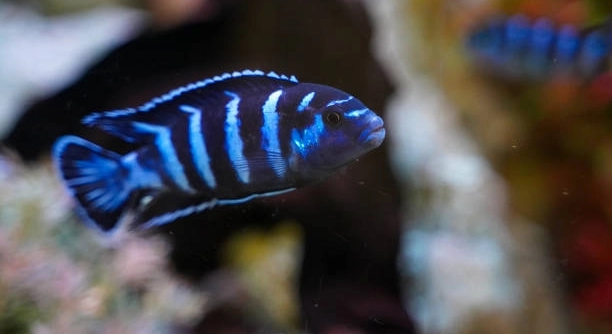
African cichlids are popular fish among hobbyists because of their colors and interesting behaviors. One important behavior is brooding, where the fish protect their eggs or young. Knowing how to spot this can help in caring for them properly.
A brooding African cichlid usually shows clear signs such as guarding a specific area, reduced movement, and changes in color or body posture. These behaviors indicate the fish is protecting its eggs or fry and requires minimal disturbance to ensure survival.
Recognizing these signs can improve your ability to care for your cichlids during this sensitive time. Proper understanding supports both the fish’s well-being and your enjoyment as an aquarium keeper.
Recognizing Brooding Behavior in African Cichlids
When an African cichlid begins brooding, its behavior changes noticeably. The fish often stays close to a specific spot, usually a flat rock or a hidden area in the tank, where it lays its eggs. During this time, it becomes more protective and may chase other fish away. You might also see the cichlid opening and closing its mouth slowly, which helps oxygenate the eggs. Color changes can occur as well—some cichlids become paler or darker to blend with their surroundings better. The fish will often reduce its swimming activity to avoid drawing attention to the eggs or fry. This phase usually lasts several weeks until the young are strong enough to swim freely. Observing these behaviors helps you know when to avoid disturbing the tank and provide extra care.
Brooding cichlids are sensitive and need a calm environment with minimal stress. Avoid sudden movements near the tank.
Providing proper hiding spots and clean water supports the cichlid during this vulnerable stage.
Caring for Brooding African Cichlids
It is important to give brooding cichlids space and reduce tank disturbances. Sudden changes in light or water conditions can cause stress that harms the eggs or fry. Feeding the parents lightly but regularly keeps them healthy without causing extra waste in the tank. Keeping the water clean and maintaining stable temperature and pH levels are critical. Adding gentle filtration helps avoid strong currents that might disrupt the eggs. Sometimes, removing aggressive tank mates temporarily is necessary to protect the brooding fish.
During brooding, monitor your cichlid closely for signs of stress or illness. If the fish appears weak or stops eating, it may need extra attention. Separating the brooding cichlid into a breeding tank can be helpful in some cases, especially if other fish are too aggressive. This dedicated space lets the parent care for the young without interruptions. After the fry are free-swimming, gradually introduce them back to the main tank while ensuring plenty of hiding places for their protection. With patience and care, you can help your cichlids successfully raise their young.
Signs to Watch During Brooding
Brooding cichlids show protective behavior that includes guarding their eggs and fry closely. They may become aggressive or territorial, especially toward other fish nearby. You will notice less social interaction as they focus on care.
Their body language changes—often staying low near the nesting site with fins spread. Mouthbrooders may keep eggs or fry inside their mouths for protection, only briefly opening to breathe or clean. Watch for reduced feeding, as brooding fish tend to eat less, focusing energy on guarding. Any sudden movement or disturbance can trigger a defensive response, so observing quietly is best. These signs confirm the fish is brooding and help you avoid unnecessary stress for both parent and offspring.
Knowing these signs also prepares you for changes in tank dynamics. Other fish may become uneasy or bullied, so keep an eye on all inhabitants. This helps maintain peace and protects the young during this delicate phase.
Feeding and Nutrition for Brooding Cichlids
Brooding cichlids need a balanced diet to stay strong. Feeding high-quality, protein-rich foods supports their energy during this demanding time. Avoid overfeeding, as uneaten food can harm water quality and the eggs. Offer small amounts several times a day to keep nutrition steady without excess waste.
Foods like brine shrimp, bloodworms, and specially formulated pellets work well. Fresh vegetables can be added for variety but should not replace protein sources. If the fish is mouthbrooding, feeding may become less frequent, so nutrient-dense meals are key when they do eat. Proper nutrition encourages healthy development of the eggs and fry while supporting the parent’s recovery after brooding.
Keeping food clean and fresh prevents infections. Rinse live or frozen foods before offering them. Good nutrition combined with careful tank management increases the chances of successful breeding and fry survival.
Common Mistakes When Spotting Brooding Cichlids
Many people confuse normal hiding behavior with brooding. Not every time a cichlid stays in one spot means it is protecting eggs. Observation over time helps clarify true brooding signs from usual rest or stress behaviors.
Another mistake is disturbing the fish too often. Constant attention can stress the parent and harm the developing eggs or fry, so it is best to watch from a distance.
Using Tank Setup to Support Brooding
A tank with plenty of hiding places and flat rocks helps cichlids feel secure when brooding. Proper lighting and gentle water flow reduce stress. Keep water parameters stable to encourage healthy breeding behavior and protect eggs from damage.
Monitoring Water Quality
Maintaining clean water is crucial during brooding. Regular testing for ammonia, nitrites, and nitrates helps prevent dangerous spikes that can harm eggs or fry. Clean water supports the health of both parent and offspring.
FAQ
How long does brooding last in African cichlids?
Brooding usually lasts between two to four weeks, depending on the species. Mouthbrooders tend to hold their fry in their mouths for about 2–3 weeks, while substrate spawners guard eggs and fry for a similar length of time until the young can swim independently.
Can I feed a brooding cichlid normally?
Brooding cichlids often eat less or stop eating, especially mouthbrooders. When they do eat, offer small, nutritious portions like live or frozen protein-rich foods. Avoid overfeeding since uneaten food can spoil the water and stress the fish.
Is it necessary to separate brooding cichlids from other fish?
Separating is not always required but can be helpful if tank mates are aggressive or if the brooding fish shows signs of stress. A separate breeding tank provides safety and reduces risks to eggs or fry.
What signs indicate a brooding cichlid is stressed?
Signs include frantic swimming, loss of appetite, rapid gill movement, or hiding more than usual. Stress can harm the eggs or fry, so it’s important to maintain calm tank conditions and avoid frequent disturbances.
How can I tell if my cichlid is mouthbrooding?
Mouthbrooders keep their mouths slightly open or swollen when holding eggs or fry inside. They may refuse to eat and stay near shelter or the tank bottom to protect their brood.
Do brooding cichlids change color?
Yes, many African cichlids show color changes during brooding. Some become duller or darker to camouflage, while others develop brighter colors to signal aggression and territorial behavior.
What water conditions are best for brooding cichlids?
Stable temperature, pH, and clean water are essential. Most African cichlids prefer temperatures around 75-82°F (24-28°C) and a pH between 7.5 and 8.5. Regular water testing and gentle filtration help keep conditions safe.
How often should I check on brooding cichlids?
Check quietly once or twice a day to monitor their behavior and water quality. Avoid frequent or sudden visits near the tank, as this can cause stress and affect brooding success.
What do I do if the eggs or fry get eaten?
Egg or fry loss can happen due to stress, aggression, or poor conditions. Ensuring good tank setup, stable water, and minimizing disturbances lowers this risk. If problems persist, consider moving the brooding fish to a separate breeding tank.
Can I raise fry with adult cichlids?
Adult cichlids sometimes eat fry, so it’s safer to move young fish to a separate tank once they start swimming freely. Providing plenty of hiding places can help, but separation is the most reliable way to protect fry.
How do I prepare my tank for breeding?
Provide flat rocks or caves as spawning sites, stable water conditions, and a nutritious diet for the parents. Reducing aggressive tank mates before breeding starts improves the chances of success.
Will my cichlid brood again soon after?
After brooding, cichlids usually need time to recover before breeding again. This can take a few weeks to months depending on the species and tank conditions. Proper care during recovery helps prepare them for future broods.
Final Thoughts
Watching an African cichlid brood is an interesting part of keeping these fish. The changes in behavior and appearance show how much care the parent puts into protecting its eggs or young. Understanding the signs of brooding helps you provide the right environment and avoid disturbing the fish. When you notice a cichlid guarding a specific spot or acting more aggressive than usual, it is likely brooding. This behavior is natural and important for the survival of the next generation.
Taking good care of a brooding cichlid means paying attention to water quality, tank setup, and feeding habits. Clean water and stable conditions are key to keeping both the parent and offspring healthy. Providing hiding places and soft lighting can reduce stress for the brooding fish. Feeding small amounts of nutritious food helps maintain the parent’s strength during this demanding time. It is also important to give the fish space and avoid unnecessary tank disturbances, which can cause stress or even harm the eggs or fry.
Brooding can be a delicate time for both the fish and the aquarium keeper. Patience and careful observation go a long way toward success. Sometimes problems may happen, such as eggs being eaten or the parent showing signs of stress, but many issues can be prevented by creating a calm, well-maintained environment. By understanding what to expect and how to support your African cichlid during brooding, you improve the chances of raising healthy fry and enjoy watching this fascinating behavior.

Hello,
If you enjoy the content that we create, please consider saying a "Thank You!" by leaving a tip.
Every little bit helps us continue crafting quality advice that supports the health, happiness, and well-being of pets around the world, for pets of all shapes, sizes, and species.
We really appreciate the kindness and support that you show us!