
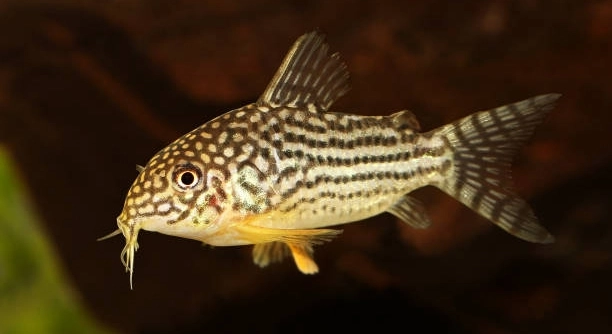
Corydoras catfish are popular for their peaceful nature and charming antics in aquariums. If you’re considering breeding them, it’s important to create an environment that supports their needs. Setting up a proper breeding tank can be rewarding.
To set up the ideal Corydoras catfish breeding tank, ensure it has a stable environment with gentle filtration, soft substrate, and appropriate water parameters. Providing hiding spots, proper lighting, and suitable plants can help create a conducive breeding habitat.
Creating the perfect breeding tank for Corydoras involves careful planning. From selecting the right equipment to maintaining water quality, there are several factors to consider for optimal results.
Creating the Right Environment for Corydoras Catfish
Setting up a Corydoras catfish breeding tank begins with understanding their habitat needs. These fish are native to South America, where they thrive in slow-moving rivers with soft, slightly acidic water. Replicating these conditions is key to successful breeding. A gentle filter is essential to keep the water clean without creating strong currents, as Corydoras prefer calm waters. The tank should have a soft substrate, like sand, to avoid damaging their delicate barbels while they sift through it in search of food.
You will need to maintain water parameters that mimic their natural habitat. The ideal pH level for breeding is around 6.5 to 7.0, with a temperature range between 72-78°F (22-26°C). Regular water changes, ensuring the water is free of toxins like ammonia and nitrites, are also vital for maintaining a healthy environment.
To encourage breeding, provide hiding spots and plants like Java moss or floating plants. These plants give the fish a place to feel secure, which can reduce stress. Corydoras need a calm, stable environment to spawn, and these small details can make a big difference in success.
Proper Filtration for Your Breeding Tank
Filtration plays an important role in creating a suitable tank environment.
The filter should be gentle enough to maintain water quality without disrupting the peaceful nature of the tank. Avoid powerful filters that could create strong currents. Instead, opt for sponge filters or hang-on-back filters that provide efficient filtration with minimal flow. This will prevent any disturbances in the tank while still keeping the water clean. Proper filtration will ensure healthy water conditions, encouraging your Corydoras to breed.
Selecting the Right Substrate for Breeding
The right substrate is crucial for the well-being of your Corydoras catfish.
Corydoras are bottom dwellers, so they need a soft substrate that won’t harm their delicate barbels. Sand is the best choice, as it allows them to sift through it naturally without injury. Gravel can be too sharp, causing damage to their sensitive barbels. Sand also provides a more natural environment for them, mimicking the conditions of their natural habitat. Keep the substrate clean with gentle water changes to prevent any build-up of waste.
A soft, clean substrate is also important for the overall health of the tank. It encourages natural foraging behaviors and makes the fish feel comfortable and secure. A clean tank substrate can reduce the chances of bacterial growth, promoting a healthier environment. Additionally, sand doesn’t trap food or waste like gravel might, making it easier to maintain water quality. The right substrate contributes to a stress-free breeding environment, helping your Corydoras feel at home and encouraging successful breeding.
Water Temperature and pH Levels
Maintaining the correct water temperature and pH is essential for breeding success.
Corydoras catfish prefer temperatures between 72-78°F (22-26°C), with stable conditions being key. Sudden temperature fluctuations can stress the fish, preventing them from breeding or causing health issues. Consistent water conditions will allow them to thrive and breed in a stable, comfortable environment. Use a heater to maintain the temperature within this range, and regularly monitor it with an aquarium thermometer.
In addition to temperature, pH levels are critical. The water should be slightly acidic to neutral, ranging between 6.5 and 7.0. This closely mirrors their natural environment in the wild. Too high or too low of a pH can cause stress, making the fish less likely to breed. A stable pH level ensures their well-being and encourages breeding behavior. Regular water testing kits can help you track pH and other vital parameters, keeping the tank conditions just right for your Corydoras.
Adding Hiding Spots and Plants
Adding hiding spots and plants creates a secure environment for Corydoras.
Corydoras like to feel safe and hidden, especially when they are breeding. Plants like Java moss and floating plants provide natural cover. Driftwood and rocks can also offer hiding spots. These features help reduce stress and give the fish a sense of security. The more hiding spots available, the more comfortable the fish will feel.
These hiding places can also encourage natural behavior, allowing the fish to explore and forage in a low-stress environment. A well-decorated tank with these elements can lead to happier, more active Corydoras.
The Role of Lighting
Lighting plays a subtle yet important role in breeding.
Corydoras prefer dim lighting, which mimics their natural habitat in shaded rivers. Using soft, subdued lighting helps create a calm atmosphere. Avoid strong, bright lights, as they can cause stress. Natural lighting or low-power LED lights can work well to provide just the right amount of light.
Proper Tank Size
Choosing the right tank size is essential for the health of your Corydoras.
Corydoras are small fish, but they need enough space to thrive. A 20-gallon tank is a good minimum size for a breeding setup. Larger tanks provide more room for the fish to explore and spread out. A bigger tank also helps maintain stable water conditions, which is crucial for breeding.
FAQ
How do I encourage Corydoras to breed?
To encourage Corydoras to breed, mimic the conditions of their natural habitat. Maintain a stable water temperature between 72-78°F (22-26°C) and a slightly acidic pH range of 6.5-7.0. A gentle filter and a soft substrate like sand are essential. Providing hiding spots with plants, such as Java moss or floating plants, will also reduce stress and help the fish feel secure. You can induce breeding by doing a partial water change with cooler water, which simulates the rainy season in their natural habitat.
Can I breed Corydoras in a community tank?
Yes, Corydoras can breed in a community tank, but there are some considerations. A peaceful community tank with non-aggressive fish is ideal. Be mindful of larger or more active species that might disturb the Corydoras or eat the eggs. Keeping the tank free of strong currents is also important. It’s helpful to add plants and hiding spots where the Corydoras can feel secure during the breeding process.
What do Corydoras eggs look like?
Corydoras eggs are small, translucent, and sticky. They often appear in clusters on surfaces like glass, plants, or decorations within the tank. The eggs are typically light yellow to translucent when laid, and after fertilization, they darken slightly. The eggs will hatch in about 3-7 days, depending on water temperature. It’s important to remove any non-fertilized eggs, as they can lead to fungus growth.
How can I protect Corydoras eggs from other fish?
To protect Corydoras eggs from being eaten, you can move them to a separate breeding tank or use an egg tumbler. Alternatively, you can place a mesh or breeding box around the eggs to keep other fish away while still allowing water flow. Some breeders also leave the eggs in the original tank but remove other tankmates temporarily to prevent them from disturbing or eating the eggs.
What is the best food for Corydoras fry?
Once the Corydoras eggs hatch, the fry will initially feed on their yolk sacs. After this period, they can be fed finely crushed flake food, powdered algae wafers, or live foods like infusoria or newly hatched brine shrimp. As they grow, you can slowly introduce larger food items. Be sure to feed them small amounts several times a day to encourage growth without polluting the water.
How long does it take for Corydoras to reach breeding age?
Corydoras generally reach breeding age at around 6-12 months, depending on the species and environmental conditions. However, it’s important to wait until they are fully mature. Younger Corydoras may not yet have developed the necessary size or reproductive capability to breed successfully. Ensuring they are well-fed and in optimal water conditions will help them grow faster and healthier.
What is the best water hardness for breeding Corydoras?
Corydoras prefer soft water, with a hardness level between 2-12 dGH (degrees of general hardness). Soft water helps replicate the conditions found in their natural South American rivers. Hard water can cause stress to Corydoras and may even inhibit breeding. Regular water testing is recommended to ensure the hardness is within the ideal range for successful breeding.
Can I breed different species of Corydoras together?
While it is possible to breed different species of Corydoras together, the offspring may not be purebred. Crossbreeding can result in hybrid fish, which might not have the same appearance or characteristics as the parent species. If you’re aiming for purebred fish, it’s best to breed the same species of Corydoras. However, some hobbyists do enjoy creating unique hybrids for the experience.
How do I know if my Corydoras are ready to breed?
When Corydoras are ready to breed, you may notice certain behaviors. Males often chase females and display a courting behavior, such as swimming alongside them and gently nudging them. You may also observe the males following the females to areas where they will deposit eggs. When Corydoras are ready to breed, they tend to become more active and social, especially in the presence of favorable water conditions.
Should I separate the males and females for breeding?
It’s not necessary to separate the males and females for breeding, but having a group of at least one male and two or three females will increase your chances of successful breeding. Males often compete for the attention of the females, and multiple females can help reduce stress for each one. Allowing the fish to interact naturally in a spacious tank helps mimic the natural breeding behaviors of Corydoras.
Final Thoughts
Breeding Corydoras catfish can be a rewarding experience for any aquarium keeper. These fish are peaceful and easy to care for, making them a great addition to a community tank or a dedicated breeding setup. By replicating their natural habitat, you can create an environment that encourages them to breed successfully. Pay attention to water temperature, pH levels, and filtration, as these are key factors in creating the ideal conditions for breeding. Ensuring that the tank has plenty of hiding spots and plants will also help reduce stress and make your Corydoras feel secure.
One of the most important aspects of breeding Corydoras is maintaining stable water conditions. These fish are sensitive to changes in their environment, so it’s essential to regularly test the water and make adjustments as needed. With the right setup, Corydoras can thrive and breed without much effort. The process can take time, so patience is key. Once they start breeding, you’ll notice the males courting the females and eggs appearing on surfaces around the tank. Watching this process unfold can be fascinating, and it’s a testament to how well you’ve created a suitable habitat for them.
Remember, successful breeding isn’t just about the water conditions; it’s also about providing a safe, stress-free environment. Corydoras do best in a tank with soft substrate, gentle filtration, and the right amount of light. While the breeding process itself can take time, following these simple steps will increase your chances of success. If you’re new to breeding fish, Corydoras are a great choice to start with. With a bit of effort and attention to detail, you’ll soon be able to enjoy watching the next generation of these charming fish thrive in your aquarium.

Hello,
If you enjoy the content that we create, please consider saying a "Thank You!" by leaving a tip.
Every little bit helps us continue crafting quality advice that supports the health, happiness, and well-being of pets around the world, for pets of all shapes, sizes, and species.
We really appreciate the kindness and support that you show us!