
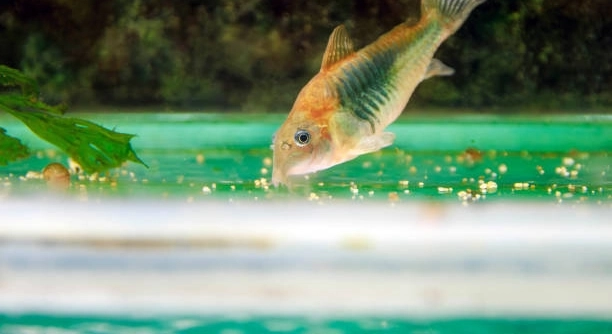
Setting up a tank for Corydoras catfish requires careful planning to ensure they thrive in a safe and comfortable environment. These small, peaceful fish need specific conditions to remain healthy. Here’s what you need to know.
To set up a tank for Corydoras catfish, begin by choosing a suitable tank size, at least 20 gallons, with a soft, sandy substrate. Maintain a stable temperature of 72-78°F, and ensure proper filtration and water quality with gentle currents.
Maintaining these guidelines will help your Corydoras catfish feel at home and flourish in their new tank.
Choosing the Right Tank Size for Corydoras Catfish
When setting up a tank for Corydoras catfish, one of the most important factors is the tank size. Corydoras are small, peaceful fish, but they still need ample space to swim and explore. A tank of at least 20 gallons is ideal for a small group of Corydoras. This size gives them plenty of room to move without feeling cramped or stressed. Smaller tanks may result in poor water quality, which can harm the fish. A larger tank also provides more room for other aquatic species if you want to create a community tank.
The size of the tank will also affect the water parameters. Larger tanks are more stable in terms of temperature and pH levels, making it easier to maintain optimal conditions for your Corydoras. With a larger tank, you’ll also have more flexibility in setting up the environment to suit their needs.
It’s essential to take into account not only the tank’s volume but also its shape. Long and wide tanks are better than tall tanks. Corydoras prefer to swim along the bottom and around the tank, so horizontal space is more beneficial than vertical.
Water Temperature and Filtration
The water temperature should be kept between 72°F and 78°F for Corydoras catfish. These fish thrive in slightly warmer water but can’t tolerate extreme temperature fluctuations. Use a reliable aquarium heater to maintain a consistent temperature.
Proper filtration is also crucial for Corydoras catfish. They produce waste like any other fish, and a high-quality filter helps keep the water clean. However, Corydoras prefer gentle filtration. Strong currents can cause stress, so avoid using powerful pumps. A filter with adjustable flow or a sponge filter will work well, providing both clean water and a calm environment.
Choosing the Right Substrate
The substrate you choose for your Corydoras tank plays a significant role in their overall health and happiness. Corydoras have delicate barbels around their mouths, which they use to forage for food. Hard or sharp gravel can damage these barbels, so a soft, sandy substrate is best. Sand allows them to sift through the bottom easily without harm.
In addition to being safe for their barbels, sand also mimics the natural environment of Corydoras. It helps keep water parameters stable and can make it easier to manage waste. Avoid using large pebbles or gravel, as these can trap uneaten food, which leads to poor water quality.
A thin layer of sand is all you need. It’s easy to clean and maintain, ensuring your Corydoras remain healthy. You can also add live plants to enhance the aesthetic of the tank and provide additional hiding spots for your fish.
Tank Decorations and Hiding Spots
Corydoras are bottom-dwelling fish, and they appreciate having places to hide and rest. Use decorations like driftwood, rocks, and caves to create hiding spots. Corydoras feel safer when they have places to retreat to, especially when they’re feeling stressed.
Decorations should be smooth and free from sharp edges to protect the fish. Avoid adding large objects that could take up too much space, as Corydoras need room to swim. Keep in mind that these fish enjoy the company of others, so a well-planted tank can also offer hiding spots while allowing them to school together.
Add live plants to your tank for a more natural look. Plants like Java moss, Anubias, and Cryptocoryne provide excellent hiding spots and additional surfaces for bacteria to grow, which helps improve water quality.
Water Parameters for Corydoras Catfish
Corydoras catfish prefer slightly acidic to neutral water, with a pH level ranging from 6.5 to 7.5. It’s essential to monitor and maintain these parameters to prevent stress and health issues. Regular water changes help stabilize the pH and remove harmful toxins.
Water hardness should be between 4-18 dGH. Corydoras can adapt to a range of water hardness levels, but consistent conditions are best. Test your water regularly with a reliable kit to ensure the pH and hardness remain stable. If adjustments are needed, use buffers or water conditioners that are safe for fish.
In addition, water temperature needs to be closely monitored. Corydoras catfish thrive in a temperature range of 72°F to 78°F. Temperature fluctuations can stress them and compromise their immune system. Using a thermometer and a reliable heater is key to keeping the water at a consistent, healthy temperature.
Tankmates for Corydoras Catfish
Corydoras catfish are peaceful and do well in community tanks with other non-aggressive fish. They tend to stay at the bottom of the tank, so make sure your other fish aren’t territorial or too large.
Good tankmates include small tetras, guppies, and peaceful barbs. Avoid keeping them with aggressive species, as they can cause stress and even harm your Corydoras. Corydoras will generally avoid confrontation and prefer to stay in their own space.
Make sure the tank is not overcrowded to prevent aggressive behavior. Also, consider the water temperature and other environmental needs to ensure compatibility with potential tankmates. For example, avoid keeping Corydoras with fish that require much higher or lower temperatures than they do.
Feeding Corydoras Catfish
Corydoras are bottom feeders and primarily eat sinking pellets or wafers designed for catfish. Offer them a variety of food, including high-quality pellets, freeze-dried or frozen foods like bloodworms, and occasional vegetables like blanched zucchini.
Feed them once or twice a day, giving them only as much food as they can eat within a few minutes. Overfeeding can lead to water quality issues. If any food remains after feeding, remove it to prevent it from decaying in the tank. Variety is key to ensuring your Corydoras get all the nutrients they need.
Tank Maintenance for Corydoras Catfish
Maintaining clean water is essential for Corydoras catfish health. Regular water changes, typically 20-30% every week, will keep your tank free of excess waste and toxins. Clean the filter media every month, but avoid replacing it entirely, as it contains beneficial bacteria.
Test the water parameters regularly and adjust as necessary. Corydoras thrive in stable environments, so keep a consistent routine for maintenance. Additionally, remove any uneaten food or debris from the substrate to avoid bacterial growth. A clean tank ensures your fish stay healthy and happy.
Lighting for Corydoras Catfish
Corydoras prefer subdued lighting. Bright lights can stress them out, as they are naturally used to dimmer conditions in the wild. Use low-intensity lighting or provide shaded areas within the tank using plants or decorations.
A timer for the light will help create a consistent day-night cycle, reducing stress for your fish. While Corydoras don’t require intense lighting, a balanced light source is still necessary for live plants in the tank. Keep the lighting moderate to simulate their natural habitat and support plant growth.
FAQ
What is the best substrate for Corydoras catfish?
Corydoras catfish need a soft, sandy substrate to protect their sensitive barbels. Sand allows them to sift through the bottom for food without injury. Avoid sharp gravel or large pebbles, as these can damage their barbels and cause stress. You can also mix fine sand with small, smooth rocks or use specialized aquarium sand for a more natural look.
How often should I feed Corydoras catfish?
Corydoras should be fed once or twice a day. They are bottom feeders and typically eat sinking pellets or wafers. Offer a variety of foods, including pellets, freeze-dried or frozen foods like bloodworms, and occasional vegetables like zucchini. Feed them only what they can eat within a few minutes to avoid overfeeding and water quality problems.
Can Corydoras catfish live with other fish?
Yes, Corydoras catfish are peaceful and generally do well with other non-aggressive species. They make great community tank members, especially with small fish like tetras, guppies, or peaceful barbs. However, avoid keeping them with large or aggressive fish that may bully or harm them. Corydoras prefer calm, stable environments and should not be kept with fish that require drastically different water conditions.
Do Corydoras catfish need a heater?
Yes, Corydoras catfish need a stable water temperature between 72°F and 78°F. A reliable heater is essential to maintain the appropriate temperature. Corydoras are sensitive to temperature fluctuations, which can cause stress and health issues. Ensure that the heater is functioning properly and monitor the water temperature regularly with a thermometer.
How often should I change the water in a Corydoras tank?
You should perform a 20-30% water change every week to maintain good water quality. Regular water changes help remove toxins, waste, and excess nutrients that can harm your Corydoras. Be sure to use a water conditioner to remove chlorine or chloramine from tap water. Keep the water parameters stable, as sudden changes can stress your fish.
What type of filter is best for Corydoras catfish?
Corydoras prefer gentle filtration because they don’t like strong currents. A sponge filter or a filter with an adjustable flow rate is ideal. It provides both filtration and aeration while keeping the water calm. Avoid powerful filters or pumps, as these can create currents that stress Corydoras. Regularly clean the filter to maintain its efficiency without disrupting the tank’s stability.
How do I know if my Corydoras catfish is stressed?
Corydoras catfish show signs of stress through unusual behavior. If they swim erratically, stay near the surface, or hide more than usual, they may be stressed. Stress can also cause loss of appetite or faded colors. Common causes of stress include poor water quality, inappropriate tankmates, or drastic changes in water parameters. Ensure the tank environment is stable and meets their needs.
Do Corydoras catfish require a specific water pH?
Corydoras catfish prefer a pH between 6.5 and 7.5, which is slightly acidic to neutral. They can adapt to a range of water conditions, but keeping the pH stable is crucial for their health. Use a reliable water testing kit to check the pH regularly. If adjustments are needed, use pH buffers or water conditioners that are safe for fish.
Can Corydoras catfish live in a small tank?
While Corydoras catfish are small, they still require space to thrive. A 20-gallon tank is the minimum recommended size for a small group. Smaller tanks can result in poor water quality and stress, leading to health problems. In a larger tank, you can also maintain a more stable environment, making it easier to keep the water parameters within the optimal range.
How can I prevent my Corydoras catfish from getting sick?
To keep your Corydoras healthy, provide stable water parameters, a suitable tank size, and proper filtration. Regular water changes and a varied diet are essential for their well-being. Avoid overcrowding the tank, as this can lead to poor water quality and stress. Additionally, ensure that tankmates are compatible and not overly aggressive. Keeping their environment clean and stable helps prevent disease.
Are Corydoras catfish good for beginners?
Yes, Corydoras catfish are generally good for beginners because they are hardy and easy to care for. They don’t require complex care routines, but they do need a stable environment. They are also peaceful and can be kept with other community fish. As long as you provide the right tank setup and water conditions, Corydoras make great starter fish for new aquarium owners.
Can I add live plants to a Corydoras tank?
Yes, live plants are a great addition to a Corydoras tank. Not only do they provide natural hiding spots for the fish, but they also help improve water quality by absorbing excess nutrients. Plants like Java moss, Anubias, and Cryptocoryne work well in Corydoras tanks. Be sure to choose plants that don’t require high lighting, as Corydoras prefer dimmer conditions.
Do Corydoras catfish need a lot of light?
No, Corydoras catfish prefer subdued lighting. Bright lights can stress them out, as they are naturally found in murky, shaded waters. Use low-intensity lighting or provide shaded areas within the tank with decorations or plants. A timer for the light will also help create a consistent day-night cycle, reducing stress.
How long do Corydoras catfish live?
Corydoras catfish typically live for 5 to 10 years, depending on their care and environment. Providing a stable tank with proper water conditions, diet, and tankmates will help extend their lifespan. Regular maintenance and monitoring will also prevent stress and illness, allowing them to live a long, healthy life.
What are some common health problems for Corydoras catfish?
Common health issues for Corydoras catfish include skin infections, swim bladder problems, and parasites. Poor water quality, stress, or incompatible tankmates can make these problems more likely. Regular water changes, maintaining stable water parameters, and keeping the tank clean can prevent most health issues. If a problem arises, isolate the affected fish and treat it with appropriate medications.
Final Thoughts
Setting up a tank for Corydoras catfish requires attention to detail, but it’s a rewarding experience. By ensuring your tank has the right substrate, water conditions, and tankmates, your Corydoras will thrive in a stable environment. These catfish are peaceful and easy to care for, making them a great choice for beginners and experienced aquarists alike. With the right setup, they can live for many years, providing both beauty and a sense of calm to your aquarium.
Maintaining a healthy environment for Corydoras is key to their well-being. Regular water changes, monitoring water parameters, and keeping their tank clean are all essential. Corydoras are bottom dwellers, so using a gentle filter and a soft substrate like sand ensures they don’t injure their sensitive barbels. Additionally, a varied diet will keep them healthy and strong. As peaceful creatures, they can coexist with a wide range of other fish, but it’s important to avoid overly aggressive tankmates.
Overall, Corydoras catfish make excellent additions to any community tank. By following the tips for tank setup, feeding, and maintenance, you can create an environment that suits their needs. With a little care, your Corydoras will bring a touch of grace to your aquarium for years to come.

Hello,
If you enjoy the content that we create, please consider saying a "Thank You!" by leaving a tip.
Every little bit helps us continue crafting quality advice that supports the health, happiness, and well-being of pets around the world, for pets of all shapes, sizes, and species.
We really appreciate the kindness and support that you show us!