
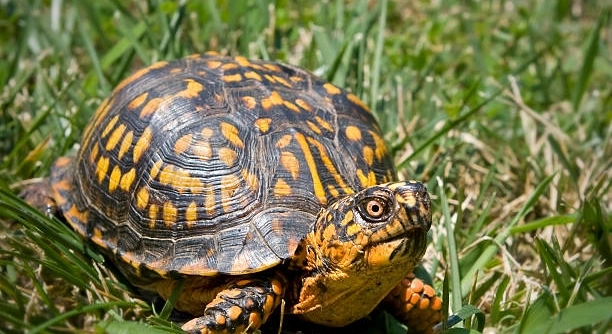
Creating a safe space for hatchlings is crucial for their well-being. A carefully set-up area ensures they thrive and grow, making it important to know how to provide the right environment for them.
To set up a safe space for hatchlings, you should create an enclosure that is secure, warm, and free from potential hazards. Ensure the area is well-ventilated, with appropriate bedding and a heat source, depending on the species.
Ensuring proper care and a secure habitat can greatly impact the hatchlings’ development. Let’s explore the essential steps to create an optimal environment for them.
Setting Up the Right Space for Hatchlings
When setting up a safe space for hatchlings, the first step is to focus on their environment. It needs to be both secure and comfortable. Choose an enclosure that prevents escape but provides enough room for them to move. Hatchlings are fragile and need space to grow. The enclosure should be kept at a stable temperature, which may require a heat source like a heat lamp or heating pad. Be sure to provide bedding or soft material that absorbs moisture, preventing any discomfort. The enclosure should also be easy to clean to maintain a healthy space. By controlling temperature, humidity, and cleanliness, you ensure your hatchlings are well cared for and comfortable.
The ideal enclosure for hatchlings is a secure, well-ventilated space with suitable bedding. This will protect them from the elements and provide the comfort they need for healthy growth.
It’s essential to create a habitat that mimics natural conditions. Adding a hideaway, like a small box or tunnel, gives hatchlings a place to feel safe. Depending on the species, you may also need to add water or food sources. These additions will help hatchlings adapt to their new home and start developing the right behaviors. You should regularly monitor their well-being and make adjustments to the setup as needed. Proper setup is crucial in supporting their development in their early stages.
Maintaining Safety and Comfort
Keeping the hatchlings safe involves regular checks. Ensure their enclosure stays secure at all times. Make sure the temperature stays within the ideal range for the species you are caring for. Adjust bedding and humidity as needed.
By checking their space frequently, you can address any changes quickly. Hatchlings depend on stable conditions, so consistency is key.
Temperature Control for Hatchlings
Maintaining the right temperature is critical for hatchlings. Different species require different heat levels, so always research the specific needs. Typically, you should aim for a warm environment with a slight gradient in temperature, allowing hatchlings to regulate their body heat as needed.
A heat lamp or heat pad can be used to keep the temperature stable. However, make sure the heat source isn’t too intense, as this can stress them. You can monitor the temperature using a thermometer, adjusting the heat source as necessary. If the temperature fluctuates too much, the hatchlings could become ill or stressed, so consistency is important.
Adding a cool area in the enclosure, where they can retreat from the heat if needed, is helpful. Ensure the temperature in this cooler space stays within an acceptable range for the species. Monitoring their behavior can also give clues on whether the temperature is right. If they seek warmth too often or seem lethargic, it may be a sign to adjust the heat source.
Proper Bedding and Substrate
Choosing the right bedding is essential for the comfort and well-being of hatchlings. It helps with temperature regulation, provides a comfortable surface, and absorbs moisture to prevent bacteria buildup. Choose bedding that is safe, clean, and easy to replace.
Common options for bedding include shredded newspaper, coconut fiber, or specialized reptile bedding, depending on the species. Avoid materials like sawdust, which can be harmful if ingested. Always check that the bedding is free from chemicals or contaminants that could harm your hatchlings. Changing the bedding regularly ensures it remains clean and sanitary, preventing any harmful bacteria from growing.
You can also use a substrate that mimics the hatchlings’ natural habitat. For example, if you are caring for amphibians, a damp substrate can help keep the environment moist. If the hatchlings are desert species, a dry substrate would work best. Choosing the correct bedding is one of the key elements in creating a safe space for them.
Ventilation and Airflow
Proper ventilation is necessary to ensure fresh air and prevent the buildup of harmful gases. Hatchlings need a well-ventilated space to stay healthy and breathe easily. Without proper airflow, the enclosure can become too humid or stale, which may lead to respiratory problems.
You can achieve good ventilation by using mesh or breathable materials for the enclosure’s walls or lid. Make sure the air flows easily while keeping your hatchlings secure. Ventilation should be balanced, as too much airflow could cause temperature instability. Regularly check that the air circulates properly, and avoid overcrowding, which can block airflow.
Food and Water Accessibility
Providing food and water at the right levels is crucial for the health of hatchlings. Ensure the food is appropriate for their species and is easy to access. Place water dishes in a location where they can drink but not drown.
You should change the water regularly to keep it clean. Hatchlings may have a tendency to make their space messy, so always ensure they have fresh, clean water to drink. If you’re offering food, make sure it’s properly prepared and accessible, whether that’s insects, plants, or special formulated pellets. Over time, hatchlings will learn where to find food and water, so ensure the setup is easy for them to navigate.
Handling Hatchlings with Care
Hatchlings are fragile and should be handled gently. When moving or caring for them, always ensure they feel secure and are not under stress. Be careful not to apply pressure on their small bodies.
Allow hatchlings time to adjust to their environment before interacting with them. Their space should be their refuge until they are comfortable. Handle them only when necessary and avoid excessive handling to prevent harm. If they seem stressed or skittish, allow them to calm down and adapt at their own pace.
FAQ
How often should I clean the hatchling’s enclosure?
Cleaning should be done regularly to prevent bacteria buildup. Typically, you should spot clean every day, removing waste and uneaten food. Full cleaning of the enclosure, including replacing bedding, should be done every 1-2 weeks. This ensures a clean environment that supports the hatchlings’ health and comfort. However, some species may require more frequent cleaning, especially if they are messy eaters or produce a lot of waste. Always check the bedding and water dish for contamination as part of your regular cleaning routine.
What should I do if the hatchlings are not eating?
If your hatchlings aren’t eating, it could be a sign of stress, temperature issues, or improper food. Start by checking the temperature in the enclosure to ensure it is within the species’ preferred range. If the habitat is too cold or too hot, they may lose their appetite. Additionally, ensure that the food you are offering is appropriate for their species and is in the right form. Sometimes, hatchlings may not eat for a few days after arrival as they adjust to their new environment. However, if the lack of appetite continues, consult a vet.
Can I handle the hatchlings immediately after they hatch?
It’s important to give hatchlings time to adjust to their environment before handling them. Handling too soon can cause unnecessary stress. Generally, you should wait at least a few days after they hatch to allow them to settle in. The stress from handling them too early can affect their health and behavior. Once they are comfortable and acclimated to their new surroundings, you can start handling them gently. Always watch for signs of stress, such as hiding or lethargy, which indicate that they may not be ready for interaction yet.
What temperature is best for hatchlings?
The ideal temperature depends on the species of hatchling you are caring for. Many reptiles, for instance, need a heat gradient in their enclosure, with one side warmer than the other. This allows the hatchlings to regulate their body temperature by moving between the warm and cool areas. For tropical species, temperatures typically range from 75-85°F, while desert species may require higher temperatures of 85-95°F. Always research the specific needs of the species to ensure you’re providing the proper temperature. Using a thermometer will help you maintain consistent heat levels.
How can I tell if my hatchlings are stressed?
Hatchlings may show signs of stress in various ways, including not eating, hiding excessively, or moving erratically. They may also exhibit physical signs like a hunched posture or shallow breathing. Stress can be caused by environmental factors like improper temperature, humidity, or overcrowding. It can also happen from excessive handling or a lack of hiding spots. To help reduce stress, ensure the enclosure is quiet, secure, and properly set up for their needs. If stress continues, consult a vet for further guidance.
Should I provide a hiding spot for the hatchlings?
Yes, providing hiding spots is essential for hatchlings. These spaces allow them to feel secure and safe. In the wild, hatchlings often hide from predators, and offering a similar environment in captivity helps them feel at ease. Use small boxes, logs, or artificial plants to create hideaways within the enclosure. Make sure there are enough hiding spots for all the hatchlings, especially if you have multiple. A hideout will also help with temperature regulation, as hatchlings can retreat to a cooler spot if they get too warm.
What kind of lighting do hatchlings need?
Lighting is crucial for hatchlings, especially for species that require UVB light to metabolize calcium. UVB light mimics sunlight and is essential for their growth and bone health. In addition to UVB, you may need to provide regular light to maintain a natural day-night cycle. Hatchlings need about 10-12 hours of light during the day, followed by a dark period to encourage rest. Be sure to provide a suitable light source and avoid placing it too close to the hatchlings, as it could get too hot. Regularly replace the UVB bulb to ensure it provides the proper spectrum.
How much space do hatchlings need?
The size of the enclosure will depend on the species and how many hatchlings you have. A small enclosure may suffice for just one or two hatchlings, but as they grow, they will need more room. Generally, the enclosure should be large enough for them to move around freely and explore without feeling cramped. For many species, a 20-gallon tank may be sufficient for a small number of hatchlings, but larger species will need more space. Always provide enough room for hatchlings to retreat to different areas within their enclosure.
Can hatchlings live together in the same enclosure?
Hatchlings can often live together, but it depends on the species. Some species are social and thrive in groups, while others are territorial and may become aggressive towards each other. If you are housing multiple hatchlings together, make sure there is enough space for each to have its own territory and hiding spots. Monitor them closely to watch for signs of aggression, such as biting or fighting. If any hatchlings are being bullied or harmed, you may need to separate them into individual enclosures.
When should I move the hatchlings to a larger space?
You should move hatchlings to a larger enclosure as they grow and start needing more room to move and explore. A good rule of thumb is to upgrade their space once they start outgrowing the current enclosure or seem cramped. This usually happens within a few weeks or months, depending on the species. Keeping hatchlings in too small of a space can stunt their growth and lead to stress. Always monitor their size and behavior to determine when they need a larger home.
Final Thoughts
Creating a safe space for hatchlings is a simple yet vital task. By providing the right environment, you give them the best chance to grow and thrive. Focus on temperature control, cleanliness, and proper food and water access. Ensuring their safety and comfort is key to their development, and every small detail counts. When their needs are met, hatchlings can focus on their growth and natural behaviors.
It’s important to remember that each species has unique requirements, so always research specific care instructions. Some hatchlings may need extra heat or specific bedding materials, while others might require more humidity. Understanding their needs and adjusting their environment accordingly will ensure that they stay healthy. The better you cater to their comfort, the smoother their transition from hatchling to adult will be.
Lastly, consistency is crucial. Hatchlings depend on their environment being stable, so changes should be made carefully and gradually. Keep an eye on them for any signs of stress, like changes in eating habits or behavior. If you notice anything concerning, take action quickly to restore balance. With attention and patience, you’ll provide them with the best start in life.

Hello,
If you enjoy the content that we create, please consider saying a "Thank You!" by leaving a tip.
Every little bit helps us continue crafting quality advice that supports the health, happiness, and well-being of pets around the world, for pets of all shapes, sizes, and species.
We really appreciate the kindness and support that you show us!