
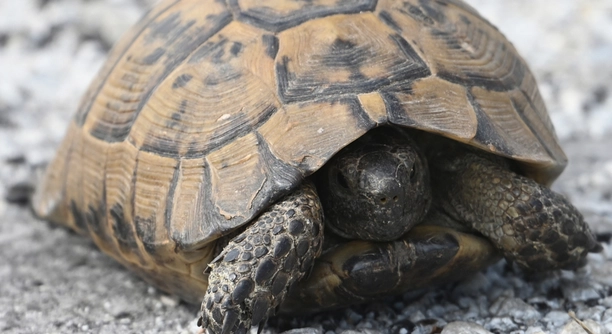
Setting up a safe outdoor play area for your Russian tortoise can be a rewarding and beneficial experience. Ensuring a secure space is important for their well-being. The right environment helps keep your tortoise healthy and happy in an outdoor setting.
To create a safe outdoor play area for a Russian tortoise, you should consider factors like secure fencing, shade, and appropriate terrain. The enclosure should also be free from predators and contain natural elements that promote exercise and exploration, like rocks or plants.
A few simple tips can make all the difference in creating an ideal environment for your pet. These adjustments will help ensure their safety and happiness.
Creating a Secure Enclosure for Your Russian Tortoise
When setting up an outdoor play area for your Russian tortoise, the first step is ensuring the enclosure is secure. A strong fence is essential to prevent them from escaping and to protect them from potential predators. The fence should be tall enough, at least 12-18 inches, and have a buried bottom to stop tunneling. A solid material like wire mesh works well, as it can be buried or secured to prevent escapes. Check for any gaps or weaknesses in the fence regularly, as tortoises are great at finding ways out if there’s an opening.
Even though your tortoise needs space to roam, it is equally important to provide a sheltered spot within the enclosure. This area will give them relief from the sun, especially on hot days. You can create shade with a small hut, a large rock, or any other object that will block direct sunlight. The shelter should also protect them from any unexpected weather conditions, such as rain or wind.
Providing a secure and shaded enclosure will ensure your tortoise is safe and comfortable. With the right setup, you’ll have peace of mind knowing your tortoise is in a secure and healthy environment.
Safe and Comfortable Flooring
The flooring in your tortoise’s outdoor space should mimic the natural terrain they would find in the wild. Avoid using materials like concrete or smooth tiles that can be harsh on their feet. Instead, opt for dirt, grass, or a mix of sand and soil. These natural surfaces allow them to dig, burrow, and explore without causing harm. Adding some natural plants will also encourage them to forage and keep them engaged.
It’s important to keep the enclosure dry and clean to avoid any health issues. If you live in a rainy area, consider placing gravel or rocks on the ground to ensure proper drainage. This setup will keep the flooring from becoming too muddy and uncomfortable.
Preventing Escapes
Russian tortoises are skilled at finding small gaps, so a secure fence is vital. You should also check for any weak spots regularly, as these can become opportunities for escapes. Ensure the fence is tall enough and deep enough to prevent tunneling. If you’re using a wire mesh, make sure it’s tightly secured and there are no loose areas that they can slip through.
A good way to test the security of the enclosure is by monitoring the tortoise over time. Observe if they show signs of trying to dig or push against the fence. You can also place markers around the enclosure to see if they’re moving towards or near any weak points. Tightening any loose sections before they can cause a problem is the best way to prevent escapes.
Shade and Temperature Control
The sun can be intense, and your tortoise will need places to retreat from heat. You can use natural elements like trees or bushes to create shaded areas. However, artificial shelters such as a small wooden hut or a large rock can also provide shelter. It’s important to have multiple shaded areas, so your tortoise can always find a cool spot to rest.
Consider the overall temperature of the area as well. Russian tortoises thrive in temperatures between 70°F and 85°F. If you live in a hot climate, providing more shade and water access will help maintain the right temperature. A simple thermometer can help monitor the temperature, ensuring the area remains comfortable. This will help your tortoise stay cool and avoid overheating.
Providing Water Access
A constant supply of clean water is crucial for your tortoise’s health. Use a shallow dish that is wide enough for them to soak in comfortably. It should be stable and not easy to tip over. Make sure to change the water daily, as it can become dirty quickly.
You can also consider providing a small water feature like a shallow pond. This will encourage your tortoise to drink more and help them stay hydrated, especially in warmer weather. Make sure the water is shallow enough so your tortoise can easily enter and exit without difficulty.
Enrichment Opportunities
To keep your Russian tortoise mentally and physically stimulated, it’s essential to add some enrichment to their environment. You can create small obstacles, such as rocks or logs, to encourage climbing and exploring. They enjoy digging, so adding a soft, sandy area will allow them to burrow and engage in natural behaviors.
Along with physical enrichment, you can also add plants or edible items like dandelions, clover, or lettuce. This provides variety and encourages foraging, which is natural for them. Keep the plants non-toxic to avoid any potential harm. Enrichment is vital for their well-being.
Avoiding Predators
It’s essential to keep your tortoise safe from potential predators, including birds, dogs, and larger animals. The enclosure should be completely enclosed, with no gaps large enough for predators to enter. Installing wire mesh at the top of the enclosure is an effective way to prevent aerial predators.
FAQ
How do I know if my outdoor enclosure is safe for my Russian tortoise?
Start by checking the fence for any gaps or weaknesses. It should be at least 12-18 inches tall and securely buried in the ground to prevent tunneling. Inspect it regularly to ensure nothing has been compromised. Adding wire mesh on top will also help protect against aerial predators.
Can I use natural plants in my tortoise’s outdoor area?
Yes, you can include plants in your tortoise’s enclosure, but make sure they are non-toxic. Safe plants include dandelions, clover, and grass. Avoid toxic plants like lilies, azaleas, or daffodils, as they can be harmful to your tortoise. Check the plants regularly for any signs of decay.
What type of substrate is best for a Russian tortoise enclosure?
Natural soil, grass, or a mix of sand and dirt works best for a tortoise’s outdoor area. It mimics their natural environment, allowing them to dig and forage. Avoid using materials like gravel or wood chips that can be uncomfortable or difficult for them to walk on.
How much space does a Russian tortoise need in its outdoor enclosure?
A Russian tortoise needs plenty of room to roam. A minimum of 10-20 square feet per tortoise is ideal, but the larger the space, the better. Providing a variety of terrain, such as areas for digging, climbing, and resting, will help keep your tortoise engaged and active.
What should I do if it rains?
Your tortoise needs a dry, sheltered area where it can retreat from the rain. A small wooden hut or a rock structure will provide shade and protection. Be sure the shelter is waterproof and spacious enough for your tortoise to rest comfortably without getting wet.
Can Russian tortoises stay outside during the winter?
Russian tortoises should not be kept outside during cold winter months, as they are not tolerant of freezing temperatures. If you live in a colder climate, it’s best to bring them indoors when temperatures drop below 50°F. If they stay outside in the winter, they may become ill or even die from exposure.
How can I keep my tortoise entertained outside?
Tortoises enjoy exploring, so adding rocks, logs, and plants to the enclosure will keep them active. You can also hide food around the area to encourage foraging. Providing a variety of textures and obstacles, like tunnels and mounds, will help them stay mentally stimulated.
What kind of shelter should I provide for my Russian tortoise outdoors?
Your tortoise needs a place to hide and rest in the shade. A small wooden shelter, large rocks, or a simple plastic container turned on its side can provide the needed refuge. Make sure the shelter is secure and protected from rain, wind, or extreme heat.
Is it okay for my tortoise to dig in the outdoor enclosure?
Yes, digging is a natural behavior for Russian tortoises. It helps them stay physically active and comfortable. Make sure the ground is soft and easy to dig into, and that there are no barriers under the soil that could prevent them from digging.
Can I put my tortoise in the same area as other animals?
It’s best to keep your tortoise’s enclosure free from other pets or animals that may pose a threat. Larger animals like dogs and cats can scare or harm a tortoise, and small pets like rabbits or guinea pigs may not be suitable companions due to their different needs and behaviors. Keep the enclosure safe and separate.
How often should I clean the outdoor enclosure?
The outdoor enclosure should be cleaned regularly to prevent any buildup of waste or bacteria. A good rule of thumb is to clean the enclosure every 1-2 weeks, but you should spot clean daily by removing any visible waste. This will help keep the environment clean and healthy for your tortoise.
What temperature is safe for a Russian tortoise outdoors?
Russian tortoises prefer temperatures between 70°F and 85°F. If temperatures rise above 90°F, ensure your tortoise has access to shade and water to stay cool. If it drops below 50°F, bring your tortoise indoors to avoid stress or health problems caused by cold temperatures.
What should I do if I see my tortoise digging excessively?
Excessive digging is normal behavior, especially if your tortoise is feeling stressed or searching for food. However, if they dig too much and show signs of discomfort, check the environment for stress factors, such as overcrowding or temperature fluctuations. Make sure the enclosure has enough shade and variety for them to stay comfortable.
Final Thoughts
Creating a safe and comfortable outdoor play area for your Russian tortoise is essential for its well-being. By ensuring the space is secure, free of predators, and has enough room for digging and exploring, your tortoise can thrive in a natural environment. A suitable enclosure with a variety of textures, shelters, and water sources encourages your tortoise to exhibit natural behaviors. Adding safe plants and enrichment also helps keep your tortoise active and mentally stimulated.
It’s important to regularly check the enclosure for any signs of damage or potential risks. Make sure there are no gaps in the fence and that any shelters are stable and waterproof. Clean the area regularly to avoid waste buildup, as this can lead to health issues for your tortoise. Monitor the temperature to ensure it stays within a comfortable range, especially during extreme weather. If the temperature drops below 50°F or rises above 90°F, consider bringing your tortoise indoors or providing additional shelter to protect them.
Taking these steps ensures that your Russian tortoise has a safe, enriching, and enjoyable outdoor environment. With proper care and attention, your tortoise can lead a healthy, active life outdoors, benefiting from fresh air and plenty of space to roam. Keep in mind that every tortoise is different, so it’s essential to observe your pet’s behavior and adjust the environment as needed. This way, you can provide a long, happy life for your Russian tortoise.

Hello,
If you enjoy the content that we create, please consider saying a "Thank You!" by leaving a tip.
Every little bit helps us continue crafting quality advice that supports the health, happiness, and well-being of pets around the world, for pets of all shapes, sizes, and species.
We really appreciate the kindness and support that you show us!