
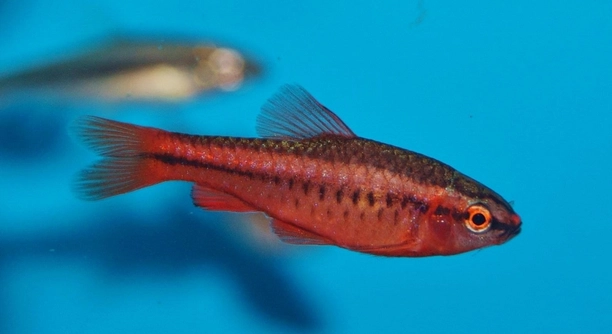
Setting up a planted tank for Cherry Barbs can be a rewarding experience. These colorful fish thrive in a well-maintained, plant-rich environment. Creating the right tank setup is crucial for their well-being and beauty.
To set up a planted tank for Cherry Barbs, start by choosing a suitable tank size, usually around 20 gallons or more. Add live plants like java moss and anubias, and make sure the water parameters remain stable, with a temperature range of 74-80°F.
A balanced environment will not only benefit your Cherry Barbs but also enhance the visual appeal of your tank. Proper plant care and maintenance ensure a healthy and thriving aquatic ecosystem.
Choosing the Right Tank for Cherry Barbs
Setting up a tank for Cherry Barbs begins with selecting the right size. These fish need space to swim and explore, so aim for a 20-gallon tank or larger. A bigger tank is easier to maintain and provides a more stable environment. If you plan on keeping multiple Cherry Barbs, a larger tank becomes even more important.
The tank’s shape also matters. A long, rectangular tank is better than a tall one, as Cherry Barbs prefer horizontal swimming space. Keep in mind that these fish will feel more at ease in a tank with enough room to spread out.
You’ll also need a proper filtration system. Cherry Barbs do best with clean water, so make sure the filter can handle the tank’s size. The flow should be moderate, as they are not strong swimmers and can struggle in high currents.
Selecting Plants for Your Tank
Live plants are essential for creating a natural environment for your Cherry Barbs. They provide hiding spots, improve water quality, and add oxygen. Choose hardy plants like Java Ferns, Anubias, and Cryptocorynes that thrive in the same water conditions as your fish.
Plants will grow well in moderate lighting, so pick a light that doesn’t produce too much heat. Plant them securely in the substrate, ensuring they have enough space to grow and spread. Make sure the plants are compatible with the water temperature and pH levels preferred by Cherry Barbs.
Water Parameters for Cherry Barbs
Maintaining the right water parameters is key to keeping Cherry Barbs healthy. The water should be soft to slightly hard, with a pH range of 6.5 to 7.5. Temperature should stay between 74°F and 80°F. Regular testing is important to make sure the levels stay stable.
Keep an eye on ammonia, nitrite, and nitrate levels to avoid toxins building up in the water. Regular water changes (about 20-30% every week) help maintain a healthy environment. Cherry Barbs prefer clean, well-filtered water, so invest in a reliable filtration system to keep water quality at its best.
Monitor the water’s temperature closely, especially during seasonal changes. Using a heater will ensure the tank remains at a consistent temperature. If the water fluctuates too much, it can stress out your Cherry Barbs and affect their health.
Feeding Cherry Barbs
Cherry Barbs are omnivores, so they enjoy a variety of foods. Offer them high-quality fish flakes, pellets, and occasional live or frozen foods like brine shrimp or bloodworms. Feed them twice a day, but be careful not to overfeed.
Overfeeding can lead to poor water quality and health problems. Remove uneaten food within a few minutes to prevent it from decaying. Cherry Barbs will also graze on algae and plants, which can help them stay active and healthy. It’s a good idea to include plant matter in their diet, such as spirulina or blanched vegetables.
Ensure that all food types are small enough for them to easily eat. You can break up larger pieces or choose pellets and flakes that are made specifically for small fish.
Tank Mates for Cherry Barbs
Cherry Barbs are peaceful and do well with other calm fish. Avoid aggressive species that could stress them out. Good tank mates include small tetras, Corydoras, and peaceful livebearers. Make sure all fish in the tank are similar in size to prevent any bullying.
When selecting tank mates, always consider the water conditions each species needs. Make sure the temperature, pH, and hardness align with the Cherry Barbs’ needs to avoid stress. It’s also important to avoid keeping Cherry Barbs with fin-nipping species, as this could lead to injury.
Substrate for a Planted Tank
For a planted tank, choose a nutrient-rich substrate that supports plant growth. A fine gravel or aquarium soil works best, allowing roots to spread while keeping the water clear. The substrate should also have good drainage to avoid stagnant spots.
An appropriate substrate helps the plants thrive and also supports the health of your Cherry Barbs. Plants like Anubias and Cryptocoryne do best when their roots are well anchored. The right substrate also promotes the health of beneficial bacteria, which aid in maintaining water quality.
FAQ
What size tank is best for Cherry Barbs?
A 20-gallon tank is the minimum size recommended for Cherry Barbs. While they can live in smaller tanks, having a larger space helps maintain stable water conditions and reduces the chances of overcrowding. A larger tank also gives your fish more space to swim, which is essential for their overall health and happiness.
Do Cherry Barbs need a heater?
Yes, Cherry Barbs need a heater to maintain the right water temperature. They thrive in water temperatures between 74°F and 80°F. If the water is too cold, they may become stressed, and their immune systems could weaken. A heater ensures a stable, comfortable environment for your fish.
Can Cherry Barbs live with other fish?
Cherry Barbs are peaceful and do well with other calm, non-aggressive fish. They are compatible with species like tetras, Corydoras, and peaceful livebearers. Avoid aggressive fish that could harm or stress them out. It’s important to ensure all fish share similar water requirements to maintain a healthy tank.
How often should I change the water in a Cherry Barb tank?
Water changes are essential for maintaining a healthy environment. Aim to change 20-30% of the water in the tank every week. Regular water changes help prevent the buildup of harmful toxins and maintain stable water parameters. Be sure to use a water conditioner to remove chlorine and chloramine from tap water.
What should I feed my Cherry Barbs?
Cherry Barbs are omnivores and will eat a variety of foods. A balanced diet of high-quality fish flakes, pellets, and occasional live or frozen foods like brine shrimp or bloodworms will keep them healthy. Avoid overfeeding, as leftover food can pollute the water. Feed them twice a day, and remove any uneaten food promptly.
Do Cherry Barbs need live plants in their tank?
While Cherry Barbs don’t strictly need live plants, they do benefit from having them in their tank. Plants offer hiding places, help maintain water quality, and provide natural food sources. Hardy plants like Java Ferns, Anubias, and Cryptocoryne are easy to care for and thrive in the same conditions as Cherry Barbs.
Are Cherry Barbs schooling fish?
Yes, Cherry Barbs are schooling fish and prefer to live in groups. Keeping them in groups of at least 5-6 will reduce stress and encourage natural behavior. A small group of Cherry Barbs will be more active and less likely to become shy. If possible, add a few more to create a more comfortable, social environment.
How do I know if my Cherry Barbs are happy?
Healthy Cherry Barbs are active, swim in the middle or bottom of the tank, and show bright colors. If your Cherry Barbs are hiding frequently or have dull colors, it could indicate stress or poor water conditions. Keep an eye on their behavior and ensure the tank environment is clean and stable.
Can Cherry Barbs breed in a home aquarium?
Yes, Cherry Barbs can breed in a well-maintained aquarium. To encourage breeding, provide plenty of plants for the fish to lay their eggs on. The female will deposit eggs on plant leaves, and the male will fertilize them. Once the eggs are laid, you may need to separate the parents to prevent them from eating the eggs.
What temperature is best for Cherry Barbs?
Cherry Barbs do best in temperatures ranging from 74°F to 80°F. Keeping the water temperature within this range helps keep them healthy and active. If the water gets too cold or too hot, they may become stressed, which can lead to health problems. Use a reliable aquarium heater to maintain a consistent temperature.
How long do Cherry Barbs live?
With proper care, Cherry Barbs typically live for 3 to 5 years. Their lifespan depends on factors like water quality, diet, and tank conditions. Keeping the tank environment stable and feeding them a balanced diet will help extend their life expectancy.
Do Cherry Barbs get along with other species?
Cherry Barbs are generally peaceful and can coexist with many other species. Avoid keeping them with aggressive or fin-nipping fish, as they may become stressed or injured. Species like small tetras, peaceful catfish, and other barbs are ideal companions for Cherry Barbs.
What is the best lighting for a Cherry Barb tank?
Cherry Barbs do well in moderate lighting. Too much light can lead to algae growth, while too little can affect plant health. A timer for your aquarium lights will help maintain a consistent day-night cycle, which is beneficial for both plants and fish. Aim for around 8-10 hours of light per day.
Can Cherry Barbs live in a community tank?
Yes, Cherry Barbs are well-suited for community tanks. Their peaceful nature makes them a great addition to tanks with other non-aggressive species. Just be sure that all fish have similar water requirements and are not large or aggressive enough to harm your Cherry Barbs.
Final Thoughts
Setting up a planted tank for Cherry Barbs can be a fulfilling and enjoyable experience. These peaceful fish thrive in a well-maintained environment that offers both plants and clean water. By providing them with the right tank size, a balanced diet, and proper care, you can ensure that your Cherry Barbs live a healthy and active life. They are relatively easy to care for, making them a great choice for both beginners and experienced aquarium enthusiasts. With the right setup, your Cherry Barbs will bring vibrant color and life to your tank.
While Cherry Barbs are low-maintenance compared to some other species, it’s important to keep an eye on their water conditions. Regular water changes, testing for ammonia and nitrate levels, and maintaining a consistent temperature will help your fish thrive. Choosing compatible tank mates, such as other peaceful fish like tetras or Corydoras, is also essential. Avoid placing them in tanks with aggressive fish that might stress them out. With the right combination of plants, tank size, and tank mates, your Cherry Barbs will have a safe and comfortable home.
The addition of live plants in your Cherry Barb tank not only enhances the beauty of the environment but also benefits the overall health of the fish. Plants help to stabilize water conditions, provide hiding spots, and even offer natural food sources. By choosing hardy plants that match the water requirements of your fish, you can create a thriving ecosystem. With regular maintenance, including water changes and monitoring water parameters, you can ensure that both your plants and Cherry Barbs remain healthy and happy in their new home.

Hello,
If you enjoy the content that we create, please consider saying a "Thank You!" by leaving a tip.
Every little bit helps us continue crafting quality advice that supports the health, happiness, and well-being of pets around the world, for pets of all shapes, sizes, and species.
We really appreciate the kindness and support that you show us!