
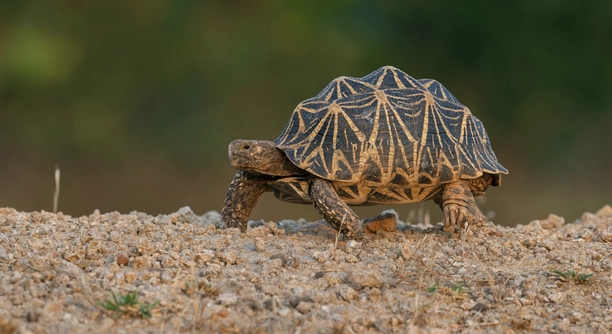
Creating a comfortable and suitable environment for Indian Star Tortoises is essential for their well-being. Their enclosure needs to mimic natural conditions to promote their health and happiness, from temperature control to appropriate substrate and plants.
To set up a naturalistic enclosure for Indian Star Tortoises, you need to focus on a spacious habitat with proper lighting, humidity, and temperature. Providing a variety of hiding spots, plants, and substrate helps replicate their native environment, promoting natural behaviors.
A well-designed enclosure can be the key to maintaining your tortoise’s health. Proper setup ensures they live a stress-free and comfortable life.
Choosing the Right Size Enclosure
The size of the enclosure is crucial for your Indian Star Tortoise’s health. A small space can lead to stress and behavioral problems. A large, spacious area allows them to roam and explore, which is important for their physical and mental well-being. Aim for at least 4 feet by 2 feet for one tortoise.
A bigger space helps simulate their natural environment, which encourages activity. They need room to move around and exhibit their natural behaviors. Avoid overcrowding, as it can lead to aggression or competition for resources.
Providing a larger enclosure also makes it easier to regulate temperature and humidity, both of which are essential for their health. Adding varied terrain such as rocks and hides makes the space more interesting. Using a good mix of substrate also helps maintain an ideal environment. A proper-sized enclosure means your tortoise will feel at ease, and you will have a healthier pet in the long run.
Temperature and Lighting
Temperature control is vital for Indian Star Tortoises to thrive. They need a warm environment, usually between 80°F and 95°F, with a basking spot that can reach 100°F.
Proper lighting, including UVB light, is essential for their shell health and calcium absorption. These tortoises need 10-12 hours of UVB exposure daily, which replicates the sunlight they would get in the wild.
Without adequate heat or UVB light, their health can deteriorate quickly. The basking spot should have a heat source, like a basking bulb, to ensure they can regulate their body temperature. Providing a cooler area allows them to move between temperatures and find comfort when needed. UVB bulbs help them absorb calcium and prevent shell deformities, so it’s vital to position these lights properly within the enclosure. The right setup promotes optimal health and longevity for your tortoise.
Substrate for the Enclosure
Choosing the right substrate helps maintain a healthy environment for your tortoise. A mix of soil, sand, and coconut fiber can work well. Avoid using cedar or pine shavings, as these can be harmful.
The substrate should be absorbent, allowing humidity to remain consistent while also providing a solid base for digging. Indian Star Tortoises often burrow, so it’s essential that the substrate is deep enough to support this behavior. Aim for a 3 to 4-inch layer of substrate. Regularly check the moisture levels, as the substrate should not stay too wet or dry.
You may also add small rocks or pebbles, which not only help with natural behavior but also assist in keeping the tortoise’s claws healthy. Be mindful of the cleanliness of the substrate. Regular spot cleaning and a full change every couple of months will keep your tortoise healthy and comfortable.
Providing Hides and Shelter
Hiding spots are essential for tortoises, giving them a sense of security. A simple wooden hide or rock cave can provide them with a retreat from light or when they want to sleep.
Tortoises are shy by nature and need a place where they can feel safe and rest. You can place a few hides throughout the enclosure to ensure your tortoise always has a retreat. Make sure the hides are large enough for them to enter comfortably but not too big, as they might not feel secure in too much space.
The hides should also be placed in various temperature zones, so your tortoise can decide where they want to go depending on their needs. Adding a small shelter near the basking spot can allow them to retreat when they get too warm. This setup will ensure that your tortoise feels safe and secure in its enclosure, reducing stress.
Adding Plants to the Enclosure
Adding live plants helps mimic a tortoise’s natural habitat. Choose plants that are safe for tortoises and can withstand their movements. Avoid plants with sharp leaves or toxic properties.
Common plants for tortoise enclosures include hibiscus, dandelion, and grass. These plants not only enhance the aesthetics of the enclosure but also provide additional food sources. Ensure the plants are non-toxic and easy to care for.
Plants will add variety to the tortoise’s environment, allowing them to forage and hide. They also help with humidity regulation. Place plants in areas where they can grow well without overcrowding the space, making it a comfortable environment for your tortoise.
Water Source
A shallow water dish is essential for hydration. Make sure it’s large enough for your tortoise to soak in but not too deep to cause drowning risks.
Your tortoise will benefit from regular soaks to stay hydrated. Changing the water daily is a simple way to ensure it stays clean and free from debris. Make sure the water is easily accessible, and avoid using anything too slippery.
A proper water source also helps with humidity regulation, especially in drier environments. Providing access to fresh water is crucial for maintaining your tortoise’s health and well-being.
FAQ
How often should I clean my tortoise’s enclosure?
Regular cleaning is important to ensure your tortoise’s environment stays healthy. Spot clean daily by removing waste and uneaten food. Once a week, perform a deeper cleaning by replacing the substrate and wiping down surfaces. A full substrate change should happen every 2-3 months, depending on the conditions in the enclosure.
Can I use sand in my tortoise’s enclosure?
Yes, sand can be used as part of the substrate, but it should not make up the entire base. A mix of sand, soil, and coconut fiber works well. Ensure the sand is not too fine, as it can cause digestive issues if ingested.
Do I need to provide UVB lighting for my tortoise?
Yes, UVB lighting is essential for Indian Star Tortoises. It helps them produce vitamin D3, which is necessary for calcium absorption and shell health. Make sure the UVB light is placed correctly in the enclosure and replaced every 6-12 months, as its effectiveness decreases over time.
Can I feed my tortoise commercial food?
While some commercial tortoise food can be used as a supplement, it should not be the main diet. A variety of fresh, leafy greens and flowers should be their primary food source. Avoid lettuce and foods that are too high in oxalates, like spinach.
What temperature should my tortoise’s enclosure be?
Indian Star Tortoises require a temperature range of 80-95°F in the enclosure. The basking area should be around 100°F, while cooler areas should range from 75-80°F. A temperature gradient allows your tortoise to move between warmer and cooler zones depending on its needs.
How big should my tortoise’s enclosure be?
The enclosure should be at least 4 feet long and 2 feet wide for one tortoise. Larger enclosures are better, as they provide more space for the tortoise to move around and explore. The bigger the space, the better for your tortoise’s health.
Can I keep more than one tortoise in the same enclosure?
While it’s possible to house more than one tortoise together, it can be tricky. Male tortoises may become territorial, leading to stress or aggression. If you want to keep more than one, make sure the enclosure is large enough, and monitor their behavior closely.
What is the best substrate for a tortoise enclosure?
A mix of soil, sand, and coconut fiber works well as a substrate. Aim for a 3-4 inch layer. This provides a good balance of moisture retention and drainage, essential for maintaining proper humidity. Avoid using cedar or pine wood shavings, as these can be toxic to tortoises.
Should I provide a hide for my tortoise?
Yes, hides are important for your tortoise to feel secure. It’s natural for tortoises to seek out places where they can rest and hide when they feel stressed or need to sleep. Make sure the hide is big enough for the tortoise to enter and exit comfortably.
How often should I soak my tortoise?
Indian Star Tortoises should be soaked once a week in shallow, lukewarm water. This helps with hydration and aids in digestion. Make sure the water is not too deep, as tortoises can easily drown in deep water.
What should I feed my tortoise?
Indian Star Tortoises are herbivores, and their diet should consist of leafy greens, grasses, and edible flowers. Offer a variety of greens such as dandelion, collard greens, and clover. Occasional fruits like apples and melons can be provided as treats, but avoid high-protein foods.
How do I know if my tortoise is healthy?
A healthy tortoise will have a smooth, hard shell without cracks or soft spots. They should be active and alert, with a healthy appetite. If your tortoise is lethargic, has a soft shell, or shows signs of respiratory distress, it’s important to visit a vet.
Can I use a heat lamp for my tortoise’s enclosure?
Yes, a heat lamp is necessary to create a basking spot in your tortoise’s enclosure. The basking spot should be around 100°F. Ensure the heat lamp is positioned properly, with a gradient of temperatures in the enclosure so your tortoise can move to cooler areas if needed.
How do I maintain humidity levels in the enclosure?
Humidity is essential for Indian Star Tortoises, as they come from areas with higher humidity levels. Use a hygrometer to monitor the humidity, and keep it between 50-70%. You can increase humidity by misting the enclosure, adding live plants, or placing a shallow water dish.
Is it okay to feed my tortoise the same food every day?
Variety is important for a balanced diet. Feeding the same food daily can lead to nutritional imbalances. Rotate the greens and edible flowers you offer to your tortoise. This ensures they get a wide range of nutrients necessary for their health.
What kind of plants are safe for my tortoise?
Safe plants include dandelions, hibiscus, and clover. Always make sure the plants are non-toxic and safe for tortoises to eat. Avoid plants that have pesticides or chemicals, and be cautious with any plants that are not commonly known to be safe.
Do I need to provide a calcium supplement for my tortoise?
Yes, providing a calcium supplement is important to prevent shell deformities and other health issues. You can sprinkle a calcium supplement on their food a couple of times a week. Make sure to provide proper UVB lighting as well, as it helps with calcium absorption.
Final Thoughts
Setting up the right enclosure for your Indian Star Tortoise is crucial for their health and well-being. A proper habitat not only mimics their natural environment but also helps prevent stress and promotes natural behaviors. It’s important to create a space that is both spacious and safe, giving your tortoise the room it needs to move around and thrive. With the right combination of temperature, lighting, substrate, and plants, you can provide a comfortable home that supports their long-term health.
One of the key factors to remember is that consistency is essential. Tortoises need a stable environment with the right temperatures and humidity levels. Monitoring these factors regularly will ensure your tortoise remains happy and healthy. Having the right substrate, plants, and hiding spots in place will allow your tortoise to feel secure, which can help reduce stress. Offering variety in their diet and providing regular access to water are also crucial components for their overall well-being.
By following these simple guidelines and giving careful thought to the setup of your tortoise’s enclosure, you can create a comfortable and safe space. A well-maintained environment will not only support your tortoise’s physical needs but also allow them to exhibit their natural behaviors. With the proper care and attention, your Indian Star Tortoise will enjoy a long and healthy life in its naturalistic enclosure.

Hello,
If you enjoy the content that we create, please consider saying a "Thank You!" by leaving a tip.
Every little bit helps us continue crafting quality advice that supports the health, happiness, and well-being of pets around the world, for pets of all shapes, sizes, and species.
We really appreciate the kindness and support that you show us!