
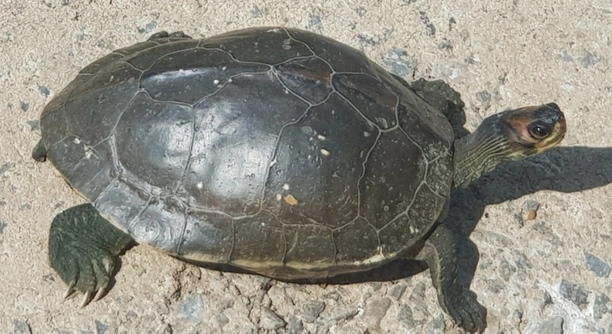
Creating the ideal environment for an Indian Roofed Tortoise is essential for its health and well-being. A humidity chamber helps mimic the natural habitat, ensuring your tortoise thrives in the right conditions.
To set up a humidity chamber for an Indian Roofed Tortoise, you need a well-ventilated enclosure with high humidity levels, ideally between 60-80%. Add a substrate that retains moisture, such as coconut coir, and ensure consistent temperature and humidity.
A proper humidity chamber can boost your tortoise’s overall health, supporting its shell growth and preventing respiratory issues.
What Is a Humidity Chamber and Why Is It Important?
A humidity chamber is a controlled environment where the moisture levels are adjusted to mimic the natural habitat of your Indian Roofed Tortoise. These tortoises thrive in a humid setting, which is why providing the right conditions in captivity is essential. Without proper humidity, your tortoise may experience health issues, such as dry skin or respiratory problems. The chamber helps keep the tortoise comfortable, encouraging healthy growth and activity. You can create a humidity chamber at home by adjusting temperature and moisture levels in its enclosure.
The benefits of a humidity chamber are clear, as it helps in maintaining the health of your tortoise. It’s essential to ensure that humidity remains steady to prevent stress. If the humidity fluctuates too much, it may cause your tortoise to become inactive or sick.
Maintaining proper humidity levels also aids in the natural shedding process. As your tortoise grows, it sheds its skin and shell, and the right moisture can prevent these processes from becoming problematic. By ensuring the chamber is properly set up, you give your tortoise the best environment for healthy development.
Setting Up the Humidity Chamber
Creating a humidity chamber requires careful planning and the right materials. Start by choosing an enclosure with solid walls and a secure lid to trap moisture. A clear plastic or glass tank works well because it allows you to monitor conditions. Add a substrate that holds moisture, such as coconut coir or sphagnum moss, which will help maintain the desired humidity level. Consider using a hygrometer to measure the humidity inside the chamber. This will allow you to ensure that the levels stay within the optimal range.
Next, include a water dish for the tortoise to drink from and soak in. Make sure it’s deep enough for your tortoise to submerge its lower body, as this will help with hydration. You may also want to use a misting system or a small humidifier to keep the humidity stable, especially if you live in a dry climate. Keeping the environment at a consistent temperature, between 75-85°F (24-29°C), is essential for your tortoise’s health.
Setting up a humidity chamber takes a little effort, but the results will be worth it for your tortoise’s well-being. It’s essential to monitor both temperature and humidity levels regularly. A simple setup can make a significant difference in the quality of life for your Indian Roofed Tortoise.
Materials You’ll Need for the Humidity Chamber
To set up a humidity chamber for your Indian Roofed Tortoise, you’ll need a few basic materials. A suitable enclosure, moisture-retaining substrate, hygrometer, water dish, and a misting system are the key components. These will help create and maintain the ideal conditions for your tortoise.
A glass or plastic tank is an ideal enclosure since it keeps moisture inside. Make sure the tank is big enough for your tortoise to move around comfortably. A hygrometer is essential for measuring humidity levels accurately, ensuring they remain between 60-80%. Coconut coir or sphagnum moss is a great substrate because it retains moisture while providing a natural environment for the tortoise.
Adding a water dish allows your tortoise to hydrate and soak, both of which are crucial for its well-being. A misting system or humidifier will help maintain consistent humidity, especially in dry climates. These materials will make it easier to provide a comfortable and healthy habitat for your tortoise.
Maintaining the Humidity Chamber
Maintaining the humidity chamber requires consistent monitoring and adjustments. First, make sure the humidity levels stay within the ideal range. You can do this by using the hygrometer and adjusting the misting system or humidifier as needed. Too much humidity can lead to mold growth, while too little can cause dehydration.
Ensure that the temperature remains steady. A simple thermostat or a heat lamp can help maintain a consistent temperature between 75-85°F (24-29°C). Regularly check the water dish to ensure it stays clean and filled. If you notice the water evaporating too quickly, consider adding a second dish or increasing the humidity slightly.
Lastly, the substrate should be kept moist but not soggy. If it starts to dry out, mist it lightly with water. Over time, you’ll learn the right balance for your tortoise’s specific needs. Regular upkeep is essential for keeping the environment healthy.
Common Mistakes to Avoid
Many people make common mistakes when setting up a humidity chamber for their tortoise. These can affect the health of the animal and lead to issues down the road. Make sure to avoid these common errors to keep your tortoise comfortable.
One mistake is not monitoring humidity and temperature regularly. Without consistent readings, you risk fluctuating conditions that can stress your tortoise. Another common error is using the wrong substrate that doesn’t retain moisture properly, which makes maintaining humidity difficult. Finally, neglecting regular cleaning of the enclosure can lead to mold or bacteria, causing health problems for your tortoise.
By avoiding these common mistakes, you’ll help your tortoise thrive in its habitat. Proper care and monitoring will ensure your humidity chamber provides the right environment.
Adjusting for Seasonal Changes
Humidity levels can vary depending on the season. In colder months, indoor environments tend to be drier, which means your humidity chamber may need adjustments. You might need to add more moisture or use a larger humidifier to maintain the right levels.
During warmer months, humidity may naturally rise, but the air might still dry out. Use your hygrometer to check if extra moisture is needed. Make sure the enclosure remains well-ventilated during warmer weather, as stagnant air can lead to excess moisture buildup, which could harm your tortoise. Consistent checks will keep conditions optimal year-round.
How to Tell If the Chamber Is Effective
To know if your humidity chamber is effective, monitor your tortoise’s behavior and health. If your tortoise is active, eating well, and shedding properly, the chamber is working. If you notice skin shedding issues or decreased activity, you may need to adjust humidity levels or temperature.
Check your tortoise’s shell and skin. Dry, flaky skin or a dull shell can indicate inadequate humidity. Make sure you also assess the water dish to ensure it’s clean and accessible. If your tortoise is soaking frequently, this is a sign that it’s properly hydrated.
FAQ
How do I know if the humidity levels are right?
To ensure the humidity levels are ideal for your Indian Roofed Tortoise, use a hygrometer to measure the moisture in the air. The optimal humidity range is between 60-80%. If the levels fall below this range, the tortoise may become dehydrated, leading to shedding problems or respiratory issues. If the humidity is too high, it can cause mold growth or respiratory infections. Check the humidity at least twice a day and make necessary adjustments using a misting system or humidifier.
Can I use a regular tank for a humidity chamber?
Yes, a regular glass or plastic tank can be used as long as it has a secure lid to trap moisture. The tank should also have enough space for your tortoise to move around freely. Make sure there is proper ventilation to avoid mold growth, but the tank should be able to hold moisture well. A clear enclosure allows you to monitor the conditions inside easily, and it’s simple to modify the setup as needed.
What substrate should I use for the humidity chamber?
Coconut coir, sphagnum moss, or a mix of both are excellent choices for the substrate in a humidity chamber. These materials retain moisture well, providing a humid environment while allowing your tortoise to burrow and feel comfortable. Avoid using sand or gravel as they do not hold moisture and can dry out quickly. Keep the substrate moist but not soggy. Regularly check for mold or foul smells, and replace it as needed.
How often should I mist the humidity chamber?
The frequency of misting depends on the humidity levels and the type of environment you live in. In dry climates, you may need to mist the chamber several times a day to maintain appropriate moisture. In more humid areas, misting once a day or every other day might be enough. Always use a hygrometer to monitor the humidity levels and adjust your misting routine accordingly. You can also use a humidifier or a drip system to maintain consistent humidity.
Do I need a heat lamp in the humidity chamber?
Yes, providing a heat source is essential for your tortoise’s health. Indian Roofed Tortoises require temperatures between 75-85°F (24-29°C) during the day. A heat lamp is an effective way to create a warm basking spot within the enclosure. Ensure that there are areas with both heat and cooler zones, allowing your tortoise to regulate its body temperature. The heat lamp should not create overly hot areas; use a thermometer to check the temperature regularly.
How can I prevent mold in the humidity chamber?
Mold can form in a humidity chamber if the conditions are too damp or if there’s not enough ventilation. To prevent mold, ensure that the enclosure has adequate airflow, either through small ventilation holes or by using a small fan. Regularly clean the water dish and remove any standing water. Avoid making the substrate too wet; it should be moist but not soggy. Check for any mold growth and remove it immediately. Keeping the temperature stable and the humidity within the optimal range will also reduce the risk of mold.
Can I use a humidifier for the humidity chamber?
Yes, a humidifier can be very helpful in maintaining consistent humidity levels. If you live in a particularly dry area, a humidifier can ensure the chamber stays at the right moisture levels. Make sure the humidifier is set up to distribute mist evenly throughout the enclosure. You may still need to monitor the humidity regularly to ensure the levels remain within the ideal range. A misting system can also be a good addition to help maintain humidity when needed.
What temperature should the humidity chamber be?
The temperature inside the humidity chamber should be kept between 75-85°F (24-29°C). A heat source, such as a heat lamp or under-tank heater, is necessary to maintain the correct temperature. You can use a thermometer to monitor the temperature in various parts of the tank, ensuring there are both warm and cool areas. Indian Roofed Tortoises need the heat to aid in digestion and overall health, but too much heat can lead to stress or dehydration.
How often should I clean the humidity chamber?
Cleaning the humidity chamber is essential to maintain a healthy environment. You should spot-clean the enclosure daily, removing any uneaten food, waste, or soiled substrate. A full cleaning should be done at least once a month, depending on the size of the tank and the number of tortoises you have. During the cleaning, replace the substrate and disinfect the tank with a pet-safe cleaner. Be sure to rinse everything thoroughly before placing your tortoise back inside.
Can I use natural plants in the humidity chamber?
Yes, you can use natural plants in the humidity chamber, as long as they are non-toxic to your tortoise. Plants can help maintain humidity and create a more natural, enriching environment. Choose plants that thrive in humid conditions, such as pothos, ferns, or spider plants. Make sure they are safe for your tortoise to interact with and ensure they don’t take up too much space in the enclosure. Remove any dead or decaying leaves promptly to prevent mold.
How do I adjust the humidity in a dry climate?
In dry climates, it may be more difficult to maintain the right humidity levels. To adjust for a dry environment, you can increase the misting frequency or use a larger humidifier to keep moisture in the air. Adding more moisture-retaining substrate, like coconut coir, can also help. Be sure to check the humidity levels regularly with a hygrometer and adjust accordingly. If needed, consider using a larger enclosure to allow for better humidity control.
Is a humidity chamber necessary for my tortoise?
While a humidity chamber is not strictly necessary, it is highly beneficial for the well-being of your Indian Roofed Tortoise. These tortoises naturally live in humid environments, and creating similar conditions helps prevent dehydration, respiratory problems, and improper shedding. A humidity chamber also supports healthy shell growth and reduces the risk of illness. Without it, your tortoise may struggle to thrive in a dry environment.
Final Thoughts
Setting up a humidity chamber for your Indian Roofed Tortoise is an important step in ensuring its health and comfort. By maintaining the right humidity levels, you mimic the natural environment that these tortoises need to thrive. The key to a successful chamber is consistency. This includes monitoring both the temperature and moisture levels regularly, using the right materials for the enclosure, and making adjustments when necessary. A well-maintained humidity chamber helps prevent common health issues such as dehydration and respiratory problems, and supports healthy shedding and shell growth.
While setting up a humidity chamber requires some effort, the rewards are clear. Your tortoise will be much more active and comfortable in a well-maintained environment. In addition, proper humidity levels can extend the lifespan of your tortoise by preventing conditions like dry skin and poor hydration. As you learn to adjust the chamber for the specific needs of your tortoise, you’ll find it easier to maintain the right conditions year-round. Regular care and observation are essential in keeping your tortoise happy and healthy.
It’s important to remember that every tortoise is different. Some may require slightly higher or lower humidity levels depending on their specific needs or the climate you live in. Be patient and flexible as you monitor your tortoise’s health and adjust the chamber accordingly. Over time, you’ll develop a routine that works for both you and your tortoise. By providing a stable, humid environment, you’re giving your Indian Roofed Tortoise the best chance for a long, healthy life.

Hello,
If you enjoy the content that we create, please consider saying a "Thank You!" by leaving a tip.
Every little bit helps us continue crafting quality advice that supports the health, happiness, and well-being of pets around the world, for pets of all shapes, sizes, and species.
We really appreciate the kindness and support that you show us!