
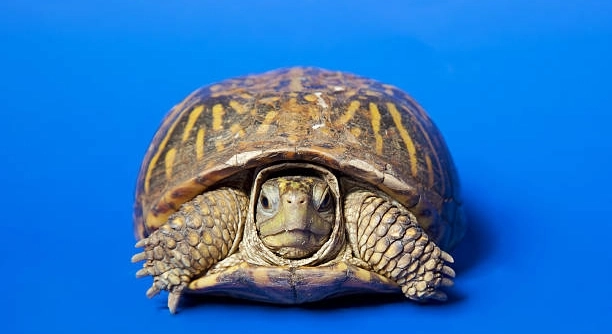
Setting up a dual-level habitat for box turtles requires careful planning and consideration. Providing the right environment ensures their health and happiness. A well-designed habitat mimics their natural surroundings, promoting their natural behaviors and comfort.
To create an optimal dual-level habitat for box turtles, it is crucial to understand their unique needs. Box turtles benefit from a setup that includes both aquatic and terrestrial areas. This dual-level design allows them to regulate their body temperature effectively and access water for hydration and soaking purposes.
Exploring the features of a dual-level habitat for box turtles unveils the keys to creating a thriving environment. Understanding these components helps ensure your turtles thrive in captivity, mirroring their natural habitat’s balance and diversity.
Choosing the Right Size for a Dual-Level Habitat
When setting up a dual-level habitat for box turtles, size matters. A larger habitat will provide your turtles with more space to roam, which is essential for their well-being. Ideally, you should aim for a habitat that offers both horizontal and vertical space. Box turtles enjoy exploring different areas, and they need room to move between the aquatic and terrestrial zones.
For one or two turtles, the minimum size of the habitat should be around 40 to 50 gallons. The more space you can provide, the better, as it allows the turtles to move freely, engage in natural behaviors, and reduces stress. It’s also important to consider how you plan to arrange both levels. Ensuring each level has adequate space for your turtles to navigate comfortably can greatly impact their happiness and health.
The size of the habitat also directly influences its overall maintenance. Larger habitats are easier to clean, as waste doesn’t accumulate as quickly. However, they will require more equipment, such as heating lamps, UVB lighting, and filtration systems. Balancing size with practicality ensures your turtles have the best living conditions while keeping maintenance manageable.
Balancing Aquatic and Terrestrial Areas
A balanced environment is essential for box turtles. They require both an aquatic area for soaking and a dry area for basking. The aquatic zone can be as simple as a shallow water dish or a small pond, while the terrestrial area should include substrate for digging and hiding.
Both areas must be easily accessible. Box turtles can be clumsy, so the transition between land and water should be smooth to avoid any accidental falls. By properly balancing both environments, you give your turtles the chance to regulate their body temperature, stay hydrated, and engage in natural behaviors like digging or swimming.
Providing Proper Lighting and Heating
Box turtles need consistent lighting to stay healthy. UVB lighting is necessary for their shell development and overall well-being. The right temperature range is also crucial for their digestion and activity levels. You’ll need to create a warm basking area, alongside a cooler zone for them to regulate body temperature.
For UVB lighting, a bulb that provides 10-12 hours of light each day is ideal. The basking area should be heated to around 85-90°F, while the cooler side can be around 70°F. Using a heat lamp or ceramic heater for warmth helps achieve the temperature gradient. Ensure the light source is not too close to prevent burns, and always give your turtles a space to escape the heat when needed.
While it’s easy to focus on temperature, don’t forget that light also affects their circadian rhythm. Consistent light cycles mimic the day and night cycle, helping box turtles feel at ease and encouraging natural behaviors. It’s important to replace UVB bulbs every 6-12 months as they lose their effectiveness over time.
Creating a Suitable Substrate for Digging
Substrate is important for your turtles’ comfort and health. Box turtles are natural diggers, and they love to burrow. A deep layer of substrate allows them to carry out these instincts and gives them a place to hide when needed. Use materials like coconut coir, organic soil, or a mix of sand and soil for the best results.
The substrate should be at least 4-6 inches deep. This allows them to dig comfortably and creates a more natural habitat. Avoid using cedar or pine shavings, as they contain oils that are toxic to box turtles. Providing a suitable substrate reduces stress and supports their natural behaviors like nesting and foraging. Make sure the substrate is also easy to clean and maintain to keep your turtles’ environment hygienic.
Having a suitable substrate also promotes humidity control. Box turtles need a humid environment to stay hydrated, so misting the substrate regularly can help maintain the necessary moisture levels. A well-kept substrate encourages digging and burrowing, which are vital to your turtle’s mental and physical health.
Providing Hiding Spots and Shelters
Hiding spots are essential for box turtles to feel secure. They need quiet places where they can retreat and rest. These hiding spots help reduce stress, especially if they feel threatened or need to sleep.
A simple log or a small cave can serve as a shelter. It’s important that these spots are easy for your turtles to access but also provide enough privacy for them to feel safe. Shelters also give them a place to escape from heat or light if they need a break. Placing hiding spots in both the terrestrial and aquatic areas ensures they have choices.
Managing Humidity Levels
Maintaining the right humidity level is vital for box turtles. They thrive in humidity levels between 60-80%. Too little humidity can lead to dehydration, while excessive moisture can create mold or respiratory issues.
Regular misting of the substrate helps maintain humidity, especially in dry environments. You can also place a shallow water dish to encourage soaking. Make sure the humidity is evenly spread throughout the habitat, including under the basking area, where the temperature may be drier. Monitoring the humidity regularly ensures a healthy environment for your turtles.
FAQ
How often should I feed my box turtle?
Box turtles typically eat every other day, but the frequency can depend on their age and activity level. Young turtles may need to be fed daily, while adults can be fed every 2-3 days. Always make sure to offer a balanced diet consisting of vegetables, fruits, and protein sources like insects. Avoid overfeeding as it can lead to health issues like obesity or shell deformities.
What should I feed my box turtle?
A box turtle’s diet should consist of about 50% vegetables, 25% fruits, and 25% protein sources. Leafy greens, like kale and collard greens, are great staples, while fruits like strawberries, blueberries, and watermelon can be occasional treats. Insects such as worms, crickets, and snails should also be part of their diet. Offer variety to ensure they receive all necessary nutrients.
Do box turtles need to be bathed?
Yes, it’s important to bathe your box turtle regularly to keep them hydrated and clean. Soak them in shallow, lukewarm water for about 20-30 minutes. This helps with hydration, especially if they don’t soak in their habitat. Bathing can also encourage them to eliminate waste, making the cleaning process easier.
Can box turtles live with other turtles?
Box turtles can live with other box turtles, but they are territorial and may become aggressive if space is limited. It’s best to keep only one male per enclosure, as males tend to be more aggressive toward each other. Ensure there is enough space and hiding spots for each turtle to feel secure. Mixing box turtles with other species of turtles is generally not recommended due to differences in care needs.
How do I know if my box turtle is healthy?
A healthy box turtle is active, alert, and has a smooth, firm shell. Their eyes should be clear, and their skin should not be excessively swollen or discolored. Look for signs of illness, such as lethargy, loss of appetite, or labored breathing. If you notice any unusual symptoms, it’s best to consult a reptile vet for advice.
What temperature should my box turtle’s habitat be?
Your box turtle’s habitat should have a temperature gradient, with a basking area heated to around 85-90°F and a cooler side ranging from 70-75°F. This allows the turtle to move between warmer and cooler zones as needed. You can use a heat lamp for basking areas, ensuring that the heat is not too intense. Monitor the temperatures using a thermometer to maintain the proper range.
How can I tell if my box turtle is stressed?
Signs of stress in box turtles include lethargy, loss of appetite, excessive hiding, or aggression toward other turtles. Stress can result from poor environmental conditions like improper temperature, humidity, or inadequate space. Changes in behavior or health should be addressed quickly to avoid further complications.
What size enclosure do box turtles need?
For one box turtle, a minimum enclosure size of 40 gallons is recommended. Larger habitats are always better, as box turtles need space to roam, forage, and exercise. If you plan to keep multiple turtles, increase the size accordingly. Keep in mind that they also need both aquatic and terrestrial zones, so proper planning of space is important.
How can I create a suitable hiding spot for my box turtle?
Hiding spots are essential for box turtles to feel secure. You can create simple hiding places by using logs, rocks, or commercially available turtle shelters. Make sure the shelters are large enough for your turtle to fully fit inside but small enough to give a sense of privacy. Place the hiding spots in both the dry and wet areas of the habitat.
Can box turtles live outdoors?
Yes, box turtles can live outdoors, but only if you live in a suitable climate. Make sure the outdoor area is secure, escape-proof, and free from predators. The enclosure should provide both shaded and sunny areas, along with access to fresh water and a space to hide. Outdoor habitats should be carefully monitored for temperature, humidity, and cleanliness to ensure your turtle’s safety and health.
How do I clean my box turtle’s habitat?
Cleaning your box turtle’s habitat involves removing any uneaten food, spot-cleaning waste daily, and changing the substrate regularly. Depending on the size of the enclosure, you may need to do a full cleaning every 2-3 weeks. This includes scrubbing the walls, changing water, and disinfecting any equipment. Make sure to use turtle-safe cleaning products, avoiding any harsh chemicals.
How long do box turtles live?
Box turtles have long lifespans, often living anywhere from 30 to 50 years in captivity, and sometimes even longer with proper care. It’s essential to commit to long-term care when keeping a box turtle as a pet, ensuring they have the appropriate environment, diet, and medical attention throughout their life.
What is the best substrate for a box turtle habitat?
A good substrate for box turtles includes a mix of soil, coconut coir, and sand. This combination allows them to dig, burrow, and feel at home. Ensure the substrate is at least 4-6 inches deep for digging. Avoid using cedar or pine shavings, as these can be harmful to turtles.
Creating a dual-level habitat for box turtles can significantly improve their quality of life. By providing both an aquatic and a terrestrial area, you allow your turtles to live in an environment that mirrors their natural habitat. This setup encourages natural behaviors like soaking, digging, and exploring. The more you mimic their wild surroundings, the healthier and happier your turtles will be. A well-thought-out habitat is key to ensuring they thrive and avoid unnecessary stress or health issues.
It’s also important to remember that each aspect of the habitat plays a specific role in your turtle’s well-being. Proper lighting and heating are necessary to maintain the right temperatures, which are vital for digestion and overall health. Regular access to fresh water, appropriate humidity levels, and a variety of substrates all contribute to making your turtles feel secure. Hiding spots are especially important, as they offer your turtles a place to retreat when they feel threatened or simply need rest. A little effort in setting up the right environment will go a long way in creating a happy, stress-free home for your box turtles.
Lastly, consistent maintenance and observation are crucial in keeping the habitat suitable over time. Regular cleaning, monitoring of temperatures and humidity, and a balanced diet will keep your box turtles healthy. It’s also important to keep an eye on their behavior and appearance, as changes can be an early sign of health issues. As long as you provide the right space, food, and care, your box turtles can live a long, fulfilling life. Setting up and maintaining their habitat is a rewarding experience, and seeing them thrive is truly satisfying.

Hello,
If you enjoy the content that we create, please consider saying a "Thank You!" by leaving a tip.
Every little bit helps us continue crafting quality advice that supports the health, happiness, and well-being of pets around the world, for pets of all shapes, sizes, and species.
We really appreciate the kindness and support that you show us!