
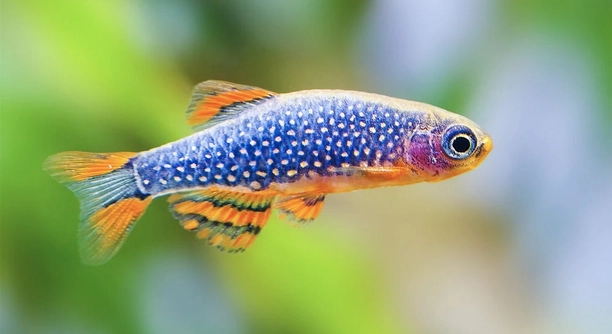
Setting up a small aquarium can feel exciting, especially when choosing colorful fish like danios. A 7-gallon tank is a manageable size for beginners, offering enough space for a small group of active fish. It can also fit nicely in most rooms.
To set up a 7-gallon tank for danios, start by placing it on a stable surface and filling it with conditioned water. Add a filter, heater if needed, substrate, and decorations. Allow the tank to cycle before introducing your fish carefully.
Knowing the right steps will make caring for your danios simpler and more enjoyable. Following proper setup practices ensures a healthy start for your aquarium.
Choosing the Right Location for Your Tank
Finding a good spot for your 7-gallon danio tank is essential. I usually place mine where it can get indirect natural light, but not in direct sunlight, which can overheat the water and cause algae growth. Stability is key, so choose a flat, sturdy surface that can hold the weight of the tank filled with water, substrate, and decorations. Avoid placing it near heating vents, air conditioners, or areas with frequent temperature changes, as danios are sensitive to sudden shifts. A quiet corner of a room can help reduce stress for the fish, giving them a calmer environment to swim and explore. Consider accessibility for maintenance, too, so you can easily reach the tank for water changes, feeding, and cleaning without moving the tank or disturbing the fish. Proper placement makes daily care much easier and keeps the tank safer for your danios overall.
Choosing a stable, accessible, and well-lit spot ensures your tank is safe and easy to maintain for daily care.
A thoughtful location affects the tank’s long-term health. Indirect light encourages plant growth without triggering excess algae. Stability prevents accidents, and consistent temperature keeps the fish comfortable. A convenient spot makes water changes and maintenance simple, which helps prevent stress in your danios. When I set up a new tank, I take time to test light levels and check nearby drafts. Small adjustments early on save a lot of trouble later. Even minor vibrations from doors or nearby activity can make fish uneasy. Giving the tank space to breathe while keeping it accessible strikes a good balance between aesthetics and practicality. Ultimately, where the tank sits contributes to a healthier, calmer, and more enjoyable environment for your fish.
Setting Up Filtration and Water Conditions
Filtration is essential for keeping the tank clean and healthy. A gentle filter works best for small danios.
A proper filter removes waste and keeps water oxygenated. Start by cycling the tank before adding fish. Test water regularly for ammonia, nitrites, and nitrates to ensure safe conditions. Adding a small heater is optional but can help maintain stable temperature. I usually add plants and decorations after cycling to give fish hiding spots and reduce stress. Substrate choice also affects water quality, so use something easy to clean. Water changes of 20–25% weekly keep the tank balanced. Remember, introducing danios too soon can harm them, so patience is necessary. Maintaining clear, stable water conditions makes the tank a safer and more comfortable home for your fish. Proper setup also prevents common issues like cloudy water and stressed fish.
Once the filtration and water are balanced, fish settle in quickly. Observing water parameters regularly ensures a healthy environment. Adding decorations and hiding spots gives danios confidence. Careful attention to these steps reduces stress and promotes active swimming, proper feeding, and natural behavior. Setting up a stable and clean environment at the start makes ongoing care much easier. By monitoring water and maintaining the filter, you create a tank where danios thrive and grow happily. Consistency is key, and small daily habits like partial water changes and testing keep the aquarium healthy. Over time, a well-maintained tank becomes a calming focal point, with fish exhibiting bright colors and lively movement. The effort invested in proper setup pays off in long-term stability and a safe, welcoming home for your danios.
Selecting Substrate and Decorations
Fine gravel or sand works best for a 7-gallon danio tank. I prefer smooth gravel because it is easy to clean and prevents injury to the fish. Avoid sharp stones that can harm delicate fins.
Adding decorations provides hiding spots and reduces stress. I usually include small plants, rocks, and driftwood to create natural spaces for danios to explore. Live plants help maintain water quality by absorbing nitrates and providing oxygen. Arrange decorations to leave open swimming areas, as danios are active swimmers. Overcrowding the tank with décor can limit movement and increase stress, so a balance between decoration and open space is important. Substrate also affects cleaning habits; fine gravel traps debris without compacting too tightly, making siphoning simpler. Choosing the right combination of substrate and décor ensures a visually pleasing tank while keeping the fish healthy and comfortable.
When I set up my tank, I always place hiding spots near corners and edges. Danios enjoy darting between rocks or plants, which reduces aggression and promotes natural behavior. Live plants not only improve water chemistry but also make the tank feel lively and calming. I make sure open areas remain for swimming, as danios need space to move actively. The right substrate and decorations create a secure environment where fish are more likely to thrive, display bright colors, and remain energetic throughout the day.
Introducing Your Danios
Add danios slowly after the tank is fully cycled. I usually start with two or three to monitor water changes before adding more.
Acclimating danios properly reduces stress and prevents shock. I float the sealed bag in the tank for 15–20 minutes, then gradually mix tank water into the bag every few minutes. This helps fish adjust to temperature and water chemistry. Introducing all fish at once can spike ammonia, so I stagger additions if needed. Watch for signs of stress, like rapid gill movement or hiding, and adjust care accordingly. Maintaining clean water and proper filtration supports healthy adaptation, letting the fish settle into their new environment comfortably and safely.
Observing your danios closely during the first week is important. I notice how they interact with each other and explore the tank. Stress signs, like clamped fins or lethargy, often indicate water issues or overcrowding. Feeding small amounts multiple times a day helps them adjust to a new diet. Keeping up with water tests and partial changes ensures their environment remains stable. Over time, they become more confident and playful, swimming actively and schooling naturally. Careful monitoring during the introduction period lays the foundation for long-term health, vibrant colors, and a lively, balanced tank ecosystem.
Feeding Your Danios
Feed small amounts two to three times daily. I usually use flake or micro-pellet food that danios can eat quickly. Avoid overfeeding, as leftover food can foul the water and harm your fish.
Supplement their diet occasionally with frozen or live foods. I like giving them daphnia or brine shrimp once or twice a week. This variety keeps them healthy and encourages natural foraging behavior. Monitoring how much they eat helps prevent waste buildup and keeps water quality stable. Feeding consistently at the same times helps the fish establish a routine and remain active.
Monitoring Water Quality
Test water weekly for ammonia, nitrites, and nitrates. I also check pH and temperature to keep conditions stable. Maintaining clean water reduces stress and prevents illness.
Regular Maintenance
Clean the substrate with a siphon during partial water changes. Removing debris prevents toxins from accumulating and keeps the tank healthy.
Observing Behavior
Watch for signs of stress or illness. Active swimming and bright colors indicate healthy danios, while lethargy or fin clamping signals a problem.
FAQ
How many danios can I keep in a 7-gallon tank?
A 7-gallon tank is best suited for a small school of danios, usually three to five. Keeping fewer fish may make them feel less active, while too many can cause overcrowding and stress. I stick to four because it gives them enough space to swim and interact naturally.
What type of water should I use for danios?
Danios thrive in freshwater with a neutral pH, around 6.5 to 7.5. I use dechlorinated tap water and monitor temperature between 68–75°F. Stable conditions prevent stress and illness. Adding water conditioners ensures chlorine and chloramine are removed. I also test water weekly to catch any changes early.
Do danios need a heater in a 7-gallon tank?
A heater is optional if room temperature stays stable. I add a small heater when temperatures drop below 68°F. Danios tolerate slight fluctuations but prefer consistent warmth. Maintaining a stable temperature encourages active swimming and proper feeding, especially during colder months.
How often should I feed my danios?
Feed two to three small portions daily. I give them enough to finish in a couple of minutes. Overfeeding leads to water pollution and potential health issues. Occasionally, I include frozen or live foods like brine shrimp for variety and extra nutrients. This keeps them lively and healthy.
How long should I cycle the tank before adding danios?
Cycling usually takes four to six weeks. I monitor ammonia, nitrites, and nitrates before introducing fish. This ensures beneficial bacteria are established to handle waste. Adding danios too early can cause stress and sickness due to toxic water conditions. Patience here makes long-term care easier.
Can I keep live plants in a 7-gallon danio tank?
Yes, live plants are helpful. I include hardy plants like java moss or anubias. They improve water quality, provide hiding spots, and reduce stress. Plants also encourage natural behavior, letting danios explore and dart through foliage safely. Occasional trimming keeps the tank tidy.
Do danios get along with other fish?
Danios are generally peaceful and do well with other small, non-aggressive species. I avoid slow-moving or long-finned fish because danios may nip fins. Good tankmates include small tetras or rasboras. Proper schooling of danios helps reduce stress and prevents them from harassing other fish.
How often should I change water in a 7-gallon tank?
I perform partial water changes of 20–25% weekly. This keeps ammonia and nitrate levels low while maintaining stability. Small, consistent changes are better than occasional large changes, which can shock the fish. Always match water temperature and pH when adding new water.
What are signs of illness in danios?
Watch for clamped fins, lethargy, white spots, or rapid gill movement. I also notice changes in appetite or swimming patterns. Early detection is important. Quarantining sick fish and checking water quality helps prevent disease spread and supports faster recovery.
Can danios live in a 7-gallon tank long-term?
Yes, with proper care, they can thrive long-term in a 7-gallon tank. I make sure to maintain water quality, provide hiding spots, and monitor their behavior. Regular maintenance and attentive feeding create a stable environment where danios remain healthy and active for years.
Is it necessary to use a filter for such a small tank?
Yes, filtration is important even in a small tank. I use a gentle filter to remove debris and keep water oxygenated. Filters reduce the buildup of harmful chemicals, making daily maintenance easier and the environment safer for danios.
How do I acclimate new danios to my tank?
Float the sealed bag in the tank for 15–20 minutes, then gradually add small amounts of tank water. I repeat this over 30–45 minutes before releasing the fish. Slow acclimation reduces stress and helps them adjust to temperature and water chemistry safely.
Can danios live alone?
Danios are schooling fish and should not live alone. I always keep at least three together. Alone, they become stressed, less active, and may show signs of depression. Grouping them properly ensures natural behavior and a lively tank environment.
What substrate is best for a 7-gallon danio tank?
Fine gravel or sand works well. I prefer smooth gravel to prevent injury and make cleaning easier. Substrate also affects plant growth and debris accumulation. Regular siphoning of the substrate helps maintain water quality and keeps the tank healthy.
How do I prevent algae in a small tank?
Control light and avoid overfeeding. I keep the tank out of direct sunlight and limit artificial lighting to 8–10 hours a day. Regular water changes and live plants help compete with algae, maintaining a clean and balanced environment.
Is it necessary to quarantine new fish before adding them?
Quarantine is highly recommended. I usually keep new fish in a separate small tank for 1–2 weeks. This prevents introducing diseases to an established tank and allows observation for any illness before adding them to the main aquarium.
How can I tell if my danios are happy?
Active swimming, bright colors, and social schooling indicate content danios. I notice playful darting between decorations and exploring the tank. When fish feed eagerly and interact with each other, it’s a good sign they feel safe and comfortable.
Are danios hardy fish for beginners?
Yes, they are resilient but still require proper care. I recommend monitoring water quality, feeding correctly, and providing space to swim. Their hardiness makes them ideal for small tanks, but neglecting basic maintenance can lead to health issues quickly.
Can I keep a heater on all year?
Yes, if the room temperature drops below their preferred range. I usually turn it on during colder months to maintain 70–75°F. Consistent warmth keeps them active and reduces stress, especially for small tanks where temperature fluctuates faster.
How long do danios typically live?
With proper care, danios live 3–5 years. I’ve seen some reach six years in well-maintained tanks. Long life depends on stable water conditions, proper diet, and minimal stress. Regular observation and maintenance contribute significantly to their longevity.
This FAQ covers the most common concerns I’ve had while keeping danios. Following these practices ensures a safe, healthy, and active tank environment. Consistency and attention to detail make caring for a 7-gallon tank simple and rewarding, letting danios thrive for years.
Setting up a 7-gallon tank for danios can be very rewarding when done carefully. Small tanks may seem simple, but attention to detail makes a big difference. Choosing the right location, maintaining water quality, and providing proper filtration are essential steps that ensure your fish remain healthy. I have found that even minor adjustments, like moving the tank slightly away from direct sunlight or checking the stability of the stand, can prevent problems later. Taking the time to plan the tank layout, select the substrate, and add decorations makes the environment comfortable for danios. It also makes maintenance easier, since a well-thought-out setup reduces stress for both the fish and the person caring for them. Over time, these small efforts help the fish stay active and display vibrant colors, which is very satisfying to see.
Proper care and attention to feeding routines are just as important as the physical setup. Danios are small but energetic fish, and they benefit from a consistent feeding schedule with a variety of foods. I usually give flake or micro-pellet food daily and supplement it with live or frozen foods a few times a week. This keeps them healthy and encourages natural behavior. Monitoring how much they eat helps avoid overfeeding, which can harm water quality. Regular water testing and partial changes are crucial to maintaining stable conditions. Even though the tank is small, stability matters more than size. Keeping the water clean and ensuring the temperature remains steady supports long-term health. I have noticed that danios in well-maintained tanks are more active, interact better with one another, and have brighter coloration. Simple, consistent care routines make a noticeable difference.
Observing the fish and paying attention to their behavior is also an important part of long-term care. Healthy danios are active, curious, and swim together in small schools. Signs of stress, such as clamped fins, lethargy, or hiding excessively, usually indicate a problem with water conditions, feeding, or overcrowding. Addressing these issues early prevents illness and creates a stable, comfortable environment. I have learned that even in a small tank, providing hiding spots and leaving enough open swimming space is essential. Maintenance, monitoring, and careful observation work together to create a healthy home. Overall, a 7-gallon tank can be a manageable and enjoyable way to keep danios if you follow the proper setup, feeding, and care routines. Over time, this combination of attention and consistency results in happy, vibrant fish and a tank that is both lively and visually appealing.

Hello,
If you enjoy the content that we create, please consider saying a "Thank You!" by leaving a tip.
Every little bit helps us continue crafting quality advice that supports the health, happiness, and well-being of pets around the world, for pets of all shapes, sizes, and species.
We really appreciate the kindness and support that you show us!