
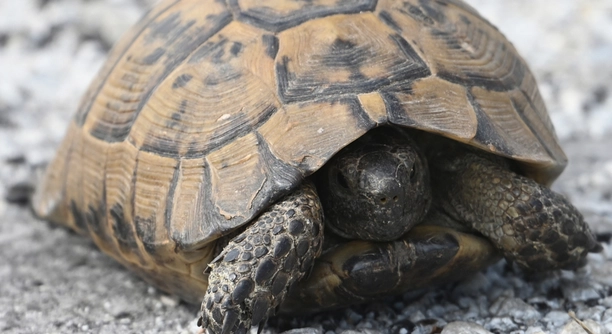
When transporting a Russian tortoise long distances, ensuring its safety and well-being is crucial. Whether you’re moving across town or to a new home, special care is needed to make the trip as stress-free as possible.
The key to safely transporting a Russian tortoise over long distances involves proper packaging, temperature control, and limiting travel time. Make sure to secure the tortoise in a well-ventilated, appropriately sized carrier, and maintain a stable temperature throughout the journey.
By following the right precautions, you can ensure that your tortoise stays safe and comfortable during its trip.
Choosing the Right Carrier for Your Russian Tortoise
When transporting a Russian tortoise, selecting the proper carrier is vital. It should be large enough to allow the tortoise to move around slightly but not too spacious, as this can cause unnecessary stress. Use a well-ventilated plastic or wooden box with a secure lid. Make sure the carrier provides enough space for a water dish and some bedding, like soft paper towels or natural substrate, to keep the tortoise comfortable.
The carrier should have adequate ventilation to prevent overheating or suffocation. Avoid using carriers that are too small or lack proper air circulation, as this can harm your tortoise during the trip. Place the carrier in a stable, upright position to avoid jostling, which can upset your tortoise.
Ensure the carrier is clean and dry before use, and don’t forget to secure the lid tightly so your tortoise cannot escape. The carrier should be positioned in a safe, cool area of your vehicle to maintain a steady temperature.
Preparing for Temperature Control
Keeping your tortoise at a comfortable temperature is one of the most important factors to consider. Ensure the temperature inside the carrier remains between 70 and 85°F. Avoid letting it get too cold or too hot.
Use heat packs or cooling pads as needed to regulate the temperature, depending on the weather. Wrap heat packs in a cloth or towel to prevent direct contact with the tortoise, and make sure to check the temperature every hour. If traveling in the heat, you may want to place cool packs in the carrier.
If you’re driving during hot weather, consider placing a thermometer inside the carrier. It will help you monitor the temperature. Be mindful of your tortoise’s tolerance to heat and cold. A safe environment is essential for a smooth, stress-free trip.
Packing Essentials for Your Tortoise’s Trip
Before you hit the road, gather all the essentials your tortoise will need. Include a small water dish, a few moist paper towels to keep the air humid, and some soft bedding to help absorb waste. These items will ensure that your tortoise stays hydrated and comfortable throughout the trip. Avoid overpacking the carrier with unnecessary items, as this can reduce the available space and cause stress.
The key is to make sure your tortoise has everything it needs, but not too much. Keep the essentials simple. Too much clutter in the carrier can disturb your tortoise’s comfort. Just focus on hydration, temperature control, and proper space. If your tortoise seems nervous or agitated, these simple preparations will make a big difference. These small steps can also ensure the trip doesn’t disrupt your tortoise’s natural behavior.
Packing only the necessities will allow your tortoise to feel secure in its environment, helping reduce the stress of long-distance transport.
Planning Breaks During the Trip
If you’re traveling by car, plan to take breaks every few hours. Let your tortoise rest for a while in a calm and safe environment. You can remove it from the carrier to check its health and hydration, but avoid taking it out too often. Constant handling can be stressful for a tortoise.
Keep your tortoise in a shaded, cool area during breaks, and monitor its behavior closely. When you stop, take a moment to check the temperature inside the carrier and adjust as needed. Make sure the water dish is still accessible and that the bedding remains clean. Frequent stops allow you to ensure everything is going well, keeping the stress of travel to a minimum. This gives your tortoise the opportunity to recover between stretches of travel.
Proper planning of breaks helps maintain a stress-free environment and ensures your tortoise’s health is prioritized.
Avoiding Stressful Situations During Travel
Minimize sudden movements or loud noises that could startle your tortoise. Keep the vehicle as quiet as possible and avoid abrupt stops or sharp turns. A calm environment helps reduce stress, which can otherwise affect your tortoise’s well-being. Keep the carrier secured and stable, preventing it from shaking too much.
Tortoises are sensitive to vibrations and movement, so it’s important to make sure the carrier is fixed in place. If you’re using a car, place the carrier in the back seat where it’s least likely to be jostled. Avoid letting the carrier slide or tip over, as this could cause injury or stress. Even small disturbances can affect your tortoise’s comfort.
Creating a quiet and stable environment is essential for keeping your tortoise calm and safe.
Managing Long Distances
For longer trips, it’s helpful to travel during cooler parts of the day, like early morning or evening, especially during hot weather. This helps maintain a more consistent temperature inside the carrier. It can also prevent overheating.
When managing long distances, take extra care in monitoring the environment within the carrier. Over the course of the trip, temperatures inside the car or transport vehicle can fluctuate, so checking periodically will ensure your tortoise’s comfort and safety. If traveling for more than a few hours, it might be helpful to use temperature monitoring tools to keep track of changes. You want to avoid both extremes of heat or cold. This attention to detail will make a big difference in keeping your tortoise safe.
Long trips require constant monitoring to make sure your tortoise remains healthy throughout.
Keeping Hydrated
Make sure your tortoise has access to fresh water during the trip. Tortoises can easily become dehydrated, especially when traveling long distances. Always check the water dish to make sure it’s not spilled or empty.
Carry extra water and a small container for refills, just in case.
FAQ
What should I do if my tortoise becomes stressed during the trip?
If your tortoise seems stressed, try to keep the carrier stable and avoid handling it too much. A calm environment is essential, so reduce loud noises or sudden movements in the car. Sometimes a dark cover over the carrier can help reduce external stimuli. If stress persists, try offering some fresh greens or a small, moist towel to help it feel more secure. Keeping the temperature in a comfortable range is also key, as extremes can heighten stress levels. Regular stops to check on its condition will also help manage any anxiety it may be experiencing.
How can I ensure the temperature inside the carrier is ideal?
Maintaining a stable temperature is crucial for your tortoise’s health. You can use a thermometer inside the carrier to monitor conditions. If the temperature is too cold, you can use a heat pack wrapped in cloth to gently warm the carrier. Conversely, if it’s too hot, cooling pads or a cooler, shaded area can help. Keep the temperature between 70°F and 85°F for optimal comfort. Avoid using direct heating sources or placing the carrier in areas that are too hot, like near car windows or vents. Always check the temperature regularly to make sure it’s stable.
Can I feed my tortoise during the trip?
It’s not necessary to feed your tortoise during short trips, as they can generally go without food for 24-48 hours. However, for longer journeys, offering some fresh vegetables or greens can be helpful to keep them hydrated and nourished. Keep food options simple and easy to digest. Be sure to also carry a small, fresh water dish to ensure your tortoise stays hydrated. Avoid feeding it heavy meals before the trip, as this could cause digestive discomfort. Only offer food if your tortoise seems settled and the environment is calm enough for it to eat.
Should I remove my tortoise from the carrier during the trip?
It’s best to avoid removing your tortoise from the carrier during the trip unless absolutely necessary. Constant handling or exposure to external environments can cause additional stress. If you must stop, consider letting your tortoise rest in the carrier while you check on its health. If you need to handle it for a quick check or to offer water, do so gently and for as little time as possible. Always keep it safe and secure, and make sure to replace it in the carrier afterward, so it can continue to rest undisturbed.
How can I prevent my tortoise from overheating?
Overheating is a common concern, especially during summer months. To prevent this, make sure the carrier is placed in a well-ventilated area of the car. Keep the temperature inside the carrier regulated, ideally between 70°F and 85°F, using heat packs, cooling pads, or the vehicle’s air conditioning if necessary. Never leave your tortoise in a parked car without proper air circulation, as temperatures can quickly become dangerous. During longer trips, stop regularly to check the temperature inside the carrier and make adjustments. Avoid traveling in extreme heat, and if needed, plan your trip during cooler hours.
What is the best way to secure the carrier in the vehicle?
The carrier should be placed in a stable area, such as the back seat, where it won’t slide or tip over. Use seat belts to secure the carrier, or place it on a non-slip mat to ensure it stays in place. If the carrier moves or tilts too much, it can cause discomfort or stress for your tortoise. Avoid placing the carrier on the floor or in any area that could be subject to sharp turns or sudden jolts. The goal is to keep the carrier stable and prevent any unnecessary movement that could harm your tortoise.
How do I know if my tortoise is comfortable during the trip?
While your tortoise cannot verbally express its comfort, you can look for signs of distress. A calm and steady breathing pattern, along with limited movement, usually indicates comfort. If your tortoise starts to pace or try to escape the carrier, it could be a sign of stress. Another indicator is if it’s not drinking water or seems lethargic. During breaks, check for any signs of dehydration or overheating, and adjust the environment if needed. If you’re unsure, it’s always best to err on the side of caution and take a break to ensure it’s doing well.
Can I use a plastic carrier for my tortoise?
Yes, a plastic carrier is suitable for transporting a Russian tortoise, as long as it provides enough ventilation and space for your tortoise to move around slightly. Choose a sturdy, secure carrier with enough height and width to avoid cramping. Make sure the lid is tight and secure, and that the carrier has ventilation holes for air circulation. Plastic carriers are easy to clean and durable for travel, but be mindful that some plastic types can retain heat, so ensure proper temperature control inside the carrier.
Final Thoughts
Transporting a Russian tortoise long distances requires careful preparation to ensure its safety and comfort. A stable and quiet environment is key to minimizing stress. Keeping the carrier secure in the vehicle, monitoring the temperature, and providing access to water can go a long way in making the trip easier for your tortoise. Avoiding excessive handling and keeping the carrier as still as possible will help your tortoise remain calm and reduce anxiety.
When traveling for longer distances, make sure you’re prepared for temperature fluctuations. A thermometer inside the carrier helps to maintain an ideal temperature range, and cooling pads or heat packs can regulate the environment. For extended trips, it’s essential to check on your tortoise regularly to ensure it is not overheating or too cold. If traveling in extreme weather, plan your journey carefully to avoid exposing your tortoise to dangerous conditions. Regular stops are important to make sure it stays hydrated and safe.
By taking the right precautions, you can ensure that your Russian tortoise arrives at its destination safe and healthy. Whether you’re taking a short trip or a long journey, the focus should always be on minimizing stress and keeping the tortoise comfortable. Remember, preparation is the key to a smooth trip. With proper care, your tortoise will travel safely, and you can enjoy peace of mind knowing you’ve done what’s best for it.

Hello,
If you enjoy the content that we create, please consider saying a "Thank You!" by leaving a tip.
Every little bit helps us continue crafting quality advice that supports the health, happiness, and well-being of pets around the world, for pets of all shapes, sizes, and species.
We really appreciate the kindness and support that you show us!