
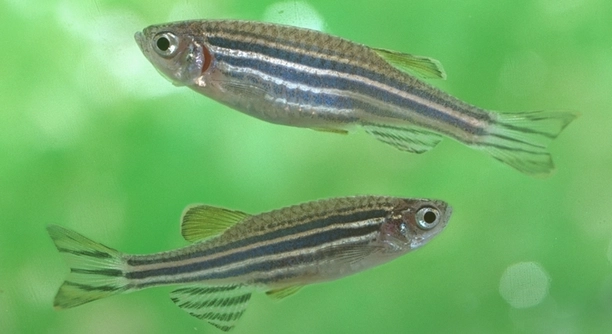
Moving zebra danios between tanks can be tricky, especially when considering their health and safety. Understanding how to properly transfer these small fish ensures their well-being and helps maintain a peaceful aquatic environment for all tank inhabitants.
The safest way to move zebra danios is by gradually acclimating them to the new water conditions. Place them in a container with water from the current tank, allowing them to adjust to the temperature and water chemistry before transferring them.
By following the correct steps, you can ensure a smooth transition for your zebra danios. These practices help reduce stress and promote their overall health in their new home.
Preparing for the Transfer
Before moving your zebra danios, make sure the new tank is ready. The water temperature, pH levels, and other water parameters should match those of the tank they are coming from. This ensures a smooth transition and prevents shock to the fish. A good practice is to prepare the new tank a day before the move, allowing the water to settle. You should also inspect the filtration system to ensure it’s working properly. A clean tank with stable conditions is crucial to minimize stress for the fish.
The right preparation will significantly reduce stress during the transfer. Set up everything in advance, and test the water to ensure consistency between tanks. This simple step can make a big difference.
It’s essential to take your time when transferring zebra danios. Rushing the process can lead to unwanted consequences. Slowly introduce the fish to the new tank and avoid overcrowding. The fish need space to adjust to their new surroundings. Handling them gently and carefully will help reduce their stress levels.
The Acclimation Process
Acclimating zebra danios is crucial for their well-being. Once the tank is ready, float the fish in a bag or container filled with water from the original tank. Let them float for about 15 to 20 minutes, allowing the temperature of the water inside to equalize with the new tank. This helps avoid any sudden temperature changes that could harm the fish. After the temperature adjustment, slowly add small amounts of water from the new tank to the bag every 5 minutes. This gradual process allows the fish to adapt to the new water chemistry.
This step ensures your zebra danios adjust comfortably. It may take some time, but it’s well worth the effort. Avoid rushing the acclimation process. A slow, steady approach will help the fish thrive in their new environment.
Using Proper Containers
When moving zebra danios, choose a container large enough to avoid overcrowding. A small fish bag or plastic container works well, as long as it can hold enough water for the fish to move comfortably. Avoid using metal containers, as they can affect the water chemistry. You also want a container that seals securely to prevent any accidental spills during transport.
Place the zebra danios in the container, and ensure they have enough water from the original tank to help with the acclimation process. Having water from the old tank helps reduce stress by maintaining familiar conditions. Keep the container covered to prevent the fish from jumping out during transit.
If you’re transporting the fish over a long distance, consider adding an aerator to the container to maintain oxygen levels. This ensures the fish remain well-oxygenated and reduces the chances of stress or suffocation. Keep the container out of direct sunlight to prevent any temperature fluctuations during transport.
Transferring the Fish
When it’s time to transfer the zebra danios into the new tank, handle them gently to minimize stress. Use a net to scoop them from the container, ensuring the net is fine enough to avoid harming their delicate fins. If you’re using a plastic bag, release the fish slowly into the tank by opening the bag gently.
Do not pour water from the container into the tank unless you are certain the water conditions match exactly. It’s better to slowly release the fish into the tank using a net or by hand. After transferring, allow them to acclimate to the new tank at their own pace. This helps ensure they feel comfortable in their new home.
Keeping the new tank clean and free from any sudden disturbances also allows the zebra danios to settle in without unnecessary stress. Avoid feeding them for the first day or two so they can focus on acclimating to their surroundings.
Observing the Fish After Transfer
After transferring zebra danios, it’s important to observe them closely for the first few hours. Look for any signs of stress, such as erratic swimming, hiding, or discolored fins. It’s normal for them to be a little skittish initially, but they should begin to settle within a few hours.
If the fish seem overly stressed or exhibit abnormal behavior, check the water quality immediately. Unstable water conditions can lead to stress and even illness. Test the temperature, pH, and ammonia levels to ensure they are within the proper range for zebra danios.
Ensuring Proper Water Conditions
Maintaining consistent water conditions is key to the long-term health of zebra danios. Monitor the water temperature regularly, as these fish prefer it to be between 72 and 78°F. Keep the pH level between 6.8 and 7.8 to ensure optimal conditions. Ammonia levels should be undetectable, as even small amounts can harm the fish.
It’s also important to keep the tank’s filtration system running smoothly. Clean the filter regularly to prevent the buildup of harmful toxins in the water. Regular water changes are vital in maintaining a stable environment for zebra danios.
Avoiding Overcrowding
Overcrowding can lead to stress and unhealthy conditions for zebra danios. When transferring fish, ensure the tank is not too full, as this can lead to aggression and territorial disputes. Each zebra danio should have at least 1 gallon of water per inch of fish.
By giving your fish enough space, you allow them to swim freely and reduce stress. Overcrowding not only affects their well-being but can also disrupt the balance of the tank’s ecosystem. Keep the number of fish within the tank’s capacity to maintain a peaceful environment.
FAQ
How long does it take zebra danios to acclimate to a new tank?
Zebra danios typically take a few hours to a day to acclimate to a new tank. The process can vary based on the water conditions and how smoothly the transfer is done. Initially, they may appear skittish, but once they adjust to the water temperature and chemistry, they will begin to swim around more comfortably. During the first few hours, it’s important to keep the tank calm and avoid making any sudden changes.
Can zebra danios survive in a tank with other fish?
Yes, zebra danios are generally peaceful and get along well with most community fish. They thrive in a peaceful environment with similar-sized fish. However, they should not be kept with aggressive species or fish that may harass them. It’s best to pair them with other non-aggressive species that have similar water needs. Make sure the other fish in the tank are not territorial or overly dominant, as this could stress the zebra danios.
Should I feed zebra danios right after moving them?
It is recommended to wait at least 24 to 48 hours before feeding zebra danios after transferring them. This gives them time to settle in and acclimate to their new surroundings. Feeding them too soon can cause stress and affect their ability to adjust. After the initial waiting period, offer a small amount of food to see if they’re eating properly. Avoid overfeeding, as excess food can pollute the tank.
How can I tell if my zebra danios are stressed after the transfer?
Signs of stress in zebra danios include rapid swimming, darting around the tank, hiding, or losing their usual coloration. If they swim near the surface of the water constantly or appear lethargic, this could also indicate stress. Additionally, they may exhibit erratic behavior or seem disoriented. It’s important to observe them carefully and ensure the water quality is within the proper range to reduce stress.
Do zebra danios need a lot of space?
Zebra danios don’t require a lot of space, but they do benefit from a tank that allows them room to swim freely. A 10-gallon tank is sufficient for a small group of zebra danios, but a larger tank will help maintain better water quality and provide more space for movement. Avoid overcrowding, as this can lead to stress and aggression. Each zebra danio needs at least 1 gallon of water per inch of fish.
What is the ideal water temperature for zebra danios?
Zebra danios prefer water temperatures between 72°F and 78°F. Consistency in temperature is key for their health. A heater should be used to maintain a steady temperature, particularly if you live in a location with fluctuating room temperatures. Temperature changes can cause stress and may make the fish more susceptible to disease.
Can zebra danios live in cold water?
Zebra danios are quite adaptable but thrive best in moderately warm water. While they can tolerate cooler temperatures, it is not ideal to keep them in cold water for extended periods. They will survive in temperatures as low as 64°F, but their health and behavior may be negatively affected. Keeping the water within the recommended range of 72°F to 78°F ensures optimal conditions for their well-being.
Is it necessary to cycle the new tank before moving zebra danios in?
Yes, it’s very important to cycle the new tank before adding zebra danios. The tank should be properly cycled to establish beneficial bacteria that break down toxic ammonia and nitrites. Adding fish to an uncycled tank can lead to poor water quality, which is harmful to zebra danios. It’s best to wait until the tank is fully cycled and the water parameters are stable before introducing any fish.
How do I maintain water quality in the tank after moving zebra danios?
To maintain good water quality, perform regular water changes of about 25% every 1-2 weeks. Monitor the levels of ammonia, nitrites, and nitrates regularly, and adjust filtration as needed. A high-quality filter is essential to keeping the water clean. Make sure to remove uneaten food promptly to prevent it from decomposing in the tank. Avoid overcrowding, as this can lead to water quality issues.
What type of food should I feed zebra danios after moving them?
Zebra danios are omnivores and can be fed a variety of foods, including high-quality flake food, pellets, and frozen or live foods like brine shrimp and daphnia. After the move, start with small portions to avoid overfeeding. Ensure the food is appropriate for their size and doesn’t pollute the water. Offer a balanced diet to maintain their health and energy levels.
How do I know if zebra danios are getting along with other fish?
Zebra danios are social fish and generally get along with peaceful tankmates. Watch for any signs of aggression, such as chasing or fin nipping. If the zebra danios are being harassed or are hiding more than usual, it may indicate that they are not getting along with the other fish. Provide plenty of hiding spaces to help reduce stress and allow the fish to establish their territory.
Can zebra danios live with shrimp or snails?
Yes, zebra danios are compatible with most species of freshwater shrimp and snails. They are peaceful and will not typically harass them. However, avoid keeping them with smaller or delicate shrimp species, as the danios may become curious and disturb them. Larger shrimp like Amano shrimp or snails can coexist with zebra danios without any issues. Always monitor interactions when introducing new species.
What should I do if zebra danios are not eating after the move?
If zebra danios aren’t eating after the move, check the water conditions first. Stress from poor water quality can cause them to lose their appetite. Ensure the water temperature, pH, and ammonia levels are stable. If the water quality is fine and they’re still not eating, give them more time to adjust to their new environment. If the problem persists, consult a veterinarian to rule out any health issues.
Final Thoughts
Moving zebra danios between tanks can be a straightforward process if done with careful planning and attention. These small, active fish are quite resilient but still require stable water conditions to thrive. When transferring them, make sure to properly acclimate them to their new tank by adjusting the water temperature and quality. This will help reduce stress and ensure that they settle in quickly. It’s important to be patient during this process, as it can take time for them to adapt to their new environment. Watching for signs of stress and monitoring their behavior will help you understand how they’re adjusting.
Another critical factor in successfully moving zebra danios is maintaining proper water conditions throughout the process. Before moving them, ensure that the new tank is fully cycled and that the water is clean and stable. Zebra danios are sensitive to changes in water quality, and even small fluctuations in temperature, pH, or ammonia levels can cause stress or illness. Regular water testing and maintenance will help keep the tank in good condition after the transfer. Avoid overcrowding, as this can lead to poor water quality and increased stress for the fish.
Lastly, be sure to observe the zebra danios for any signs of illness or stress once they are in the new tank. If they show signs of discomfort, check the water parameters immediately. Also, remember to provide them with a varied and balanced diet to keep them healthy. By giving them space, maintaining water quality, and monitoring their health, you can ensure that your zebra danios will thrive in their new home. Keeping their well-being in mind at each stage of the transfer will lead to a successful and stress-free transition.

Hello,
If you enjoy the content that we create, please consider saying a "Thank You!" by leaving a tip.
Every little bit helps us continue crafting quality advice that supports the health, happiness, and well-being of pets around the world, for pets of all shapes, sizes, and species.
We really appreciate the kindness and support that you show us!