
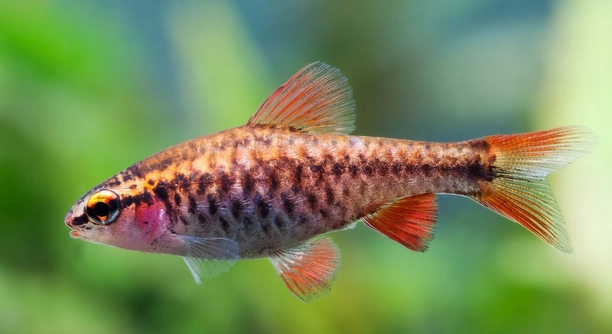
Moving cherry barbs between tanks can be a delicate process. Their small size and sensitivity to water conditions make it important to handle them carefully. Understanding how to properly transfer them ensures their safety and well-being throughout the process.
The best way to safely move cherry barbs between tanks is by using a well-maintained acclimation procedure. Start by matching water parameters, such as temperature and pH, to minimize stress. Then, gently net the fish and transfer them quickly but cautiously to the new tank.
Proper planning and gentle handling are essential for a smooth transition. The next steps will guide you through ensuring your cherry barbs move safely and adjust well in their new home.
Preparing the Tank for Cherry Barbs
Before moving your cherry barbs, the first step is to make sure the new tank is properly set up. Check the water temperature, pH, and hardness to match the environment where your cherry barbs are currently living. Use a water test kit to verify that the water parameters are within the right range. Clean the tank well before adding anything, and ensure that the filter and heater are functioning correctly. A stable environment helps your fish adjust faster. Consider adding plants or decorations to provide hiding spots, as cherry barbs appreciate places to retreat when feeling stressed.
To acclimate the fish, make sure to match the new tank’s water parameters as closely as possible. Cherry barbs are sensitive to drastic changes, so this step is crucial. Ensure the filter is running before transferring the fish. This allows you to prevent any unnecessary stress from poor water quality. If needed, perform water changes in the new tank a day or two before moving the fish.
Once the tank is prepared, it’s time to consider how to safely transfer your cherry barbs. Using the right tools and techniques can make the difference in ensuring their health during the move. Handle the fish gently and avoid using too much force when moving them.
Acclimating the Cherry Barbs
Acclimating your cherry barbs properly is vital for their health. Slowly introduce them to the new water over a period of time.
Fill a small container with water from the new tank. Place the fish inside and slowly add a little of the water from the current tank every 5 minutes. This gradual process ensures they adapt to the new environment without experiencing shock.
Patience is key when transferring cherry barbs between tanks. Once the acclimation process is complete, gently net the fish and place them in the new tank. Avoid sudden movements to minimize stress. Keep a close eye on them for the next few hours to ensure they adjust well.
Using the Right Equipment
When moving cherry barbs, using the correct equipment is essential. A soft net will help avoid injury to their delicate fins. Ensure the net is large enough to hold the fish without causing stress. A plastic bag or container can be used for transport.
Transporting the fish in a bag filled with water from the current tank is ideal. Be sure to leave some air in the bag to allow the fish to breathe. If you’re using a container, fill it with enough water from the current tank to cover the fish comfortably. Make sure the container is clean and free of any chemicals. Avoid overcrowding the bag or container to ensure the fish have space to move.
Once the cherry barbs are inside their transport container, it’s important to secure the bag or lid to prevent any escape. Keep the bag or container in a stable, temperature-controlled area during the move to avoid sudden changes in water conditions.
Monitoring the Cherry Barbs After the Move
After transferring the cherry barbs, closely monitor them for any signs of stress or illness.
Watch for unusual swimming behavior, like erratic movements or hiding excessively. Any change in their appearance, such as clamped fins or faded colors, could indicate that they are stressed. Additionally, ensure the water parameters in the new tank remain stable, as fluctuations can affect the fish’s health. If necessary, adjust the water conditions slowly.
Once you notice that the fish have started swimming normally and seem less stressed, it’s a sign that they’ve acclimated. However, continue observing them for the next few days to ensure they continue to thrive. Keep the tank well-maintained with regular water changes and monitoring of the filter.
Handling Water Changes After Transfer
After moving your cherry barbs, water changes are important to keep the environment stable. Test the water regularly to ensure it stays within safe parameters. Perform small, frequent water changes rather than large ones, as this reduces the risk of stressing the fish.
Avoid making large adjustments to water temperature or pH. Gradual changes are better for your fish’s health. Adding water conditioner can help remove harmful chemicals, especially if you’re using tap water. Be consistent with water changes and monitor the fish for any signs of discomfort, such as sluggishness or fading colors.
Feeding Cherry Barbs After Moving
Once your cherry barbs are settled, it’s essential to provide them with appropriate food. After the move, they may be less eager to eat immediately. Offer small portions of high-quality flake or pellet food.
Watch them closely to ensure they’re eating well. Keep the feeding schedule consistent, but don’t overfeed. Uneaten food can affect water quality. If your cherry barbs don’t show interest in food at first, be patient. It may take a few days for them to feel fully comfortable in their new environment.
Preventing Stress in the New Tank
Stress can have a negative impact on your cherry barbs’ health. To avoid stress, minimize any sudden changes in their environment. Keep the lights dim and avoid making any fast movements near the tank.
Adding plants or decorations can help create hiding spots, offering the fish places to retreat. Cherry barbs appreciate calm, stable environments, so avoid overcrowding the tank and ensure there is enough space for them to swim freely. Keeping the water conditions stable is the key to keeping stress levels low.
FAQ
How long does it take for cherry barbs to adjust to a new tank?
Cherry barbs usually need a few days to a week to adjust fully to a new tank. The time may vary depending on the environment and how carefully the transfer is done. If the water parameters are well-matched, the fish will settle in faster. However, be patient, as they might hide or act more cautiously during the first few days.
Can I move cherry barbs to a tank with different water parameters?
It’s best to avoid transferring cherry barbs to a tank with significantly different water parameters. Cherry barbs are sensitive to rapid changes, which can lead to stress or health issues. If you must move them, make sure to acclimate them slowly. Adjust the water parameters gradually in both tanks to make the transition smoother for the fish.
Do cherry barbs need a quarantine tank?
Yes, it’s highly recommended to use a quarantine tank before moving cherry barbs to a new aquarium. This helps prevent the spread of any diseases or parasites that might be on the fish. A quarantine tank allows you to monitor the fish closely before introducing them to the main tank.
What’s the best way to net cherry barbs?
Use a soft, fine-mesh net when netting cherry barbs. Their delicate fins can easily be damaged, so it’s important to handle them with care. Gently guide the fish into the net rather than forcing them in. If you are unsure, it’s better to use a larger net to avoid trapping them too tightly.
How often should I feed cherry barbs after moving them?
Feed your cherry barbs once or twice a day with small portions after moving them. Monitor how much they’re eating to avoid overfeeding, as excess food can degrade water quality. If they don’t eat immediately, don’t worry; it’s normal for them to adjust before becoming hungry.
Can I add other fish to the tank right after moving cherry barbs?
It’s not a good idea to add other fish immediately after moving cherry barbs. Allow them to settle in first. Introducing new fish can cause stress to the cherry barbs as they are already adjusting to their new surroundings. Wait at least a week before adding new fish to give them time to adapt.
How do I know if my cherry barbs are stressed?
Cherry barbs may show signs of stress such as faded colors, clamped fins, or erratic swimming. They might also spend excessive time hiding or staying at the bottom of the tank. If you notice any of these symptoms, check the water quality and make sure it’s stable. Stress can also cause cherry barbs to stop eating.
Is it safe to use tap water for moving cherry barbs?
Tap water can be used for moving cherry barbs, but it must be treated. Many tap waters contain chlorine or chloramine, which can harm your fish. Always use a water conditioner to neutralize harmful chemicals before adding it to the tank. Ensure the pH and hardness of the tap water match the water the fish were originally in.
How can I acclimate cherry barbs to different water temperatures?
If the water temperature in the new tank is different from the one the cherry barbs are used to, acclimate them slowly. Float the bag or container with the fish in the new tank for about 15–20 minutes to allow the temperature to equalize. Gradually add small amounts of the new water into the bag every 5 minutes. This helps the fish adjust without sudden temperature shocks.
What should I do if my cherry barbs aren’t eating after the move?
If your cherry barbs aren’t eating after the move, give them some time. Stress can cause them to lose their appetite. Ensure the water quality is optimal and that the tank conditions are stable. Offer small portions of high-quality food and avoid overfeeding, which could lead to water pollution. If they don’t start eating after a few days, consider checking for signs of illness or consulting a veterinarian.
Are cherry barbs aggressive during the move?
Cherry barbs are generally peaceful fish, and they usually won’t be aggressive during the move. However, stress from the transfer can sometimes cause them to act out. To reduce the risk of aggression, make sure the tank isn’t overcrowded, and provide hiding places to allow them to feel secure. Keep an eye on them for the first few hours after the move.
Can I move cherry barbs to a tank with other species?
Yes, cherry barbs can be moved to a tank with other species, as long as those species are peaceful and have similar water requirements. However, it’s crucial to ensure that the fish are compatible. Avoid moving them to a tank with aggressive or territorial species, as this can lead to stress and potential harm to the cherry barbs.
How do I prevent cherry barbs from jumping out of the tank?
Cherry barbs are not known to be major jumpers, but it’s still a good idea to cover the tank with a lid or mesh to prevent them from accidentally leaping out. Make sure the lid fits securely, as even a small gap can be enough for an escape.
Final Thoughts
Moving cherry barbs between tanks can be a smooth process with the right approach. Their sensitive nature means they need proper care and attention during the transfer to ensure they adjust well. The key to a successful move lies in acclimating them gradually to the new environment. Sudden changes in water conditions or temperature can cause unnecessary stress, which can affect their health. By preparing both the original and new tanks in advance, you can help the cherry barbs settle in without facing significant issues.
Equally important is maintaining stable water quality. Cherry barbs are sensitive to fluctuations in water parameters like pH, temperature, and hardness. Keeping these stable during and after the move is essential to prevent stress or health problems. Regular water testing can help identify any imbalances early on, allowing for quick adjustments. Additionally, monitoring the fish after the move will help you spot any signs of stress or illness early. Taking care of their basic needs, such as feeding and providing hiding spots, can also make the transition smoother for them.
Overall, patience and careful preparation are key factors when moving cherry barbs between tanks. Stress during the move is common, but with the right steps, you can minimize this and ensure your fish thrive in their new environment. By gradually introducing them to new water conditions, handling them carefully, and keeping their environment stable, you help your cherry barbs adjust and continue to enjoy a healthy life. With the right care, the move will not only be successful but also beneficial for the fish, giving them a new, safe space to live in.

Hello,
If you enjoy the content that we create, please consider saying a "Thank You!" by leaving a tip.
Every little bit helps us continue crafting quality advice that supports the health, happiness, and well-being of pets around the world, for pets of all shapes, sizes, and species.
We really appreciate the kindness and support that you show us!