
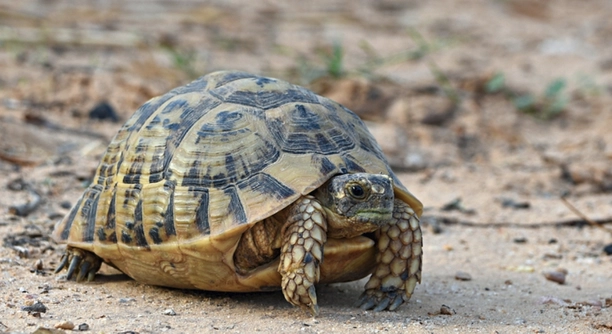
Introducing two Russian tortoises to each other can be tricky. It requires patience, observation, and a thoughtful approach to ensure their safety and well-being. Properly introducing them can help create a harmonious environment for both.
To safely introduce two Russian tortoises, it is essential to gradually acclimate them in a neutral space. Allow them to observe one another from a distance at first, and only allow direct contact when they appear comfortable and non-aggressive.
This process ensures a smooth introduction, preventing stress or territorial behavior. With careful observation and proper preparation, your tortoises will have the best chance at forming a peaceful relationship.
Understanding Russian Tortoise Behavior
Russian tortoises are territorial animals, and this can lead to tension when they are introduced to each other. Their natural instinct is to guard their space, especially when they feel threatened or unfamiliar with their surroundings. Understanding these behaviors helps to manage the introduction process.
Russian tortoises often exhibit behaviors such as head bobbing or chasing when they feel the need to establish dominance. These actions are not necessarily aggressive but are part of their natural communication. If you notice these signs, it’s important to keep them separated temporarily.
Being aware of their body language will help you intervene early if necessary. A slow and cautious introduction reduces the likelihood of stress or harm. Giving them enough space and allowing them to settle into the new environment will ease their nerves, ensuring a smoother interaction over time.
Preparing the Environment for Introduction
Creating a neutral environment is crucial for a safe introduction. Make sure the area is unfamiliar to both tortoises, eliminating the chance of territorial disputes. A clean, spacious enclosure will provide enough room for them to explore without feeling cornered.
By setting up a neutral space with hiding spots, it encourages each tortoise to retreat if they feel threatened. The more space they have to roam, the less likely they are to become aggressive. Give them time to adjust to the new setting before they interact.
Start by placing them in the space separately, allowing them to explore. After a few hours, introduce them slowly. Watch their reactions closely for signs of stress, like retreating into their shells or rapid movement. If they appear calm, you can try allowing them to interact briefly.
Recognizing Signs of Aggression
Tortoises show aggression in various ways. Understanding these signs is important for preventing harm. Keep an eye on head-bobbing, charging, or lunging, which may indicate that one tortoise is feeling threatened.
If you notice these signs during their introduction, it’s best to separate them immediately. Aggression can escalate quickly, leading to bites or injury. At this point, it’s important to assess the situation carefully, observing each tortoise’s body language. Allow some time before reintroducing them to avoid further conflict.
Allowing breaks between interactions can help both tortoises relax. They will need time to calm down and get comfortable in each other’s presence again. Patience is key to ensuring that aggression doesn’t dominate the process.
Maintaining Proper Habitat Conditions
Proper habitat conditions are crucial for a successful introduction. A spacious, clean environment with appropriate humidity, temperature, and lighting will make a big difference. Make sure both tortoises feel secure and have room to retreat if necessary.
A proper setup reduces stress and helps each tortoise acclimate to the new situation. Keep the habitat well-maintained and avoid overcrowding. It’s essential to create an area that feels like a neutral zone, with no established territories that could cause tension. This will make them more likely to focus on each other’s behavior, rather than competing for space.
Providing ample hiding places is also important. Tortoises often retreat to these spots when they feel anxious or need to get away from one another. Having enough places for each tortoise to hide ensures that they can manage their emotions during the introduction.
Introducing Tortoises Gradually
Introducing tortoises gradually is important to avoid overwhelming them. Start by placing them in the same space but far apart. Let them observe each other without direct contact.
After a few days, shorten the distance between them slowly. Gradual introductions reduce stress and allow the tortoises to get used to one another. If they show signs of aggression, separate them and try again later.
Managing Stress During the Process
Stress can prevent a successful introduction. Keep interactions short at first, allowing the tortoises to retreat if needed. Watch for signs like hiding or trying to escape.
If stress is evident, it’s best to stop and let them calm down in their separate spaces. Rushing the process can lead to long-term tension.
FAQ
How long should I wait before introducing the tortoises?
The timing of the introduction depends on how well each tortoise is adjusting to their environment. If they seem relaxed and comfortable, you can attempt the introduction after a few days of settling in. However, if either shows signs of stress, give them more time apart.
What if one tortoise seems to be bullying the other?
If one tortoise is displaying bullying behavior, such as chasing or repeatedly biting the other, it’s important to separate them immediately. This could be a sign of territorial dominance. Allow both tortoises time to calm down before trying another introduction. In some cases, keeping them in separate enclosures long-term may be necessary.
Can I house two tortoises together permanently?
While some Russian tortoises can coexist peacefully over time, others may need to be kept separately due to territorial instincts. It’s important to continuously monitor their behavior. If they get along well, sharing a large, properly set-up space might work. But always be prepared to intervene if aggression arises.
How can I tell if they’re getting along?
Signs of positive interactions include exploring together, calmly sharing space, and no signs of aggression. If they stay close but avoid fighting, they are likely getting along. It’s normal for them to have occasional disputes, but if they’re constantly aggressive, you may need to reconsider housing them together.
Do Russian tortoises need a companion?
Russian tortoises are solitary by nature, so they do not need a companion. In the wild, they tend to be territorial and prefer to live alone. While some may tolerate the presence of another tortoise, others may find it stressful. It’s often best to allow them to live independently.
What should I do if the tortoises don’t seem to get along?
If your tortoises don’t get along, try separating them for a longer period. You can reintroduce them later, but if the aggression continues, it’s safer for both to have their own space. This ensures their well-being and reduces the risk of injury.
Can I use a larger enclosure to help them get along?
A larger enclosure may provide more room to reduce territorial issues. However, size alone does not guarantee peaceful coexistence. Both tortoises need space and hiding spots, so they can retreat if they feel threatened. Even with more room, constant monitoring is necessary.
Should I feed them together during the introduction process?
Feeding tortoises together during the introduction can be risky. Food can be a trigger for competition, leading to aggression. It’s better to feed them separately to avoid conflict. Once they are more comfortable with each other, you can attempt feeding in the same area under supervision.
How can I help them feel more comfortable around each other?
Helping your tortoises feel comfortable requires patience. Gradually increasing their interactions and providing plenty of hiding spots will make them feel safer. Keep the environment calm, avoid loud noises, and give them plenty of time to adjust. Creating a peaceful space will support positive interactions.
Is it safe to introduce two tortoises of different sizes?
Introducing tortoises of different sizes can be tricky. The larger tortoise might intimidate the smaller one, leading to stress or aggression. If you plan to introduce tortoises of different sizes, make sure the smaller one has plenty of space to retreat and feel safe. Monitor their behavior carefully.
Can they live together in a backyard enclosure?
A backyard enclosure can work, but it must be secure, large, and equipped with hiding spots. Even in a larger outdoor space, Russian tortoises can become territorial, so it’s important to closely observe their interactions. Providing a quiet, shaded area for each tortoise can help reduce stress.
What should I do if one tortoise keeps hiding?
Hiding is a natural behavior, especially if one tortoise feels threatened or stressed. If one keeps hiding, it’s important to assess the situation. Ensure the environment is calm and give them time to adjust. If the hiding continues after several days, separate the tortoises for further observation.
Can I introduce them during the mating season?
Introducing tortoises during mating season can increase aggression, as both tortoises may be more territorial. It’s best to wait until the mating season is over before attempting an introduction. This allows them to meet in a less stressful time.
How can I prevent fighting during introductions?
To prevent fighting, start by making the introduction gradual. Use a neutral space and avoid forcing them to interact. Watch for signs of aggression and separate them if necessary. Gradual exposure and allowing them to retreat when needed will help minimize the risk of conflict.
Final Thoughts
Introducing two Russian tortoises to each other requires patience and careful attention. These animals are naturally territorial, and their interactions can be unpredictable. By creating a neutral, spacious environment, you can reduce the chances of aggression and give them a better opportunity to get used to each other. However, it’s important to understand that every tortoise is different, and some may never feel comfortable living with another. Observing their behavior closely will help you determine when it’s the right time to separate them or if they can coexist peacefully in the same space.
When introducing tortoises, it’s essential to remember that slow and steady progress is key. Forcing interactions or rushing the process can lead to stress and aggression. By gradually shortening the distance between them and allowing each tortoise to retreat when needed, you’re giving them the best chance to adjust without feeling overwhelmed. Keep their environment calm and secure, and offer enough space for each tortoise to feel safe. This will help them feel more comfortable and less likely to become territorial or aggressive. Regular monitoring will be necessary to ensure their well-being and to intervene if needed.
In the end, every tortoise has its own personality and needs. Some may form bonds and coexist well, while others might prefer solitude. It’s essential to be flexible and prepared to make adjustments as you learn more about their behavior. Whether they live together or apart, providing them with a stable, comfortable environment will ensure they remain healthy and happy. Be patient and willing to step back if necessary, as the goal is to create a peaceful, stress-free life for both tortoises.

Hello,
If you enjoy the content that we create, please consider saying a "Thank You!" by leaving a tip.
Every little bit helps us continue crafting quality advice that supports the health, happiness, and well-being of pets around the world, for pets of all shapes, sizes, and species.
We really appreciate the kindness and support that you show us!