
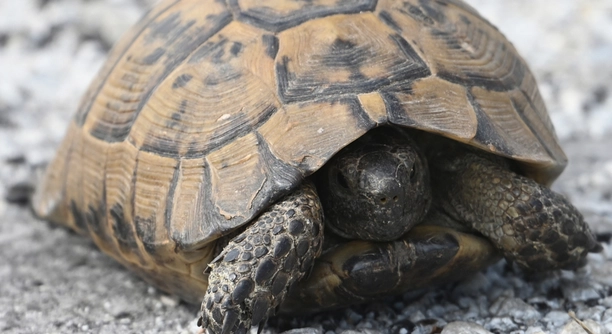
Introducing two Greek tortoises to each other can be an exciting experience, but it requires careful planning and attention to detail. Ensuring their safety and comfort is key to making the process smooth and successful.
The best approach to introducing two Greek tortoises is to follow a series of careful steps. This includes preparing their habitat, observing their behavior, and taking gradual measures to allow them to adjust to each other without stress or aggression.
By following these simple steps, you can ensure that your tortoises have a safe and positive introduction.
Prepare the Habitat Beforehand
Before introducing the tortoises, make sure their environment is ready. This includes having enough space for both of them to roam freely without feeling crowded. Consider setting up separate areas within the habitat to give them their own space, especially in the early stages. Adding hides or shelters can provide them with areas to retreat and feel secure if they need a break.
It’s also important to have the right temperature and humidity levels. Greek tortoises thrive in warm environments, so make sure you have heat lamps and proper lighting to simulate their natural habitat. Check that the habitat is clean and free of any obstacles that could cause stress or injury.
Having a well-prepared environment will ease the introduction process. It ensures that the tortoises can adjust gradually and peacefully, reducing the chances of any aggression or territorial behavior.
Monitor Their Behavior
Observe the tortoises carefully for any signs of aggression or stress once they are introduced. Sometimes, they may act defensively if they feel threatened.
If this happens, don’t panic. Give them time to adjust, and consider separating them temporarily if necessary. Patience is key to ensuring a successful introduction.
Keep Them Separated Initially
In the beginning, it’s essential to keep the tortoises in separate areas. This helps them get used to each other’s presence without direct interaction. Use barriers or different enclosures to avoid any potential conflict. Gradually allow them to spend short amounts of time in close proximity, but always supervise.
This period of separation allows them to adjust without feeling threatened. It also gives you a chance to observe their body language and any signs of stress or aggression. When they are comfortable with each other’s scent and presence, it will be easier to proceed with the introduction.
Let them spend time in proximity without direct contact. Over time, you’ll notice when they start to feel more relaxed and ready for further interaction. Always ensure that neither tortoise feels overwhelmed or cornered during this stage.
Gradually Introduce Scent and Visual Cues
Using scent and visual cues can help ease the tortoises into their introduction. Try swapping their bedding or toys, so they get used to each other’s scent. This creates a sense of familiarity and reduces any fear of the unknown.
Visually, allowing them to see each other from a distance can help them adjust to each other’s presence. This step can be done by placing their enclosures close together, allowing them to observe without direct contact. It’s important to give them the time they need to get used to seeing each other in a safe, controlled environment.
Be patient during this process. It can take a few days to a couple of weeks for them to become comfortable with each other’s presence. Avoid rushing; the more gradual the introduction, the better.
Observe Their Reactions
Once the tortoises are in the same space, closely observe how they behave. Watch for any signs of aggression, like hissing, biting, or chasing. If you notice any of these behaviors, separate them immediately and give them time to cool off.
Sometimes, they may seem a little nervous or shy, which is perfectly normal. They need time to adjust to each other’s presence. Be ready to intervene if needed, but also allow them moments to naturally figure things out. Over time, their reactions should calm as they grow accustomed to one another.
Allow Short Supervised Interactions
When they are ready for direct contact, keep their initial interactions brief and supervised. These short sessions should be monitored, ensuring they aren’t too stressed or aggressive. A controlled environment will help them feel secure.
Supervise these interactions carefully. You’ll want to observe if they show signs of curiosity or if one starts dominating the other. If either tortoise feels overwhelmed, it’s best to separate them again. The key is to let them build their confidence and trust over time, without forcing the process.
FAQ
How long does it take for Greek tortoises to get along?
The time it takes for Greek tortoises to get along varies, but it can take anywhere from a few weeks to a few months. Some tortoises adjust quickly, while others may need more time. It’s important to be patient and observe their behavior carefully. Every tortoise is different, so the introduction process can be faster or slower depending on their temperament. Be sure to monitor them during every interaction and allow them to become comfortable at their own pace. Gradual introductions are key to ensuring a peaceful coexistence.
What should I do if my tortoises show aggression toward each other?
If you notice signs of aggression like biting, hissing, or chasing, separate the tortoises immediately. Aggression may stem from territorial behavior or stress, and it’s best to give them time apart. You can reintroduce them later, following the same gradual steps outlined earlier. This will allow them to reset and approach each other with less stress. In some cases, aggression may subside over time, but if it continues, consider creating more space in the habitat or using barriers to keep them separated.
Can Greek tortoises live together in the same habitat permanently?
Yes, Greek tortoises can live together in the same habitat, but only if they have enough space and resources to avoid competition. A large enclosure with plenty of hiding spots, basking areas, and food sources will help prevent territorial disputes. It’s essential to monitor their interactions regularly to ensure there’s no ongoing aggression. As long as each tortoise has its own space to retreat to when needed, they can coexist peacefully. Keep in mind that some tortoises may still prefer solitude, so always be ready to step in if needed.
How can I make the introduction process easier for my tortoises?
Creating a comfortable and safe environment before the introduction can make the process smoother. Set up separate areas within the habitat where the tortoises can get used to each other’s scent without direct contact. Gradually reduce the distance between them and allow visual contact before they meet in person. Be patient and observe their behavior closely. Avoid rushing the process, as forcing them together too quickly can lead to stress and aggression. Providing plenty of resources and hiding spots can also help ease tension.
What signs should I look for to know if the tortoises are comfortable with each other?
When Greek tortoises are comfortable with each other, you’ll notice more relaxed behavior. They may begin to roam around together, feeding side by side or basking in close proximity without showing signs of aggression. They may also display curiosity, sniffing each other and exploring the space without fear. On the other hand, if you see one tortoise constantly avoiding the other, or if there’s persistent aggressive behavior, it’s important to intervene. Signs of comfort include a lack of hissing or chasing and calm, non-defensive body language.
Should I worry if one tortoise seems to dominate the other?
A little dominance can be normal, especially when tortoises are adjusting to each other. One may try to establish itself as the dominant individual, which can involve behaviors like chasing or nudging. However, if the dominance turns into consistent bullying or stress, it may be necessary to separate them. It’s essential to ensure that both tortoises have enough space to avoid conflict. If one tortoise constantly seems to be overwhelmed or pushed around, it may be best to create more space or reevaluate their living situation to keep things fair.
Is it necessary to have a male and female tortoise together?
While it’s not necessary to have a male and female together, many owners choose to house tortoises of the opposite sex to avoid potential aggression between same-sex individuals. However, male tortoises can sometimes be more territorial, especially during breeding season. If you do choose to house a male and female together, be prepared for potential mating behaviors. If you have two females or two males, the introduction process may be smoother, as there’s less likelihood of territorial competition. Regardless of their sex, ensure that the space is large enough for both tortoises to thrive without feeling cramped.
Can I introduce adult tortoises to younger ones?
Introducing an adult tortoise to a younger one can sometimes be more challenging. The adult may act more territorial, and the younger tortoise might be more vulnerable to bullying. It’s crucial to closely monitor their interactions and provide separate areas for each to retreat to. If the adult tortoise shows aggression toward the younger one, you may need to separate them and introduce them more slowly. If the tortoises can’t get along after multiple attempts, it may be best to house them separately.
What type of food should I offer to both tortoises?
Make sure both tortoises have access to a balanced diet with plenty of leafy greens, vegetables, and some fruits. Greek tortoises are herbivores and thrive on high-fiber food. It’s essential to offer a variety of food to ensure they receive all the nutrients they need. Both tortoises should have access to fresh water at all times. Avoid offering too many sugary foods, as these can lead to health issues. Providing food in different areas of the habitat can also help reduce competition and prevent aggression during feeding times.
Final Thoughts
Introducing two Greek tortoises to each other can take time, patience, and careful monitoring. While most tortoises can live together peacefully, it’s essential to follow the steps for a gradual introduction. This helps reduce stress and avoid potential aggression. By taking things slowly and allowing each tortoise to adjust to the presence of the other, you increase the chances of a successful cohabitation. Keep in mind that every tortoise is unique, so the process may vary depending on their personalities and prior experiences.
Ensuring your tortoises have enough space and resources is also key. A large enclosure with multiple hiding spots, basking areas, and food sources will reduce territorial disputes and make the tortoises feel more comfortable. Regular supervision during the introduction phase is important to detect any signs of aggression early on. If needed, separate them and reintroduce them later, continuing the slow approach. Creating an environment that feels safe for both tortoises helps foster a peaceful coexistence.
While the process may take time, the rewards of successfully introducing two Greek tortoises are worth the effort. With patience and the right steps, your tortoises can eventually thrive together in the same space. Pay attention to their behavior, make adjustments as needed, and allow them to establish their relationship naturally. Over time, they will likely grow accustomed to each other and enjoy a peaceful, shared environment.

Hello,
If you enjoy the content that we create, please consider saying a "Thank You!" by leaving a tip.
Every little bit helps us continue crafting quality advice that supports the health, happiness, and well-being of pets around the world, for pets of all shapes, sizes, and species.
We really appreciate the kindness and support that you show us!