
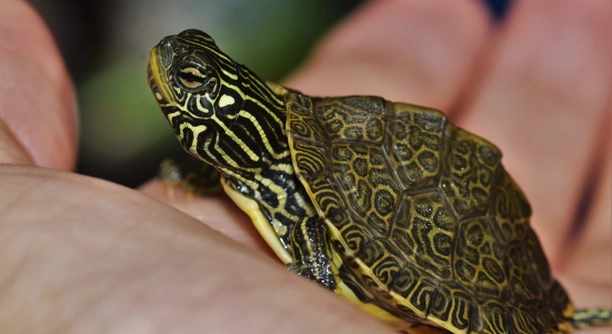
Introducing new foods to your Map Turtle is an important step in their care. A well-balanced diet is key to their health and longevity. Learning how to safely add variety to their meals can be a rewarding experience.
When introducing new foods to your Map Turtle, it’s crucial to start slowly, offering small portions and monitoring their reaction. Avoid sudden changes in diet, and always research safe food options. This ensures they receive proper nutrition without stress.
Taking the time to properly introduce new foods will not only improve their well-being but also enrich their eating habits. Continue reading to learn the best ways to expand your turtle’s diet safely.
Choosing the Right Foods for Your Map Turtle
When adding new foods to your Map Turtle’s diet, it’s essential to start with options that are safe and nutritious. Avoid feeding them any foods that are toxic to reptiles, such as lettuce or iceberg lettuce, which offers little nutritional value. Stick to foods that are high in fiber and protein, like leafy greens, vegetables, and occasional live prey. Ensure that the new food fits into their overall diet and doesn’t overwhelm them with too many unfamiliar flavors at once.
Start with small amounts of each new food to gauge their acceptance and digestion. Introducing too much variety too quickly can disrupt their system. Make sure to vary the diet slowly, allowing your turtle time to adjust.
With careful selection, adding new foods will provide your turtle with a balanced diet, keeping them healthy and engaged. Introduce one new food at a time and observe how they react over a few days. A well-rounded diet not only supports their health but also makes feeding time more enjoyable.
Monitoring Your Turtle’s Reaction
Once you begin introducing new foods, keep an eye on how your turtle responds. Watch for any signs of discomfort or refusal, such as not eating the new food or showing a lack of interest.
In addition to monitoring their eating habits, observe any changes in behavior or digestion. This will help identify any potential issues quickly. If the new food causes any negative reactions, stop offering it immediately. Keep their meals fresh and clean, avoiding any potential foodborne illnesses that could arise from spoiled food.
Common Foods to Offer Your Map Turtle
Leafy greens like collard greens and dandelion greens are excellent choices for Map Turtles. These provide a solid source of vitamins and minerals that support their overall health. You can also offer kale, mustard greens, or turnip greens as part of their diet.
Map Turtles enjoy a variety of vegetables such as carrots, squash, and zucchini. Cut them into small, manageable pieces to make it easier for your turtle to eat. Adding occasional fruits like strawberries, blueberries, and melons will offer a sweet treat, but always limit the amount due to their high sugar content. Avoid feeding them citrus fruits, which can upset their stomach.
It’s also beneficial to add protein sources like earthworms, crickets, or small fish. These will help maintain a balanced diet, especially for growing turtles that require more protein. Be sure to offer a mix of foods for variety and optimal nutrition.
The Right Way to Introduce New Foods
Introducing new foods slowly allows your Map Turtle to adjust and helps prevent digestive issues. Start by offering one new food item at a time and observe their reaction for a few days. It’s important not to overdo it at first.
Monitor their eating habits and watch for signs of refusal or discomfort. If your turtle shows little interest or refuses the food, try again later or replace it with something they like. Some turtles can be picky, and their preferences might change over time. Offering foods in small portions also reduces waste and prevents overfeeding.
Don’t be discouraged if your turtle doesn’t immediately accept a new food. Persistence is key, and with time, your Map Turtle will begin to enjoy a wider range of healthy options.
Avoid Toxic Foods for Map Turtles
Certain foods can be harmful to your Map Turtle’s health. Avoid feeding them any foods that are high in oxalates, such as spinach, which can interfere with calcium absorption. Additionally, stay away from iceberg lettuce, as it provides little nutritional value.
Other foods to avoid include avocado, which contains toxins harmful to reptiles, and garlic or onions, which can cause digestive problems. It’s also important to refrain from feeding them dairy products, as most reptiles are lactose intolerant. Always double-check if a food is safe before offering it.
Importance of a Balanced Diet
A balanced diet is essential to your Map Turtle’s health. It should include a variety of vegetables, fruits, and proteins in moderation. Too much of any one food type can cause health issues, so diversity is key. Offer different foods throughout the week, adjusting based on their preferences.
Keep track of your turtle’s weight and overall health to ensure they’re receiving adequate nutrition. If you notice any signs of weight loss, lethargy, or other health concerns, consider adjusting their diet. A well-balanced diet will help maintain energy levels and promote growth.
Hydration and Water Intake
Along with their diet, make sure your Map Turtle has constant access to clean, fresh water. This is crucial for digestion and overall health. Keep their water clean by regularly changing it and ensuring the water temperature is appropriate for them.
Water quality plays a big role in their well-being. If the water is dirty or untreated, it can lead to infections or other health problems. Consider using a water filter to maintain cleanliness, and always monitor water conditions closely to keep your turtle hydrated and healthy.
FAQ
What are the best vegetables to feed my Map Turtle?
Map Turtles thrive on leafy greens like collard greens, dandelion greens, and mustard greens. These are high in nutrients and low in oxalates. You can also offer vegetables such as carrots, zucchini, and squash, all of which are easy for turtles to digest. Avoid starchy vegetables like potatoes, as they offer little nutritional value. It’s best to rotate vegetables to provide variety and prevent any potential dietary imbalances.
Can I feed my Map Turtle fruit?
Yes, Map Turtles can eat fruit, but it should only be given occasionally. Fruits like strawberries, blueberries, and melons are safe and enjoyed by many turtles. However, fruits are high in sugar, so they should be fed in moderation. Too much fruit can lead to obesity or digestive issues. Always remove any seeds or pits from fruit to prevent choking hazards.
How much should I feed my Map Turtle?
The amount of food you feed your Map Turtle depends on its size and age. For an adult Map Turtle, a serving of vegetables should be about the size of its head, while juveniles may require slightly more. Offer food every other day for adults, and daily for juveniles. Always monitor your turtle’s weight and adjust portions as needed to prevent overfeeding or underfeeding.
Can I feed my Map Turtle protein?
Yes, protein is an essential part of your Map Turtle’s diet. Offer protein sources such as small fish, earthworms, crickets, or shrimp. You can also provide commercial turtle pellets designed to meet their protein needs. Be careful not to overfeed protein-rich foods, as excessive protein can lead to kidney problems in turtles.
Is it safe to feed my Map Turtle commercial turtle food?
Commercial turtle food can be safe as a supplement to your turtle’s diet but should not be the only food source. Look for high-quality pellets that are specifically designed for Map Turtles. These pellets typically contain a balanced mix of proteins, vitamins, and minerals. However, it’s important to feed your turtle a variety of fresh foods in addition to pellets to ensure a well-rounded diet.
Should I worry about my Map Turtle’s hydration?
Hydration is just as important as diet. Always make sure your Map Turtle has access to clean, fresh water. Keep their water bowl clean and ensure the water temperature is appropriate. If you notice your turtle is not drinking enough, try gently misting them with water or providing a shallow dish for them to soak in.
What are the signs that my Map Turtle is not eating enough?
Signs of inadequate feeding may include weight loss, lethargy, or a lack of interest in food. If your Map Turtle is consistently refusing food or shows no appetite, it could be a sign of an underlying health issue. Stress, improper water conditions, or illness can also cause a loss of appetite. If this continues for more than a few days, consult a veterinarian.
Can I feed my Map Turtle bugs I catch outside?
It’s not advisable to feed your Map Turtle bugs you catch outside, as they may carry parasites, pesticides, or other harmful chemicals. If you want to offer live insects, purchase them from a reputable pet store. Insects like crickets, mealworms, and waxworms are safe, but they should be gut-loaded (fed nutritious food) before being offered to your turtle.
How do I know if a food is safe for my Map Turtle?
Before offering any new food, it’s essential to research whether it’s safe for turtles. Avoid feeding foods that are toxic, such as avocado, onions, garlic, or citrus fruits. Stick to leafy greens, safe vegetables, and proteins. If you’re unsure, consult a turtle care guide or a veterinarian specializing in reptiles.
Can my Map Turtle eat pellets every day?
It’s not recommended to feed your Map Turtle pellets every day, as this can lead to an imbalanced diet. Pellets should be used as a supplement to their fresh food intake. A varied diet of leafy greens, vegetables, fruits, and occasional protein will keep your turtle healthier in the long run.
Final Thoughts
Taking care of a Map Turtle requires providing a balanced diet that includes a variety of foods. Leafy greens like collard and mustard greens should be a staple in their diet, along with occasional fruits and proteins. Offering a variety of vegetables such as zucchini, carrots, and squash helps keep their meals interesting and healthy. Just as with any pet, understanding what your turtle needs and catering to its preferences will ensure it stays healthy and happy.
Introducing new foods to your Map Turtle should be done gradually to avoid digestive issues. It’s important to monitor their reactions to different foods and make adjustments based on their preferences. Offering one new food at a time will allow you to track any changes in their eating habits. Over time, your turtle may develop a taste for a variety of foods, making meal planning easier. It’s important to remain patient and avoid overfeeding, as too much of certain foods can lead to health problems.
Remember that hydration is just as essential as diet. Always make sure your turtle has access to fresh, clean water. Regularly clean their water dish to maintain good hygiene and prevent potential health issues. Along with a healthy diet and hydration, make sure your Map Turtle has a suitable habitat with proper lighting and temperature. By maintaining these elements, you’ll create an environment where your turtle can thrive.

Hello,
If you enjoy the content that we create, please consider saying a "Thank You!" by leaving a tip.
Every little bit helps us continue crafting quality advice that supports the health, happiness, and well-being of pets around the world, for pets of all shapes, sizes, and species.
We really appreciate the kindness and support that you show us!