
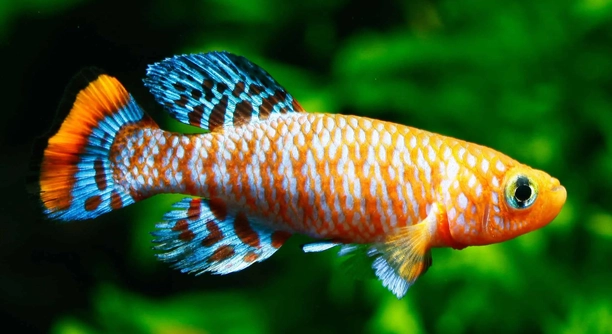
Introducing new tank mates to a killifish aquarium requires care and attention. Many hobbyists want to create a peaceful environment where their fish can thrive together. Proper introduction techniques help reduce stress and aggression among fish.
The safest way to introduce killifish tank mates involves gradual acclimation and careful species selection. Ensuring compatible temperaments, similar water requirements, and providing plenty of hiding spaces reduces conflict. Quarantine new fish and monitor behavior closely during the first days.
Following these steps will help create a harmonious tank environment and protect your fish’s health. Understanding the right methods makes the introduction smoother and more successful.
Choosing Compatible Killifish Tank Mates
Selecting the right tank mates for killifish is essential for a peaceful aquarium. Killifish tend to be small and sometimes territorial, so choosing species that share similar water parameters and temperaments is important. Avoid aggressive or much larger fish that may stress or harm them. Small peaceful species like certain tetras, rasboras, or dwarf shrimp often work well. It’s also important to consider their swimming levels—bottom dwellers and mid-level swimmers usually avoid direct competition. Before adding any fish, research their behavior and care needs thoroughly to prevent issues later. Matching temperature, pH, and hardness requirements helps keep all fish healthy and comfortable. Taking these steps increases the chances that your killifish and their new companions will live together without problems.
Proper research prevents many common problems and ensures a balanced tank environment.
Adding compatible tank mates improves the social dynamics and overall enjoyment of your aquarium.
Preparing the Tank for New Additions
Before introducing new fish, prepare the tank carefully to reduce stress. Ensure plenty of hiding spots using plants, rocks, or decorations. These provide safe spaces where fish can retreat if they feel threatened. Clean the tank and check water quality to avoid introducing diseases. It’s best to quarantine new fish separately for at least two weeks to monitor their health before mixing them with killifish. Slowly acclimate new tank mates by floating their bag in the aquarium water, then gradually mixing tank water into the bag over an hour or more. This helps them adjust to temperature and water chemistry changes, preventing shock. Introduce fish in small groups to reduce territorial behavior and keep a close eye on interactions during the first few days. Taking these precautions can save a lot of trouble later and create a peaceful, thriving aquarium.
Introducing Killifish to Their New Tank Mates
Introduce new tank mates slowly to avoid stress and aggression. Use a divider or separate tank during the first few days. This allows fish to get used to each other’s presence without direct contact, reducing the risk of fights or injury.
Once the fish seem calm, remove the divider and watch their behavior closely. Look for signs of aggression like chasing, nipping, or hiding. If aggressive behavior appears, separate the fish immediately. Keeping the environment peaceful is important for their health. Sometimes rearranging decorations helps reduce territorial disputes by breaking up established boundaries.
Patience is key during this stage. It might take several days or even weeks for fish to fully accept each other. Regular observation helps you catch any problems early and intervene if necessary. Gradual introductions support a more harmonious aquarium in the long run.
Monitoring Behavior After Introduction
Observe your killifish and their tank mates daily after they are introduced. Pay attention to feeding habits, swimming patterns, and social interactions. Any drastic changes can indicate stress or illness.
If you notice persistent aggression or a fish being bullied, consider providing additional hiding spots or rearranging the tank layout. Sometimes, adding more plants or decorations can diffuse tension by giving fish places to retreat. Keep water quality high by performing regular tests and water changes since stress weakens fish immune systems. Healthy water conditions help reduce conflicts.
If problems continue despite adjustments, it might be necessary to remove the aggressive fish or try different tank mates. Successful introductions depend on careful observation and willingness to make changes to keep all fish safe and comfortable.
Feeding Killifish with Tank Mates
Feed killifish and their tank mates separately when possible. This ensures each species gets the right nutrition and reduces competition during meal times.
Use sinking pellets or flakes suited for killifish, and offer live or frozen foods like brine shrimp. Observe feeding to confirm all fish are eating well.
Maintaining Water Quality
Regular water changes are essential to keep the tank healthy for all inhabitants. Test water parameters often to catch issues early.
Clean filters as needed but avoid removing all beneficial bacteria at once. Stable water conditions help reduce stress and support fish health.
Recognizing Stress Signs
Watch for signs like faded colors, hiding, or reduced appetite. These can indicate stress from tank mates or environment changes. Early action can prevent illness and improve well-being.
FAQ
What are the best tank mates for killifish?
The best tank mates for killifish are small, peaceful fish that share similar water needs. Species like small tetras, rasboras, and some dwarf shrimp usually work well. Avoid aggressive or large fish that could stress or harm your killifish. Always check compatibility before adding new fish.
How long should I quarantine new fish?
Quarantining new fish for at least two weeks is recommended. This period helps you spot any diseases or parasites before introducing them to your main tank. A quarantine tank also gives new fish time to recover from shipping stress and adjust to water conditions gradually.
Can killifish live with shrimp?
Yes, many killifish species can live peacefully with dwarf shrimp. Shrimp add interest and help clean the tank. However, make sure your killifish are not too aggressive or large enough to eat shrimp. Provide plenty of hiding spots for shrimp to reduce risks.
How do I prevent aggression when introducing new fish?
Prevent aggression by introducing fish slowly, using a tank divider at first. Rearrange decorations to break up territories. Add plenty of plants and hiding spaces. Observe fish closely during the first few days and be ready to separate any aggressive individuals.
What should I feed killifish with other tank mates?
Feed a varied diet including sinking pellets or flakes and live or frozen foods like brine shrimp or bloodworms. Try to feed all species separately if possible to ensure everyone gets enough food. Monitor feeding behavior to avoid competition and stress.
How do I know if my killifish are stressed?
Signs of stress include faded colors, hiding frequently, loss of appetite, or erratic swimming. Stress can come from poor water quality, incompatible tank mates, or sudden changes in the environment. Acting quickly by improving conditions helps your fish recover.
Is it necessary to rearrange the tank after introducing new fish?
Yes, rearranging the tank can help reduce territorial behavior by confusing fish and breaking up established boundaries. Moving decorations and plants helps fish feel less threatened and may prevent fights, especially during introductions.
How often should I test the water when adding new fish?
Test the water daily for the first week after introducing new fish, focusing on ammonia, nitrite, nitrate, pH, and temperature. Frequent testing ensures the environment remains stable and safe for all inhabitants. Afterward, testing can return to a regular schedule.
What temperature and pH do killifish prefer with tank mates?
Most killifish prefer temperatures between 72-78°F (22-26°C) and slightly acidic to neutral pH, around 6.0-7.0. It’s important to select tank mates that thrive within the same range to avoid stress and health problems.
Can I keep multiple killifish species together?
Keeping multiple killifish species together can work if they have similar temperaments and water requirements. However, some species can be territorial or aggressive. Provide ample space and hiding spots to reduce conflicts when mixing different killifish.
Final Thoughts
Introducing killifish to new tank mates takes patience and careful planning. Choosing compatible species is the first step to creating a peaceful aquarium. It is important to consider size, temperament, and water requirements to avoid conflicts. Small, peaceful fish and invertebrates that share similar water conditions tend to do well with killifish. Taking the time to research and select suitable tank mates can save you from many problems later on.
Preparing the tank before adding new fish is equally important. Providing plenty of hiding spots with plants and decorations helps reduce stress and aggression. Quarantining new fish for a couple of weeks ensures they are healthy and ready to join the main tank. Introducing fish gradually, using dividers if possible, allows them to get used to each other safely. Close observation during the first days is necessary to catch any signs of aggression or illness early. This careful approach creates a safer and more stable environment for everyone.
Maintaining good water quality and proper feeding routines also support a healthy community tank. Regular water changes and testing keep conditions stable, reducing stress on the fish. Feeding each species properly and monitoring their behavior helps avoid competition during mealtime. Watch for signs of stress or illness and take action when needed. By following these guidelines, you can enjoy a balanced and harmonious aquarium where your killifish and their tank mates thrive together. It takes time and care, but the results are rewarding.

Hello,
If you enjoy the content that we create, please consider saying a "Thank You!" by leaving a tip.
Every little bit helps us continue crafting quality advice that supports the health, happiness, and well-being of pets around the world, for pets of all shapes, sizes, and species.
We really appreciate the kindness and support that you show us!